
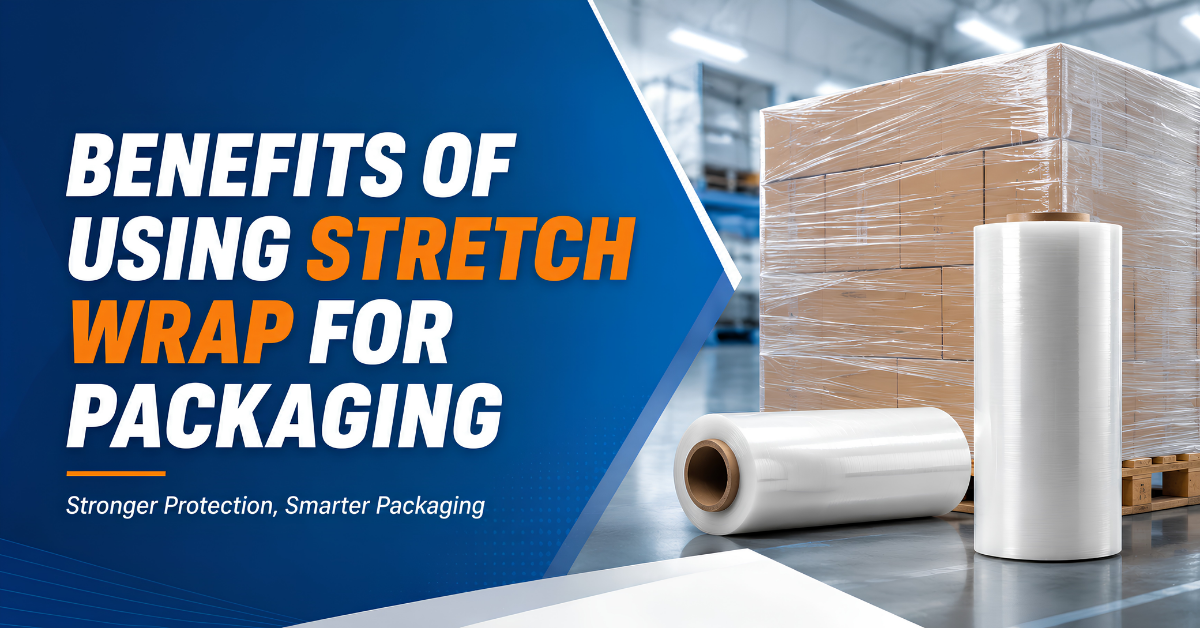
Stretch wrap is one of the simplest ways to protect, bundle, and stabilize products during storage and transport. Whether you ship palletized goods, organize warehouse inventory, or protect items from dust and handling, the right stretch wrap can make packaging faster, cleaner, and more reliable. This article explains the practical benefits, where different options such as white stretch wrap fit in, and how to get better results from every roll.
What makes stretch wrap useful for packaging?
Stretch wrap is useful because it clings tightly to products and pallets without adhesives, creating a secure layer that holds items together while protecting them from common warehouse and shipping hazards. It stretches as it is applied, then tries to return to its original shape, which creates tension around the load. That tension helps reduce shifting, improves load stability, and keeps packaging neat without adding bulky materials.
Unlike many packaging supplies that are designed for one narrow task, stretch wrap is flexible enough for many day-to-day uses. It can secure cartons on a pallet, bundle long or awkward items, protect products from light debris, and help identify or conceal shipments depending on the film type. Because stretch wrap rolls are available in different widths, thicknesses, colors, and application styles, businesses can choose a practical fit rather than relying on a one-size-fits-all approach.
Stronger load stability during handling and transit
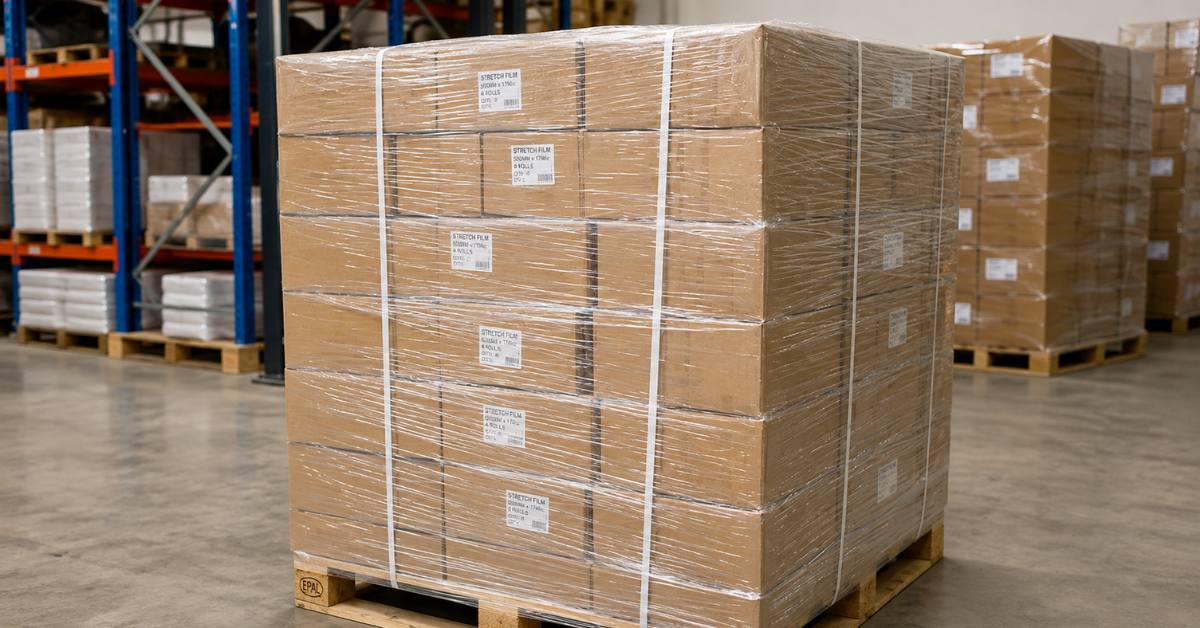
One of the biggest benefits of stretch wrap is load containment. When boxes or products are stacked on a pallet, even a small amount of movement can lead to leaning, crushing, or product damage. Stretch wrap helps keep the entire load working as one unit, which is especially important when pallets are moved by forklifts, loaded into trucks, or stored in busy warehouse aisles.
Good wrapping also supports safer handling. A properly wrapped pallet is less likely to have loose cartons, protruding edges, or unstable layers that can create problems during movement. The wrap does not replace correct stacking or good pallet quality, but it adds an important final layer of control.
For best results, the wrap should be applied with consistent tension and enough overlap between passes. The lower section of the pallet usually needs special attention because this is where the load connects to the pallet base. If the wrap only covers the products but does not properly secure them to the pallet, the load may still shift during transport.
Protection from dust, moisture, and everyday handling
Packaging does more than hold products together. It also helps preserve their condition until they reach the next destination. Stretch wrap creates a protective barrier that can reduce exposure to dust, dirt, fingerprints, light moisture, and general warehouse debris.
This is especially useful for products that may sit in storage before they are shipped or unpacked. Even when the product itself is boxed, outer cartons can collect dust, scuffs, or marks from handling. A clean layer of plastic wrap helps keep the shipment looking organized and more presentable when it arrives.
Stretch wrap is not the same as full waterproof packaging, and it should not be treated as a complete replacement for moisture-specific protection when products require it. However, for everyday warehouse and distribution environments, it offers a practical level of surface protection with very little added complexity.
 Cost-effective packaging for everyday operations
Stretch wrap is popular because it delivers a strong balance of performance, speed, and material efficiency. Compared with heavier packaging methods, it can secure large loads with a relatively small amount of material. That makes it practical for businesses that need to package products repeatedly throughout the day.
The cost benefit is not only about the price of the roll. It also comes from fewer loose items, cleaner storage, better pallet organization, and reduced rework when loads are wrapped correctly the first time. A stable pallet can move through the warehouse more smoothly, which helps teams spend less time fixing shifted cartons or replacing damaged outer packaging.
To get the most value, businesses should match the film to the application. Using too little wrap can lead to unstable loads, while using more film than necessary increases waste. The best choice is the wrap that provides enough containment with efficient coverage.
Practical ways stretch wrap improves packaging workflows
In a busy warehouse or shipping area, packaging materials need to be easy to use. Stretch wrap fits well into fast-moving operations because it can be applied manually, with a dispenser, or with wrapping equipment depending on volume and load type. Even simple hand-applied wrapping can make a noticeable difference in how quickly teams prepare pallets for storage or shipment.
Here are some practical workflow benefits:
- Faster bundling: Similar items can be grouped together without strapping, tape, or cartons.
- Cleaner staging areas: Wrapped pallets are easier to separate, label, and move without loose pieces shifting around.
- Better inventory control: Products remain grouped, which can reduce confusion during picking, staging, and loading.
- Flexible application: Stretch wrap rolls can be used for full pallets, partial pallets, odd-shaped items, or temporary protection.
- Reduced packaging clutter: Because the film clings to itself, it does not require glue, staples, or additional fasteners for many uses.
These advantages are especially helpful in operations where product sizes change often. Instead of redesigning packaging for every load, teams can use stretch wrap as an adaptable layer that supports a wide variety of shipments.
When should you use white stretch wrap?
White stretch wrap is a good option when you want the benefits of standard stretch film plus added privacy, cleaner presentation, or easier load identification. Because it is opaque, it helps conceal the contents of a pallet while still creating a tight, protective wrap. This can be useful for higher-value goods, mixed shipments, retail displays, or products that should not be easily visible during storage or transit.
White film can also support organization. In a warehouse, color can help teams quickly distinguish certain product categories, order types, departments, or shipping priorities. While labels should still carry the important shipment information, a visual cue can make pallets easier to recognize at a glance.
Presentation is another reason to consider white stretch wrap. Some businesses prefer the clean, uniform look it gives to outbound shipments, especially when pallets contain mixed cartons or packaging with varied branding. The result can look more polished than a clear wrap that shows every box underneath.
Choosing the right stretch wrap rolls
Not all stretch wrap rolls are the same, and the best choice depends on how the wrap will be used. A light, uniform load may not require the same film as a heavy or irregular pallet. Choosing carefully helps prevent both under-wrapping and over-wrapping.
Consider these factors before selecting a roll:
- Application method Hand stretch wrap is suited for lower-volume use, small packing areas, or loads that need flexible handling. Machine stretch wrap is designed for wrapping equipment and is often used when volume is higher or consistency is a priority.
- Load weight and shape Stable, evenly stacked cartons are easier to wrap than sharp-edged, irregular, or heavy loads. If products have corners or uneven surfaces, the wrap may need better puncture resistance or a stronger application pattern.
- Film width Wider rolls can cover more surface area quickly, while narrower rolls may be easier for bundling smaller items or wrapping tight spaces. The right width helps workers apply the film efficiently without struggling to control the roll.
- Clarity or opacity Clear stretch wrap makes it easy to see labels, carton markings, and product details. White stretch wrap or other opaque options can provide privacy and a more uniform appearance.
- Storage and handling conditions Think about where the pallet will sit, how many times it will be moved, and whether it will encounter dust, vibration, or frequent handling. The more demanding the environment, the more important proper film selection becomes.
Stretch wrap and plastic wrap are not always the same thing
People sometimes use the terms stretch wrap and plastic wrap interchangeably, but they are not always referring to the same product. In packaging, stretch wrap usually means a stretchable industrial film used to secure pallets, bundles, and goods. Plastic wrap can be a broader phrase that includes household cling film, food wrap, protective film, and other flexible plastic materials.
The difference matters because industrial packaging requires strength, stretch, cling, and load-holding ability. Household-style plastic wrap is not designed to stabilize a pallet or handle the demands of shipping. If the goal is to secure products for warehouse movement or transportation, it is important to use packaging-grade stretch wrap rather than a general-purpose film.
Understanding this distinction helps avoid weak packaging and wasted material. The right product should stretch smoothly, cling reliably, and maintain tension around the load without tearing too easily during normal application.
 Tips for getting better wrapping results
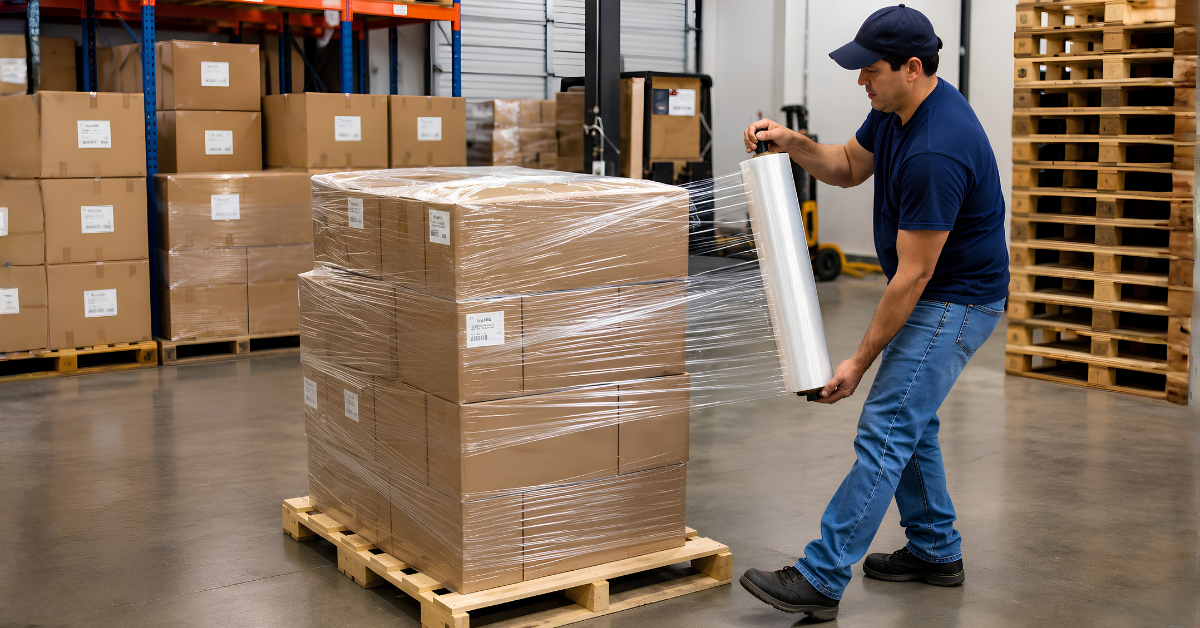
Even quality stretch wrap can perform poorly if it is applied incorrectly. A few small process improvements can make pallets more secure and reduce film waste.
Use this quick checklist during wrapping:
- Start with a stable stack. Align boxes and avoid overhanging edges before wrapping begins.
- Anchor the film properly. Secure the wrap to the pallet base or lower layer so the load and pallet stay connected.
- Keep consistent tension. Stretch the film enough to create hold, but not so much that it tears or crushes cartons.
- Overlap each pass. A steady overlap helps create even coverage and prevents weak gaps.
- Reinforce corners and the base. These areas often experience the most stress during movement.
- Cover the top when needed. If dust protection is important, make sure the upper layer is not left exposed.
- Check the finished pallet. Look for loose film, leaning stacks, torn sections, or areas that need another pass.
Training also matters. When different workers wrap pallets in different ways, results can vary from load to load. A simple internal standard for wrap pattern, tension, and number of passes can make packaging more consistent without slowing the team down.
A cleaner, more organized packaging area
Stretch wrap contributes to organization beyond the individual pallet. Wrapped goods are easier to stage, count, separate, and move. In many facilities, that can help reduce confusion between orders and keep work areas looking more controlled.
This is particularly helpful when shipments are prepared in batches. Wrapped pallets can be staged by route, customer, product line, or priority without loose cartons being moved by mistake. If color-coded options such as white stretch wrap are used thoughtfully, teams can add another layer of visual organization.
A neat packaging area also creates a better impression for visitors, drivers, employees, and customers who may see goods before they leave the facility. While appearance is not the only goal, tidy and stable loads often reflect a more careful operation.
Conclusion: a simple material with major packaging value
Stretch wrap remains a packaging essential because it solves several common problems at once. It stabilizes loads, protects products from everyday exposure, supports cleaner warehouse workflows, and adapts to many shipment types. With options such as clear film, white stretch wrap, and different stretch wrap rolls for hand or machine use, businesses can choose a setup that fits their products and process.
The best results come from pairing the right film with the right wrapping method. When teams stack carefully, apply consistent tension, and use the correct wrap for the load, this simple packaging material can make storage and shipping more secure, efficient, and professional.