
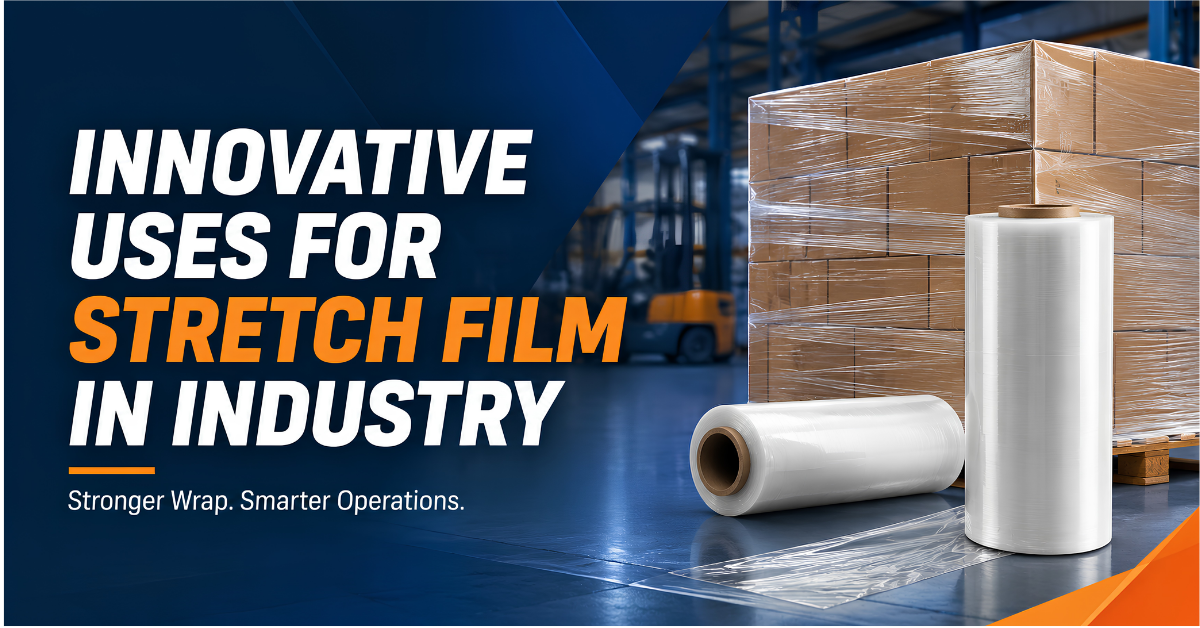
Stretch film is far more than a basic warehouse supply. Across manufacturing, logistics, construction, agriculture, retail, and maintenance operations, this flexible packaging film helps protect materials, stabilize loads, reduce handling damage, and make daily workflows more efficient. When used thoughtfully, stretch wrap becomes a practical tool for safety, cleanliness, organization, and cost control not just a way to cover a pallet.
What makes stretch film so useful in industrial settings?
Stretch film is useful because it combines flexibility, cling, containment, and surface protection in one lightweight material. Unlike rigid packaging, stretchable film conforms closely to irregular shapes, holds items together through tension, and can be applied by hand or machine depending on the job. That makes it valuable for everything from standard pallet wrap applications to temporary protection for machinery, parts, building materials, and work-in-progress inventory.
The key is understanding what the film is meant to do. In some cases, the priority is load stability during transport. In others, it is dust protection, moisture resistance, tamper evidence, bundling, or separating materials inside a busy facility. High performance stretch film can often deliver stronger containment with less material, which is especially useful when operations want dependable packaging without unnecessary waste.
Smarter pallet containment for complex loads
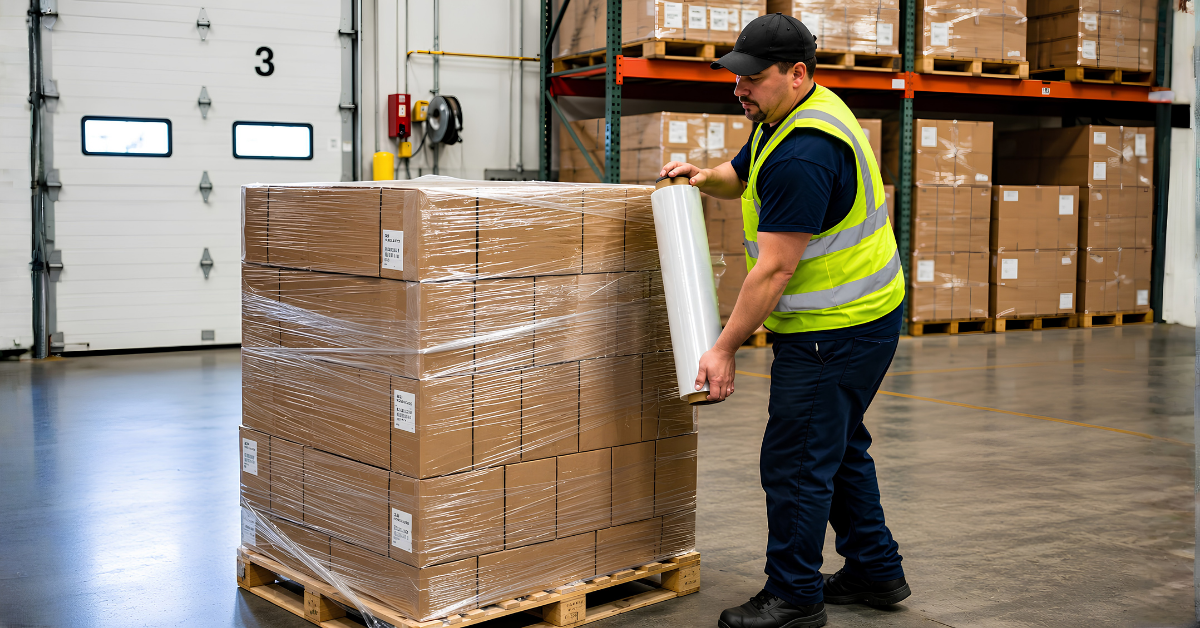
The most familiar use for stretch wrap is securing palletized goods, but industrial loads are rarely perfect cubes. They may be tall, uneven, sharp-edged, heavy, lightweight, or mixed with products of different sizes. A practical stretch packaging strategy considers the shape, weight, route, and handling method before the first layer is applied.
For example, heavy parts may need stronger containment at the base of the pallet, while lightweight cartons may need enough tension to prevent shifting without crushing the product. Loads that travel through multiple touchpoints may benefit from additional film at corners and stress points. Products stored in dusty environments may need full coverage from top to bottom.
A better pallet wrap process often includes:
- Starting with a stable pallet pattern. Stretch film can reinforce a load, but it should not compensate for poor stacking.
- Anchoring the film securely. A strong connection between the film and pallet helps prevent the load from sliding during movement.
- Applying the right tension. Too little tension reduces containment, while too much can damage cartons or deform products.
- Reinforcing high-stress zones. Corners, edges, and the lower third of the pallet often need extra attention.
- Checking consistency. A repeatable wrapping pattern helps teams reduce guesswork and avoid overuse.
This is where industrial film selection matters. A general-purpose plastic film may work for simple warehouse storage, while high performance stretch film may be better for demanding transport conditions, sharp profiles, or operations looking to reduce film usage while maintaining load integrity.
Protecting machinery, tools, and equipment
Stretch film is often used to protect finished goods, but it can also safeguard the equipment that keeps a facility running. Maintenance teams may use it as a temporary barrier for machine components, spare parts, tools, and assemblies that need protection from dust, overspray, or shop debris.
Because cling film adheres to itself without needing tape on the item, it can be wrapped around awkward shapes with minimal residue risk. This is helpful when covering motors, control panels, rollers, fabricated parts, or tooling during short-term storage or movement within a plant. It can also keep small components together so they do not get separated during maintenance work.
Common equipment-related uses include:
- Covering cleaned parts before installation
- Bundling hoses, cables, and loose accessories
- Protecting tools during transport between job sites
- Separating finished components from unfinished ones
- Shielding equipment from dust during facility work
Stretch wrap is not a replacement for engineered protective packaging when impact, corrosion, or long-term outdoor exposure is a concern. However, as a quick, flexible, and easy-to-remove layer of protection, it can make maintenance and production areas more organized and less vulnerable to everyday contamination.
Bundling long, loose, and irregular materials
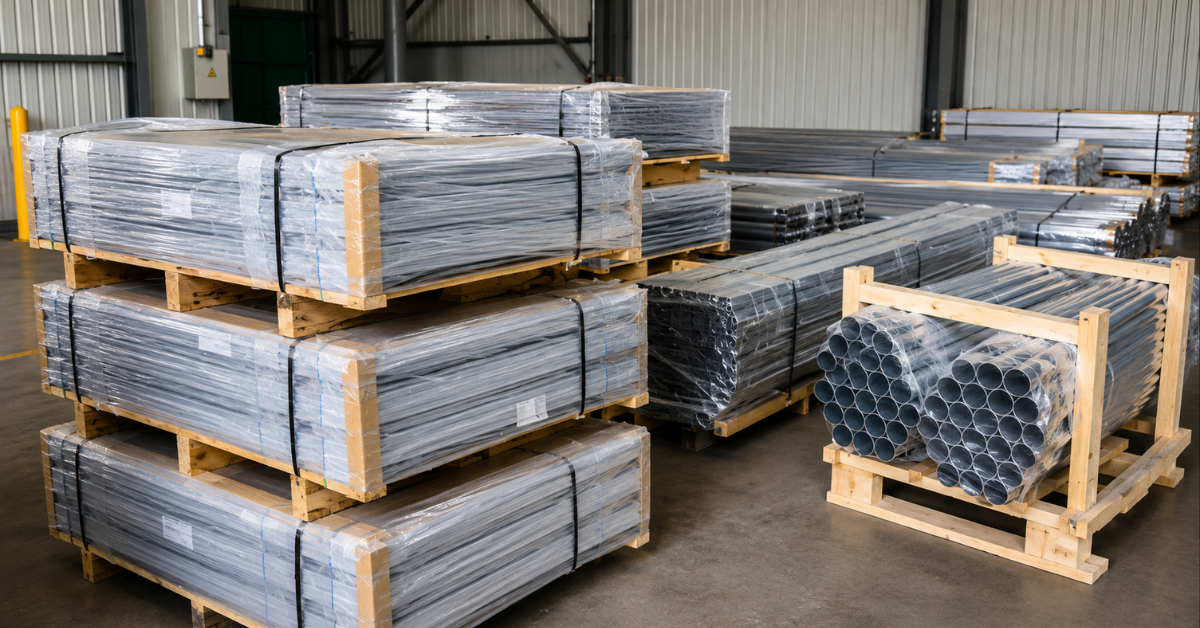
Many industrial materials are difficult to package because they are long, narrow, flexible, or inconsistently shaped. Pipe, tubing, trim, metal profiles, lumber, insulation, textiles, and rolled goods can shift or separate during handling if they are not bundled properly. Stretch film helps create manageable units without the bulk of boxes or crates.
For these applications, stretchable film works especially well because it can be wrapped at specific points rather than covering the entire product. A few bands of film may be enough to keep items aligned, while full coverage may be better when cleanliness or surface protection is important. Clear packaging film also allows workers to identify materials without opening the bundle.
Bundling with plastic film can improve:
- Handling efficiency: Workers can move grouped materials more safely and quickly.
- Inventory organization: Similar items stay together in storage or staging areas.
- Surface protection: Materials are less likely to rub against one another during movement.
- Order accuracy: Bundled components are easier to count, label, and verify.
This approach is particularly useful when materials need temporary containment before they move to fabrication, assembly, shipping, or installation.
Is stretch film only for packaging finished products?
No. Stretch film can support many stages of industrial operations, not just final packaging. It can help contain work-in-progress items, protect partially assembled products, organize components for production lines, and keep materials clean between process steps.
In manufacturing environments, unfinished items often move through multiple departments before they are ready to ship. During those transitions, products can be exposed to dust, handling marks, misplaced parts, or accidental mixing with other orders. Stretch packaging provides a simple way to keep materials grouped and identifiable while they wait for the next step.
For example, a production team might use stretch wrap to secure kits of components for assembly. A fabrication shop might wrap finished metal parts after inspection to keep them clean before delivery. A warehouse team might use colored or labeled film to separate priority orders, quarantined inventory, or items awaiting quality review.
These internal uses are not always visible to customers, but they can reduce confusion and improve flow inside the operation. The result is less time spent searching, sorting, and rechecking materials.
Temporary barriers for cleanliness and job-site control
Industrial work is messy by nature. Dust, overspray, moisture, loose debris, and foot traffic can affect products and work areas. Stretch film can serve as a temporary barrier when teams need fast coverage that is easy to apply and remove.
In construction-adjacent settings, maintenance projects, and facility upgrades, workers may use industrial film to wrap fixtures, shelving, supplies, or equipment before work begins. It can also protect staged materials from dust while nearby tasks are completed. Because the film clings to itself, it can cover surfaces and shapes that are difficult to protect with flat sheets alone.
Practical temporary barrier uses include:
- Wrapping inventory before floor grinding, painting, or repair work
- Covering open cartons or bins during shift changes
- Protecting materials staged near loading docks
- Containing loose debris on items being moved for disposal
- Separating clean and dirty tools or parts
This type of use requires common sense. Stretch film should not be used where heat, sharp moving parts, ventilation needs, or safety access make covering unsafe. But when applied appropriately, it can help teams keep work zones cleaner and more controlled.
 Improving warehouse organization and visual control
A well-organized warehouse depends on visibility. Teams need to know what is ready to ship, what is on hold, what has been inspected, and what requires special handling. Stretch wrap can support that visual system when paired with labels, tags, or color-coded processes.
Clear film keeps products visible while still holding them together. Opaque or tinted film can help identify categories, protect sensitive contents from casual viewing, or signal handling instructions. Even simple changes, such as wrapping partial pallets in a consistent way, can make warehouse aisles easier to read at a glance.
Consider using stretch film to organize:
- Partial pallets awaiting replenishment
- Returns or items needing inspection
- Customer-specific orders staged for shipping
- Seasonal inventory stored above active pick zones
- Components grouped by production batch
The benefit is not just tidiness. Better visual control can reduce unnecessary touches, prevent accidental mixing, and help supervisors spot problems before they slow down the day’s work.
Reducing damage during internal transport
Not all product damage happens on the road. Many issues occur inside the facility, during forklift movement, cart handling, staging, picking, and cross-docking. Stretch film helps reduce that risk by keeping products contained through short but repeated movements.
A load that seems stable on the warehouse floor may shift when it turns a corner, crosses a dock plate, or is placed into temporary storage. Film tension, wrap pattern, and load profile all affect how well the product stays together. For internal movement, the goal is usually to prevent shifting without making the package difficult to access later.
Teams can improve internal transport by following a simple checklist:
- Confirm that the pallet or cart is in good condition.
- Remove loose debris before wrapping.
- Keep heavy items low and centered.
- Use enough film to lock the load to the base.
- Avoid wrapping over labels that need to be scanned.
- Train workers to cut film safely during removal.
These small habits can make stretch packaging more consistent and reduce the frustration of collapsed, leaning, or mixed loads.
How does stretch wrap differ from shrink wrap?
Stretch wrap and shrink wrap are often mentioned together, but they work differently. Stretch wrap holds products through elastic tension and cling, while shrink wrap is typically applied loosely and then tightened with heat. Both can be useful, but they are not interchangeable in every industrial application.
Stretch film is commonly chosen for pallet containment, bundling, temporary protection, and applications where heat is not practical. It is fast to apply, flexible around irregular loads, and widely used in warehouses and distribution centers. Shrink wrap may be preferred when a tight, sealed presentation is needed around individual products or when a different type of enclosure is required.
For many industrial teams, the decision comes down to the product, process, and environment. If the goal is to stabilize a pallet or bundle materials quickly, stretch wrap is often the practical choice. If the goal is to create a heat-shrunk cover around a product, shrink wrap may be more appropriate.
Matching film choice to the job
The best results come from matching the film to the application rather than using one product for everything. Load weight, sharp edges, storage time, handling frequency, wrapping equipment, and visibility needs all influence the right choice. A film that performs well on light cartons may not be ideal for metal parts, and a heavy-duty option may be unnecessary for simple in-house bundling.
When reviewing options, consider:
- Film strength: Heavier or more demanding loads may need stronger containment.
- Clarity: Clear film supports scanning, inspection, and identification.
- Cling: Good cling helps layers stay in place without extra fastening.
- Puncture resistance: Irregular or sharp products require more durability.
- Application method: Hand wrapping and machine wrapping have different performance needs.
- Material efficiency: High performance stretch film may help reduce excess film while maintaining reliable containment.
It is also worth observing how film is actually used on the floor. If workers are overwrapping every load, struggling with breaks, or using extra tape to compensate, the current film or process may not fit the job.
Practical ways to get more value from stretch film
Innovative use does not always mean complicated use. Often, the biggest gains come from applying stretch film more intentionally across everyday tasks. A few process improvements can make the material more effective and easier for teams to use.
Try these practical steps:
- Map your common wrapping scenarios. Identify standard pallets, irregular loads, internal bundles, maintenance covers, and temporary storage needs.
- Create basic wrapping guidelines. Give teams clear instructions for film tension, overlap, anchoring, and reinforcement points.
- Separate film by purpose. Use the right packaging film for shipping, bundling, equipment protection, or short-term coverage.
- Review damage patterns. If certain products shift, scuff, or collapse, adjust stacking and wrapping together.
- Train for safe removal. Cutting film carelessly can damage products or create safety hazards.
- Monitor waste. Look for overwrapping, discarded partial rolls, or film used where another solution would work better.
These steps help stretch wrap become part of a controlled packaging and handling system rather than a last-minute fix.
A versatile material for modern industry
Stretch film earns its place in industry because it solves many small problems that add up quickly. It stabilizes pallet loads, protects equipment, organizes inventory, bundles awkward materials, and helps teams keep work areas cleaner and more controlled. Used correctly, it supports smoother handling from production to storage to shipment.
The most effective operations treat stretch wrap as a flexible tool, not just a roll of plastic film on the warehouse floor. By matching the film to the task and giving teams clear processes, businesses can get better protection, stronger organization, and more consistent results from a material they already rely on every day.