
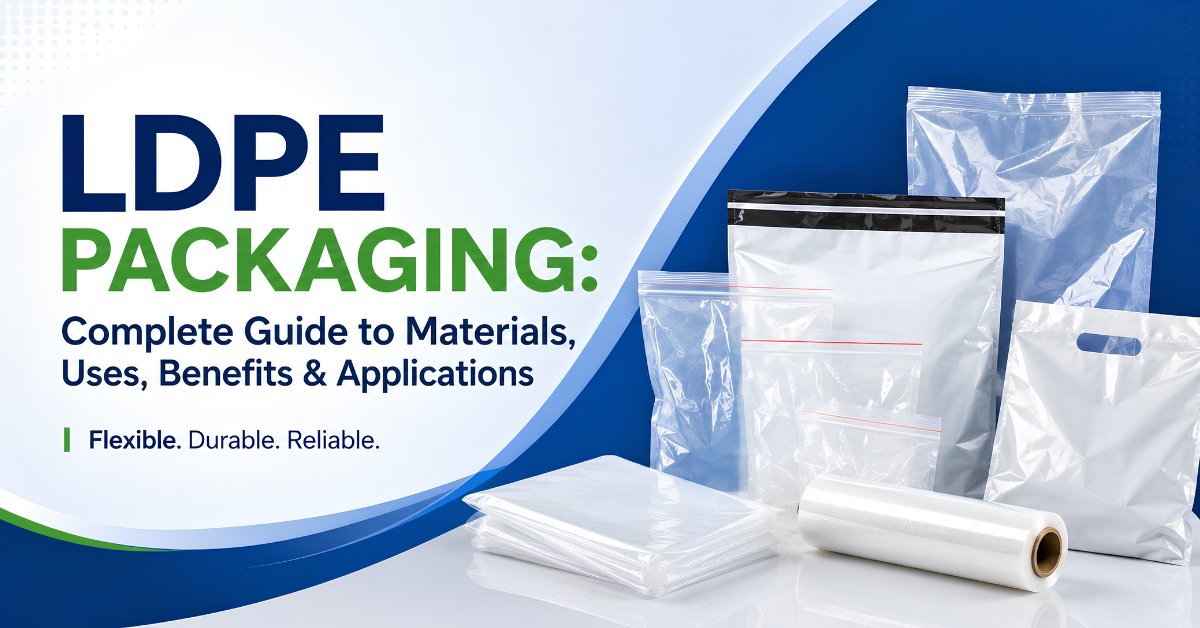
Low-Density Polyethylene (LDPE) packaging has become one of the most widely used packaging materials across industries due to its exceptional flexibility, durability, moisture resistance, and cost-effectiveness. From food packaging and retail shopping bags to industrial liners and medical packaging, LDPE plays a vital role in protecting products during storage, transportation, and display.
Unlike rigid plastics, LDPE offers excellent flexibility without compromising strength. Its ability to withstand moisture, resist many chemicals, and provide excellent sealing properties makes it suitable for thousands of packaging applications worldwide. Businesses appreciate its lightweight nature because it helps reduce shipping costs while still offering reliable protection for packaged products.
As sustainability continues to influence packaging decisions, manufacturers are also exploring recyclable and reusable LDPE packaging solutions that minimize environmental impact while maintaining performance. Modern production techniques have further improved the quality, clarity, and functionality of LDPE packaging, making it an ideal choice for industries ranging from food processing and pharmaceuticals to e-commerce, agriculture, and electronics.
Whether you’re a business owner searching for the right packaging material, a student learning about plastics, or simply interested in understanding why LDPE is so common in everyday life, this guide covers everything you need to know. You’ll learn about the material’s properties, benefits, common applications, and the reasons it remains one of the world’s most trusted packaging solutions.
What Is LDPE Packaging?
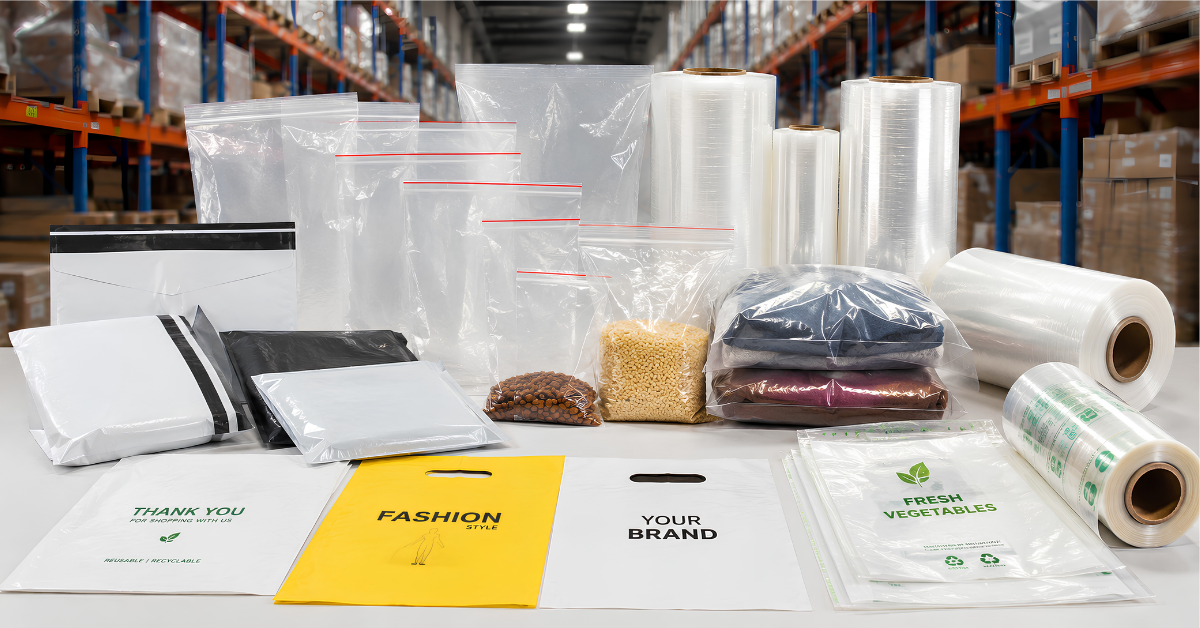
LDPE packaging refers to packaging products manufactured using Low-Density Polyethylene, a thermoplastic polymer developed through the polymerization of ethylene. Recognized for its soft texture and flexible molecular structure, LDPE has become one of the most versatile materials in the packaging industry.
The defining characteristic of LDPE lies in its branched molecular arrangement. Unlike plastics with tightly packed polymer chains, LDPE contains numerous branches that create more space between molecules. This unique structure gives the material its flexibility, stretchability, and lightweight characteristics while maintaining sufficient durability for everyday packaging applications.
Because of these properties, LDPE can be converted into films, bags, pouches, liners, wraps, and protective packaging that conform easily to products of different shapes and sizes. It also seals efficiently under heat, making it ideal for automated packaging systems used in manufacturing facilities worldwide.
Another significant advantage of LDPE packaging is its excellent moisture resistance. The material acts as an effective barrier against humidity and water, helping preserve product quality during transportation and storage. This makes it especially valuable for food products, pharmaceuticals, textiles, and electronic components that require protection from environmental exposure.
LDPE packaging is also known for its transparency, allowing consumers to view packaged products without opening the package. Retailers frequently use clear LDPE packaging because it enhances product presentation while maintaining protection against dust, dirt, and moisture.
The material’s versatility extends across industries because it can be produced in different thicknesses, colors, finishes, and printing options. Manufacturers can customize LDPE packaging to suit branding requirements while maintaining functionality for specific applications.
Today, millions of businesses worldwide rely on LDPE packaging because it combines affordability, performance, and manufacturing efficiency in ways that few packaging materials can match.
Understanding the Structure of LDPE
One reason LDPE has remained popular for decades is its unique molecular structure.
During manufacturing, ethylene molecules are polymerized under high pressure, creating polymer chains with numerous side branches. These branches prevent the molecules from packing tightly together, resulting in lower density compared to materials like High-Density Polyethylene (HDPE).
This lower density contributes directly to several desirable characteristics:
- Exceptional flexibility
- Smooth and soft surface
- High impact resistance
- Excellent elongation before breaking
- Good transparency
- Lightweight construction
Instead of cracking under pressure, LDPE tends to stretch, making it highly suitable for packaging products that require flexibility during transportation or handling.
This combination of physical properties allows manufacturers to produce everything from thin shopping bags to heavy-duty industrial packaging films using the same base material with different formulations.
Key Properties of LDPE Packaging Material
Understanding the physical and chemical properties of LDPE helps explain why it has become one of the most widely used packaging materials globally. Rather than excelling in only one area, LDPE offers a balanced combination of flexibility, strength, chemical resistance, and processability that suits a broad range of packaging requirements.
The following table summarizes its most important characteristics.
| Property | Description | Packaging Benefit |
|---|---|---|
| Flexibility | Excellent | Adapts to products of different shapes |
| Lightweight | Very High | Reduces shipping costs |
| Moisture Resistance | Excellent | Protects against humidity and water |
| Transparency | High | Improves product visibility |
| Heat Sealability | Excellent | Creates secure package seals |
| Chemical Resistance | Good | Suitable for many industrial applications |
| Impact Resistance | High | Reduces tearing and punctures |
| Food Contact Suitability | Yes (when manufactured to applicable standards) | Widely used for food packaging |
| Recyclability | Yes (Plastic Identification Code #4) | Supports recycling programs where facilities exist |
These characteristics allow LDPE packaging to perform consistently across industries with very different packaging requirements.
Flexibility That Protects Products
One of LDPE’s greatest strengths is its flexibility. Instead of being rigid, the material bends and stretches without easily cracking or tearing. This flexibility allows packaging to absorb impacts during transportation, reducing the likelihood of product damage.
For example, courier packages often experience compression, vibration, and movement throughout the shipping process. Flexible packaging materials like LDPE help cushion products while maintaining package integrity.
Moisture Resistance
Moisture is one of the leading causes of product deterioration. Whether packaging food, textiles, pharmaceuticals, or industrial components, preventing water exposure is essential.
LDPE naturally resists moisture penetration, helping protect products from humidity during storage and transportation. This property also makes it useful for freezer packaging, agricultural applications, and protective liners where water resistance is important.
Excellent Transparency
Many retail businesses prefer transparent packaging because customers can inspect products before purchasing.
LDPE provides excellent clarity compared with many other flexible plastics. Transparent packaging improves consumer confidence while allowing retailers to showcase products attractively without sacrificing protection.
Heat Sealability
Modern packaging lines depend on reliable sealing performance.
LDPE melts and seals efficiently under controlled temperatures, allowing manufacturers to create airtight packages quickly and consistently. Strong seals reduce leakage, contamination, and accidental package opening throughout the supply chain.
Why Is LDPE Widely Used for Packaging?
Packaging materials are selected based on much more than cost alone. Businesses must balance product protection, transportation efficiency, manufacturing speed, branding opportunities, sustainability goals, and customer experience. LDPE performs well across all of these areas, which explains why it remains one of the most widely used packaging materials worldwide.
One of its biggest advantages is versatility. The same material can be transformed into lightweight shopping bags, protective industrial liners, food packaging films, courier mailers, medical specimen bags, and numerous other packaging formats. This versatility allows manufacturers to standardize materials while producing a diverse range of packaging products.
Another major reason for LDPE’s popularity is its excellent printability. High-quality graphics, logos, product information, and branding elements can be printed directly onto LDPE films using modern printing technologies. Businesses benefit from packaging that not only protects products but also strengthens brand recognition on retail shelves and during shipping.
The material’s lightweight nature also contributes to lower logistics costs. Even small reductions in packaging weight can lead to significant savings for companies shipping thousands of products each day. Despite being lightweight, LDPE still provides dependable protection against moisture, dust, and routine handling.
From a manufacturing perspective, LDPE is highly efficient to process. It can be extruded into films of varying thicknesses, formed into different bag styles, laminated with other materials when additional barrier properties are required, and customized with features such as resealable closures, perforations, handles, or vent holes. This manufacturing flexibility enables businesses to tailor packaging solutions to specific product requirements without changing the underlying material.
Another reason businesses continue to choose LDPE is its adaptability across industries. Food manufacturers value its hygienic properties and moisture resistance, retailers appreciate its clarity and presentation, logistics companies benefit from its lightweight construction, and industrial users rely on its toughness for protective packaging.
Finally, LDPE supports evolving sustainability initiatives. While plastic waste remains an important environmental challenge, LDPE is recyclable in many regions through appropriate collection systems. Advances in recycling technology and increased use of recycled content are helping improve the environmental profile of LDPE packaging, making it a practical option for companies working toward more responsible packaging practices.
Types of LDPE Packaging
One of the biggest advantages of LDPE packaging is its versatility. Unlike many packaging materials that are designed for a single purpose, LDPE can be manufactured into various packaging formats to meet the needs of different industries. By adjusting film thickness, transparency, printing, sealing methods, and bag construction, manufacturers can create packaging solutions for products ranging from fresh food to industrial components.
Each type of LDPE packaging is designed with a specific application in mind. Some prioritize product visibility, while others focus on moisture protection, tamper resistance, or convenient transportation. Understanding these different packaging formats helps businesses select the most appropriate solution based on the product they are packaging.
LDPE Bags
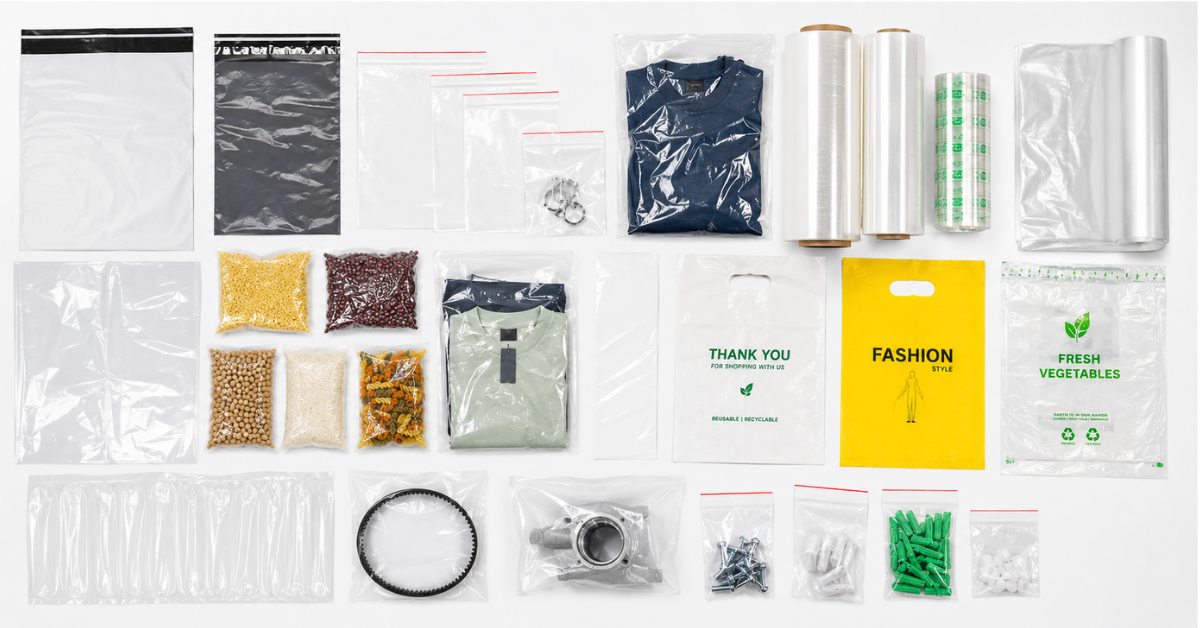
Among all flexible packaging solutions, LDPE Bags remain one of the most widely used packaging products because they combine flexibility, durability, and cost-effectiveness. Their soft texture allows them to easily conform to products of different shapes without tearing under normal handling conditions.
LDPE bags are commonly used for packaging garments, food items, pharmaceuticals, industrial components, retail products, and shipping materials. Their excellent moisture resistance helps protect products from humidity and dust during storage and transportation, while their transparency allows easy identification of packaged contents.
Businesses also appreciate the customization options available with LDPE bags. They can be manufactured in various sizes, thicknesses, colors, and printing styles to meet branding and operational requirements.
Packaging Films
LDPE packaging films are widely used across manufacturing and logistics industries because they provide excellent flexibility while creating a protective barrier around products. These films can be produced in different thicknesses depending on the required strength and application.
Stretch films, shrink films, protective wrapping films, and agricultural films are all common examples of LDPE packaging films. Their ability to stretch without breaking allows products to remain securely wrapped during transportation, reducing movement and minimizing damage.
Many manufacturers also use LDPE films as protective layers during storage to prevent dust accumulation, surface scratches, and moisture exposure.
Poly Mailer Bags
The rapid growth of e-commerce has significantly increased demand for lightweight shipping solutions, making poly mailer bags one of the fastest-growing applications of LDPE packaging.
These mailers provide sufficient protection for clothing, documents, accessories, and other lightweight products while reducing shipping weight compared to cardboard boxes. Many businesses also customize poly mailers with company logos and branding to create a professional unboxing experience.
Modern mailer bags often include tamper-evident closures, waterproof construction, and strong adhesive seals that help protect products throughout the delivery process.
Resealable Packaging
Convenience has become an important factor in modern packaging design. Resealable LDPE packaging allows consumers to repeatedly open and close packages without transferring products into another container.
Grip seal bags are commonly used for food products, hardware, medical supplies, office materials, and small retail items because they help maintain product freshness while improving storage convenience.
The ability to reseal packaging also reduces product waste and enhances user experience, particularly for products that are consumed gradually.
Protective Industrial Packaging
Many industrial products require packaging that protects against dust, moisture, scratches, and contamination rather than simply containing the product.
LDPE protective packaging includes industrial liners, machine covers, equipment protection films, pallet covers, and heavy-duty bags designed to withstand challenging storage and transportation conditions.
These packaging products help reduce product damage while maintaining cleanliness throughout the supply chain.
Common Applications of LDPE Packaging
The widespread adoption of LDPE packaging is largely due to its ability to meet the packaging requirements of numerous industries. Its flexibility, moisture resistance, lightweight construction, and cost-effectiveness make it suitable for both consumer and industrial applications.
Instead of being limited to a single market, LDPE packaging has become a universal packaging material that supports manufacturing, retail, logistics, healthcare, and agriculture.
Food Packaging
Food packaging represents one of the largest applications of LDPE materials.
Fresh bakery products, frozen foods, vegetables, fruits, dairy products, snacks, and dry food items frequently rely on LDPE packaging because it helps reduce moisture loss while protecting products from external contaminants.
The material’s flexibility allows it to conform closely around food products without affecting appearance, making it suitable for both retail display and transportation.
For food manufacturers, heat sealability is another important advantage because it enables efficient production on automated packaging lines while creating reliable package seals.
Medical and Healthcare Industry
Healthcare packaging requires high standards of cleanliness, protection, and reliability.
LDPE packaging is commonly used for specimen bags, disposable medical supplies, protective covers, pharmaceutical packaging, and laboratory applications because of its excellent moisture resistance and chemical stability.
Many medical packaging solutions also incorporate tamper-evident features and specialized labeling to improve safety and regulatory compliance.
Retail Packaging
Retail businesses rely heavily on attractive packaging because presentation influences purchasing decisions.
Clear LDPE packaging allows customers to inspect products before purchase while protecting them from dirt, dust, and handling damage.
Garments, cosmetics, accessories, stationery, gift items, and household products frequently use transparent LDPE packaging because it combines visibility with protection.
E-commerce and Logistics
Online shopping has dramatically increased the demand for flexible shipping materials.
LDPE packaging offers several advantages for logistics operations:
- Lightweight shipping
- Reduced transportation costs
- Water resistance
- Flexible sizing
- Efficient warehouse storage
- Fast packaging operations
Businesses shipping thousands of parcels each day often select LDPE packaging because every reduction in package weight contributes to lower shipping expenses.
Agriculture
Agriculture depends on packaging materials that can withstand outdoor conditions while protecting seeds, fertilizers, harvested produce, and farming supplies.
LDPE packaging films and bags help maintain product quality by providing moisture resistance and protecting products from contamination during storage and transportation.
Many agricultural packaging applications also require UV stabilization and increased durability depending on environmental exposure.
Electronics Industry
Electronic components are highly sensitive to dust, moisture, and static electricity.
Specialized LDPE packaging solutions are designed to protect delicate electronic products throughout manufacturing and shipping. Certain applications incorporate antistatic properties that help minimize the risk of electrostatic discharge damaging sensitive components.
This makes LDPE packaging an important material within electronics manufacturing and distribution.
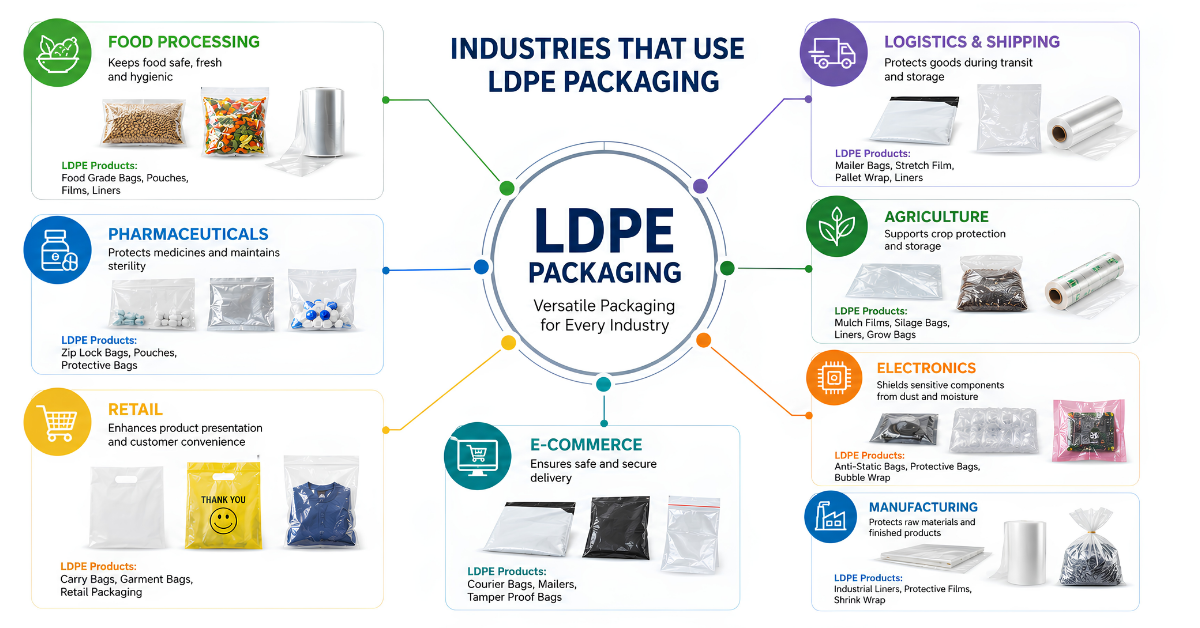
Industries That Commonly Use LDPE Packaging
| Industry | Common LDPE Packaging Applications |
|---|---|
| Food Processing | Bread bags, frozen food packaging, produce bags |
| Retail | Shopping bags, display packaging, garment bags |
| E-commerce | Courier mailers, shipping bags |
| Healthcare | Specimen bags, medical packaging |
| Pharmaceuticals | Protective packaging, medicine bags |
| Agriculture | Seed packaging, liners, produce bags |
| Electronics | Antistatic protective bags |
| Manufacturing | Industrial liners, protective covers |
| Textile Industry | Garment packaging, display bags |
| Logistics | Stretch film, pallet wrapping, protective bags |
Advantages of LDPE Packaging
The continued popularity of LDPE packaging is not the result of a single feature but rather a combination of performance characteristics that make it suitable for countless applications.
One of its most significant advantages is flexibility. Unlike rigid plastics that can crack under pressure, LDPE bends and stretches while maintaining its structural integrity. This flexibility allows packaging to better absorb impacts during transportation, reducing the risk of product damage.
Its lightweight nature is another major benefit. Lower package weight translates into reduced transportation costs, improved handling efficiency, and lower overall packaging expenses, particularly for businesses shipping products at scale.
LDPE also offers excellent resistance to moisture, helping protect products from humidity, condensation, and water exposure. This characteristic is particularly valuable for food products, textiles, pharmaceuticals, and industrial components that require protection from environmental conditions.
Another important advantage is printability. Manufacturers can produce high-quality printed packaging featuring company branding, instructions, product information, and promotional graphics without sacrificing durability.
Heat sealability further enhances its value by allowing automated packaging equipment to create strong, reliable seals quickly and consistently.
Finally, LDPE remains one of the most economical flexible packaging materials available, providing an excellent balance between performance and manufacturing cost.
Limitations of LDPE Packaging
Although LDPE packaging offers an excellent balance of flexibility, durability, and affordability, no packaging material is suitable for every application. Understanding the limitations of LDPE helps businesses choose the right packaging solution based on product requirements, storage conditions, transportation methods, and environmental factors.
One of the primary limitations of LDPE is its relatively low rigidity. Because the material is designed to be soft and flexible, it does not provide the structural support required for heavy-duty applications where products need to maintain a fixed shape. For packaging bulky machinery, heavy industrial components, or products requiring high compressive strength, more rigid materials such as HDPE or corrugated packaging may be more appropriate.
Heat resistance is another factor to consider. While LDPE performs well under normal storage and transportation conditions, it begins to soften at relatively low temperatures compared to engineering plastics. This makes it unsuitable for packaging products that will be exposed to prolonged high heat, sterilization processes requiring elevated temperatures, or direct cooking applications.
The material also has moderate puncture resistance. Although LDPE stretches well under pressure, sharp objects can still pierce thin films if the appropriate thickness is not selected. Businesses packaging products with sharp edges often choose reinforced films or thicker gauges to improve protection.
Environmental concerns have also influenced packaging decisions in recent years. Like other conventional plastics, improperly disposed LDPE can contribute to plastic pollution. Fortunately, many regions now support LDPE recycling programs, and manufacturers are increasingly incorporating recycled content into new packaging products to reduce environmental impact.
These limitations do not reduce the value of LDPE packaging; instead, they highlight the importance of selecting the right material for the intended application.
LDPE vs HDPE Packaging
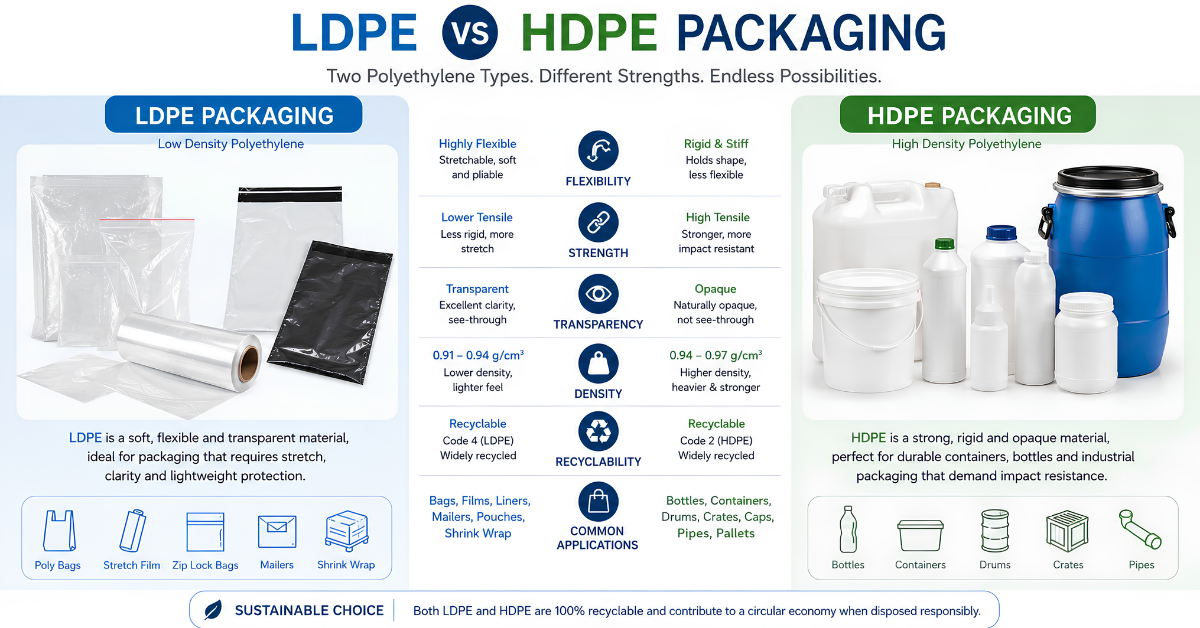
Low-Density Polyethylene (LDPE) and High-Density Polyethylene (HDPE) are among the most widely used plastics in the packaging industry. While they belong to the same polyethylene family, differences in their molecular structure result in distinct physical properties and ideal applications.
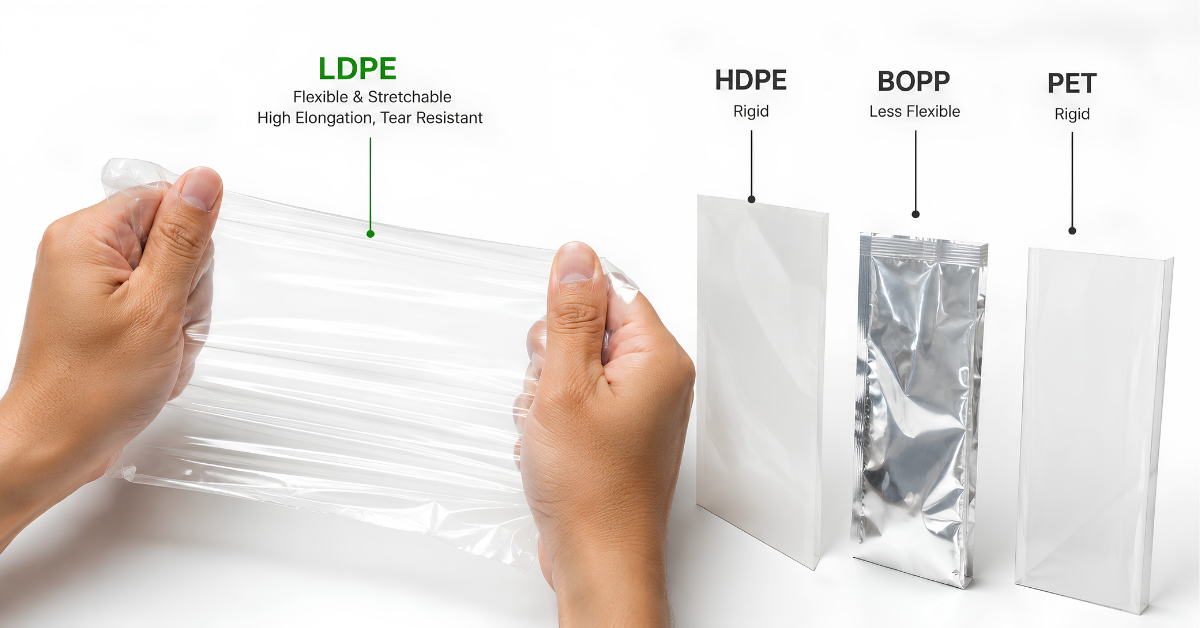
LDPE has a highly branched molecular structure, creating greater spacing between polymer chains. This gives the material exceptional flexibility, softness, and transparency. HDPE, on the other hand, has a more linear molecular structure with tightly packed chains, resulting in higher density, greater strength, and increased rigidity.
Neither material is universally better than the other. The right choice depends on the packaging requirements of the product being protected.
LDPE vs HDPE Comparison
| Feature | LDPE | HDPE |
|---|---|---|
| Full Form | Low-Density Polyethylene | High-Density Polyethylene |
| Density | Lower | Higher |
| Flexibility | Excellent | Moderate |
| Rigidity | Low | High |
| Transparency | High | Moderate |
| Tensile Strength | Moderate | High |
| Impact Resistance | Very Good | Excellent |
| Moisture Resistance | Excellent | Excellent |
| Chemical Resistance | Good | Excellent |
| Heat Resistance | Moderate | Better than LDPE |
| Common Applications | Bags, Films, Pouches, Wraps | Bottles, Containers, Crates, Drums |
For businesses seeking flexible packaging that offers excellent product visibility and easy handling, LDPE is often the preferred option. Applications such as food packaging, retail bags, courier packaging, and protective films benefit from its softness and adaptability.
Conversely, when packaging requires greater structural strength—such as chemical containers, detergent bottles, industrial drums, or rigid storage solutions—HDPE typically provides better performance.
Choosing between LDPE and HDPE should be based on product weight, handling requirements, transportation conditions, storage environment, and the level of protection needed.
Is LDPE Packaging Recyclable?
As sustainability becomes a key priority across industries, many businesses and consumers ask whether LDPE packaging can be recycled. The answer is yes—LDPE is recyclable and is identified by Plastic Identification Code #4. However, the availability of recycling programs depends on local waste management infrastructure and collection systems.
The recycling process begins with the collection and sorting of LDPE products. After contaminants such as labels, adhesives, and food residues are removed, the plastic is cleaned, shredded into small flakes, and melted into pellets. These recycled pellets can then be used to manufacture a variety of new products, including garbage bags, construction films, protective packaging, outdoor furniture, plastic lumber, and selected packaging materials.
One of the advantages of LDPE is that it can often be recycled multiple times before its mechanical properties begin to decline significantly. This makes it a valuable material within the circular economy, where the goal is to keep resources in use for as long as possible.
Businesses can further improve the sustainability of LDPE packaging by reducing unnecessary material usage, selecting packaging with recycled content where appropriate, designing products for easier recycling, and educating customers on proper disposal practices. These initiatives not only reduce environmental impact but also align with growing consumer expectations for responsible packaging.
While recycling alone is not a complete solution to plastic waste, choosing recyclable materials such as LDPE and supporting effective recycling systems contribute to more sustainable packaging practices.
How to Choose the Right LDPE Packaging
Selecting the right LDPE packaging involves more than choosing the correct bag size. Every product has unique packaging requirements based on its weight, dimensions, storage conditions, transportation methods, and level of protection needed.
The first factor to consider is the nature of the product itself. Lightweight retail products may only require thin, transparent packaging, whereas industrial components or heavy items often benefit from thicker films that provide additional durability and puncture resistance.
Environmental conditions also play an important role. Products stored in humid environments or transported over long distances may require packaging with enhanced moisture resistance and stronger sealing performance to maintain product quality throughout the supply chain.
Brand presentation is another important consideration. Many companies choose custom-printed LDPE packaging because it combines product protection with professional branding. High-quality printing allows businesses to include logos, instructions, product information, and promotional messages directly on the packaging.
For businesses shipping products through e-commerce channels, packaging should also prioritize lightweight construction and secure sealing. Efficient packaging reduces shipping costs while helping products arrive safely at their destination.
Finally, companies should consider sustainability goals when selecting packaging materials. Packaging that uses recyclable materials, minimizes excess plastic, and supports responsible disposal practices can help businesses meet environmental objectives while maintaining packaging performance.
If your business requires flexible packaging solutions for retail, food, industrial, or logistics applications, exploring different types of LDPE Bags can help you identify the most suitable option for your packaging requirements.