
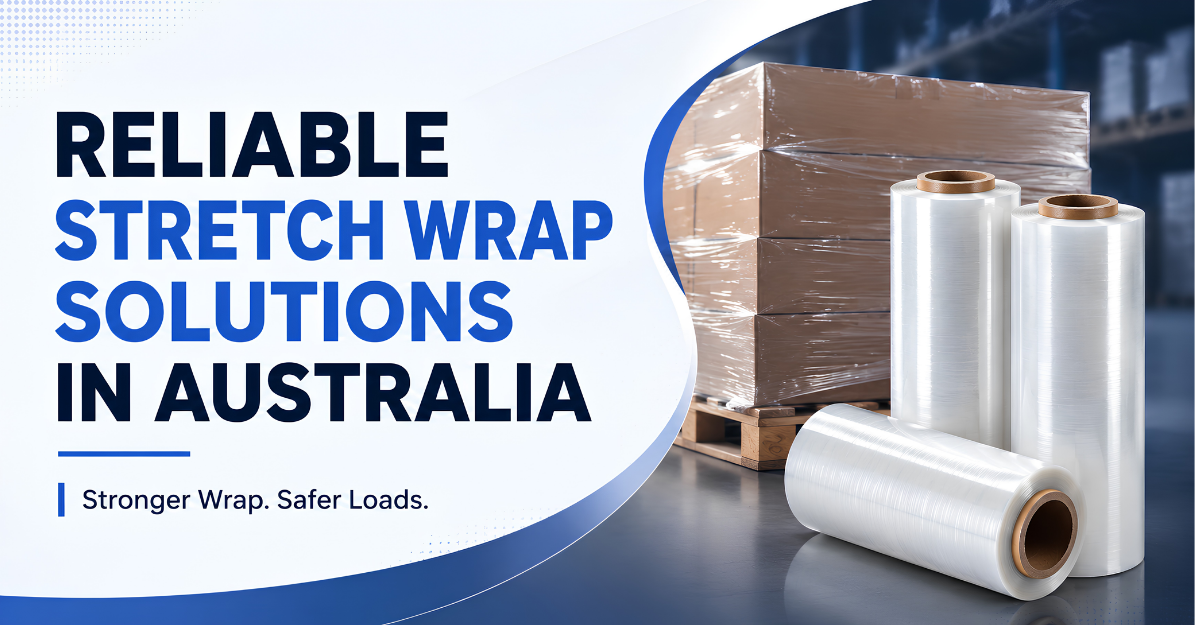
In a fast-moving supply chain, every step matters. Stretch wrap, also known as stretch film, plays an important role in protecting and stabilizing palletized goods during storage, handling, and transportation. For Australian manufacturers, warehouses, logistics teams, and retailers, choosing the right stretch wrap can help reduce product damage, improve load stability, and support efficient packaging operations.
From hand stretch wrap for smaller operations to machine stretch wrap for high-volume facilities, different film types are designed for different applications. Understanding these options can help businesses choose the right solution for their products, equipment, and shipping requirements.
The Critical Role of Efficient Supply Chains in Modern Business
Efficient supply chains help goods move from production facilities to customers with fewer delays and disruptions. When products arrive safely and on time, businesses can improve customer satisfaction while reducing costs associated with damage, waste, delays, and inefficient handling.
In a competitive market, businesses need every possible advantage. A well-managed supply chain can strengthen customer relationships, improve operational efficiency, and support long-term business growth.
Packaging is an important part of this process. The right packaging helps protect products, simplify handling, and maintain load stability throughout the supply chain.
Packaging as a Key Part of Supply Chain Optimization
Packaging is more than a protective layer around a product. It also supports safe storage, handling, transportation, and distribution.
Poor packaging can result in damaged products, unstable pallets, unnecessary waste, and higher operating costs. Effective packaging helps reduce these risks while making warehouse and logistics processes more efficient.
For many businesses, industrial stretch wrap is an essential packaging material. It helps secure products together, protect loads from contamination, and improve pallet stability during transportation and storage.
Businesses that handle smaller products or need flexible wrapping options can also explore mini stretch wrap rolls for e-commerce and packaging applications.
What Is Stretch Wrap?
Stretch Wrap and Stretch Film
Stretch wrap and stretch film generally refer to the same basic type of highly stretchable plastic film used to secure, bundle, and stabilize products.
The terms are often used interchangeably. In some packaging applications, stretch wrap commonly refers to film applied manually, while stretch film is frequently associated with machine-based wrapping systems.
When choosing stretch film for wrapping pallets, the right grade depends on factors such as load weight, pallet configuration, application method, transportation conditions, and required film performance.
For a deeper understanding of stretch film selection and application, businesses can also refer to this ultimate guide to stretch wrap.
Types of Stretch Wrap
Different types of stretch wrap are designed for different packaging requirements. Choosing the right type can improve load security, reduce material waste, and increase packaging efficiency.
Hand Stretch Wrap vs. Machine Stretch Wrap
Hand stretch wrap is applied manually and is suitable for smaller operations, mixed pallet sizes, low-volume packaging, and situations where flexibility is important.
Machine stretch wrap is applied using a pallet wrapping machine and is generally better suited to high-volume packaging operations. Automated wrapping can provide more consistent film application while helping reduce manual labor.
The right choice depends on your packaging volume, equipment, pallet sizes, and operational requirements.
Cast Stretch Film vs. Blown Stretch Film
Cast stretch film is manufactured using a casting process and is commonly valued for its clarity, smooth application, and consistent performance.
Blown stretch film is produced using a blown-film process and is generally known for its strength and puncture resistance. It can be useful for demanding applications where loads have sharp edges or require additional film durability.
Both types of stretch wrap film have advantages, so the best option depends on the application and load characteristics.
Benefits of Using Stretch Wrap
Product Protection from Damage and Contamination
Stretch wrap helps protect products from dust, dirt, moisture, and other external contaminants. Properly wrapped loads are also less likely to experience movement during transportation.
This protection can help businesses maintain product quality and reduce losses caused by damaged goods.
Pallet Stability and Unit Load Integrity
One of the main purposes of pallet stretch wrap is to keep products together as a stable unit during storage and transportation.
By holding items securely in place, stretch wrap helps reduce shifting, movement, and pallet instability. This can lower the risk of product damage and improve handling safety throughout the supply chain.
Cost Savings and Efficiency Gains
Using stretch wrapping films for logistics and shipping can help businesses reduce packaging costs by minimizing unnecessary material use and reducing the need for additional packaging.
Efficient wrapping can also reduce labor requirements and help lower costs associated with damaged products, returns, and packaging waste.
Environmental Considerations of Stretch Wrap
Recycling and Sustainability Options
Sustainability is becoming increasingly important for businesses looking to reduce packaging waste and improve resource efficiency.
Depending on the material and local recycling facilities, certain stretch films may be recyclable. Businesses can also consider appropriate recycled stretch wrap options and optimize film usage to reduce unnecessary material consumption.
Using the right amount of film for each load is an important part of reducing packaging waste. Businesses should also follow applicable local recycling and waste-management requirements.
How to Choose the Right Stretch Wrap
Selecting the right stretch wrap requires more than choosing a film based on price. The film needs to match the product, pallet, application method, and transportation conditions.
Consider the Load Weight and Size
Heavy or oversized loads may require a stronger film with suitable puncture resistance. Smaller and lighter loads may have different film requirements.
Consider the overall pallet weight, dimensions, shape, and product configuration before selecting a film.
Consider the Application Method
Decide whether the film will be applied manually or with a wrapping machine.
Hand stretch wrap provides flexibility for smaller or varied operations, while machine stretch wrap can be more efficient for businesses handling large volumes of pallets.
Consider Film Thickness
Film thickness can influence strength, puncture resistance, and material consumption. The appropriate thickness depends on the load and the required level of protection.
Using a thicker film does not automatically mean better performance. The goal is to choose a film that provides the required protection without unnecessary material usage.
For more information, see this guide on what factors to consider when choosing stretch wrap thickness.
Consider Stretch, Cling, and Strength
When comparing stretch wrap film, look at important properties such as:
- Film thickness
- Width
- Stretch performance
- Cling
- Puncture resistance
- Tear resistance
- Load-holding force
- Clarity
These characteristics can affect how effectively the film performs in different packaging environments.
Consider Transportation and Storage Conditions
The transportation distance, handling process, weather conditions, storage environment, and shipping method can all influence film selection.
For example, loads traveling long distances or passing through multiple handling points may require stronger load stability and puncture resistance.
Assessing Stretch Wrap Performance
Key Performance Indicators for Evaluation
Businesses can evaluate stretch wrap performance using several practical indicators, including:
- Puncture resistance
- Stretch performance
- Load stability
- Film usage
- Tear resistance
- Wrapping consistency
- Product damage rates
Regular evaluation can help identify whether the selected film is delivering the required performance and whether packaging processes can be improved.
Cost-Benefit Analysis of Stretch Wrap Options
The lowest-cost film is not always the most economical option.
A proper cost-benefit analysis should consider film consumption, labor, packaging speed, product damage, waste, and overall load performance.
A film that costs slightly more per roll may provide better value if it uses less material per pallet, improves load stability, reduces damage, or increases wrapping efficiency.
The Role of Stretch Wrap in Supply Chain Optimization
Preventing Product Damage and Loss
Products can shift or become unstable during transportation if they are not properly secured. Stretch wrap helps hold products together and can reduce movement during handling and transit.
This can help businesses reduce product damage, claims, returns, and unnecessary replacement costs.
Enhancing Load Stability and Security
Stable pallets are easier and safer to handle. Properly applied stretch wrap helps maintain unit load integrity and reduces the risk of products shifting during transportation.
For warehouses and logistics operations, better load stability can also support safer handling practices.
Streamlining Warehousing and Distribution
Efficient warehousing depends on effective storage, inventory management, handling, and order fulfillment.
By keeping products securely grouped on pallets, stretch wrap can make loads easier to handle and transport through warehouses and distribution facilities.
Reducing Packaging Waste
Using stretch wrap efficiently can help businesses reduce unnecessary packaging consumption.
Rather than simply using more film, businesses should focus on selecting the appropriate film grade and applying the correct amount for each load.
Optimizing wrapping patterns, reducing unnecessary overlaps, and selecting suitable film performance can all contribute to more efficient packaging.
Stretch Wrap Manufacturers and Suppliers in Australia
Why Choose a Reliable Stretch Wrap Supplier?
A reliable supplier can be an important part of maintaining consistent packaging operations.
Businesses should look for suppliers that can provide:
- Consistent product quality
- Reliable supply
- Suitable film specifications
- Technical support
- Product customization where required
- Clear product information
- Competitive pricing
- Consistent delivery
For businesses that depend on regular pallet wrapping, supply reliability can be just as important as the price of individual rolls.
What to Consider When Selecting a Stretch Wrap Provider
When comparing stretch wrap suppliers in Australia, consider the supplier’s product range, manufacturing capabilities, quality controls, certifications, customization options, pricing, payment terms, and delivery capabilities.
Buyers should also consider whether the supplier can provide the right film for their specific application rather than offering a one-size-fits-all solution.
The Stretch Wrap Market in Australia
The demand for efficient packaging solutions continues to support the use of stretch wrap across Australian manufacturing, warehousing, retail, logistics, and distribution operations.
Businesses are increasingly focused on packaging efficiency, load security, material optimization, and sustainability. These factors are encouraging companies to evaluate not only the price of packaging materials but also their overall performance and impact on operating costs.
Choosing an appropriate stretch film can therefore be an important part of improving packaging and supply chain efficiency.
Conclusion
Stretch wrap is an important part of modern packaging and supply chain operations. From improving pallet stretch wrap stability to protecting products during transportation, the right stretch film can help businesses improve packaging efficiency and reduce product damage.
Whether you need hand stretch wrap, machine stretch wrap, cast stretch film, blown stretch film, or other packaging solutions, selecting the right film requires consideration of your load, application method, transportation conditions, and performance requirements.
For businesses looking for reliable packaging solutions, working with an experienced stretch wrap manufacturer in Australia can help ensure consistent product quality and supply.
If you want to improve your packaging and supply chain operations, contact us today to learn more about stretch film solutions for your business.