
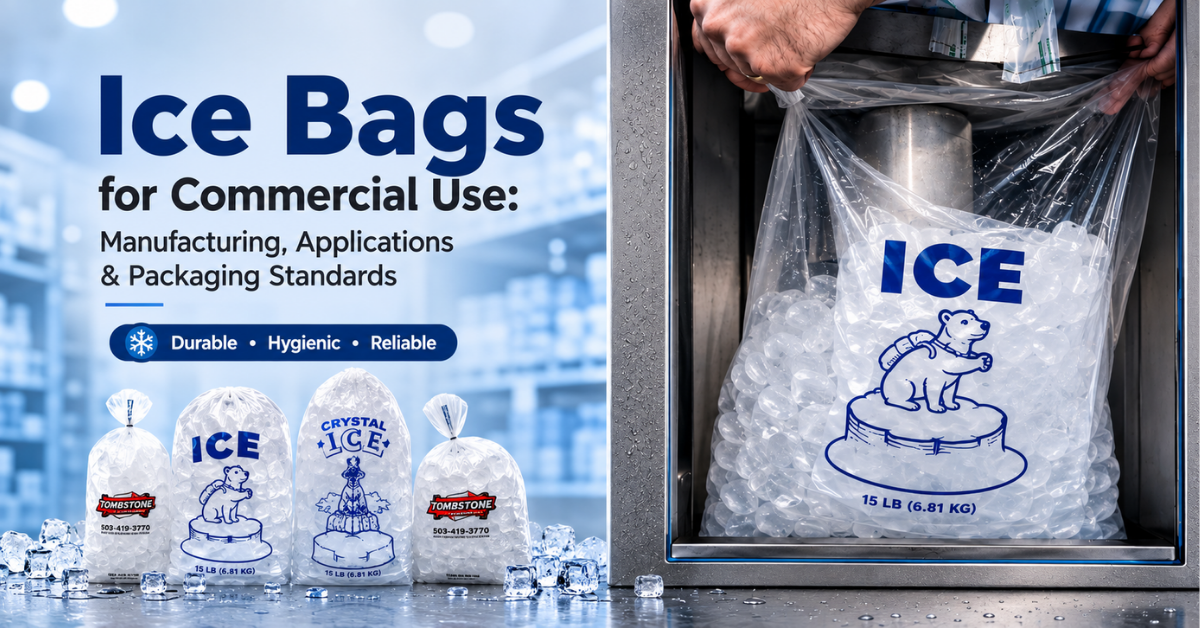
Ice bags are vital in many commercial sectors. They serve industries like food service, hospitality, and healthcare. These bags ensure products stay fresh and safe.
Manufacturing ice bags involves using durable materials like LDPE. This ensures they withstand low temperatures and resist punctures. Customization options allow businesses to tailor bags to their needs.
Printed ice bags offer branding opportunities. They display logos and company information, enhancing visibility. This makes them a marketing tool as well as a practical necessity.
Packaging standards are crucial for ice bags. They ensure hygiene and durability, meeting food safety regulations. Proper packaging prevents contamination and maintains ice quality.
Choosing the right supplier is key. Reliable suppliers provide quality products and meet commercial demands. They offer wholesale options, making ice bags cost-effective for large operations.
The Importance of Ice Bags in Commercial Settings
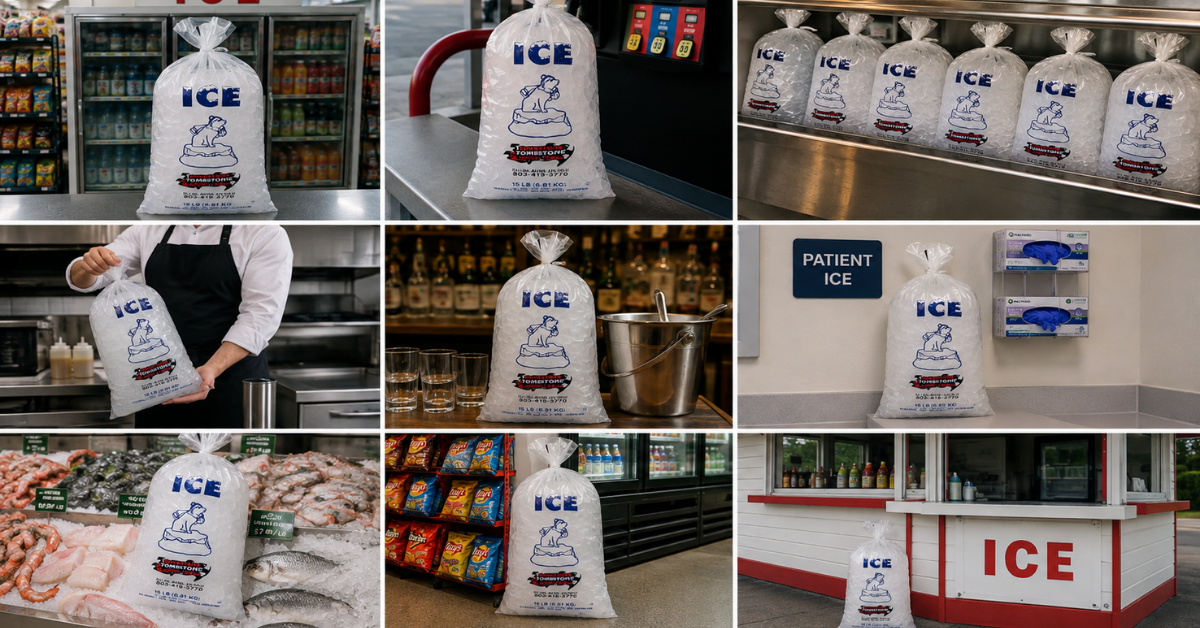
Ice bags play an essential role in commercial operations. They are a simple yet effective solution for preserving food and beverages. Many industries rely on them daily.
In the hospitality industry, ice bags ensure drinks stay cold and refreshing. Guests expect perfect beverages, and ice bags deliver this consistently. They are indispensable during events and catering.
Healthcare facilities also benefit from ice bags. They are used for medical applications like icing injuries and transporting temperature-sensitive samples. The reliability of ice bags is critical in these sensitive settings.
Several sectors utilize ice bags to maintain the cold chain. This is vital for transporting perishables like seafood and dairy products. Ice bags ensure these items remain fresh through:
- Consistent temperature maintenance
- Effective cold chain preservation
- Prevention of spoilage during transit
Ice Bags Manufacturing: Materials and Processes
Manufacturing ice bags involves several steps to ensure quality and functionality. The process starts with the selection of materials. The most common material used is LDPE, which offers flexibility and strength. Its properties make it ideal for ice bag production.
LDPE’s benefits go beyond durability; it is also puncture-resistant and performs well under low temperatures. This makes LDPE ice bags reliable for various uses. An essential factor in manufacturing is maintaining a balance between durability and flexibility.
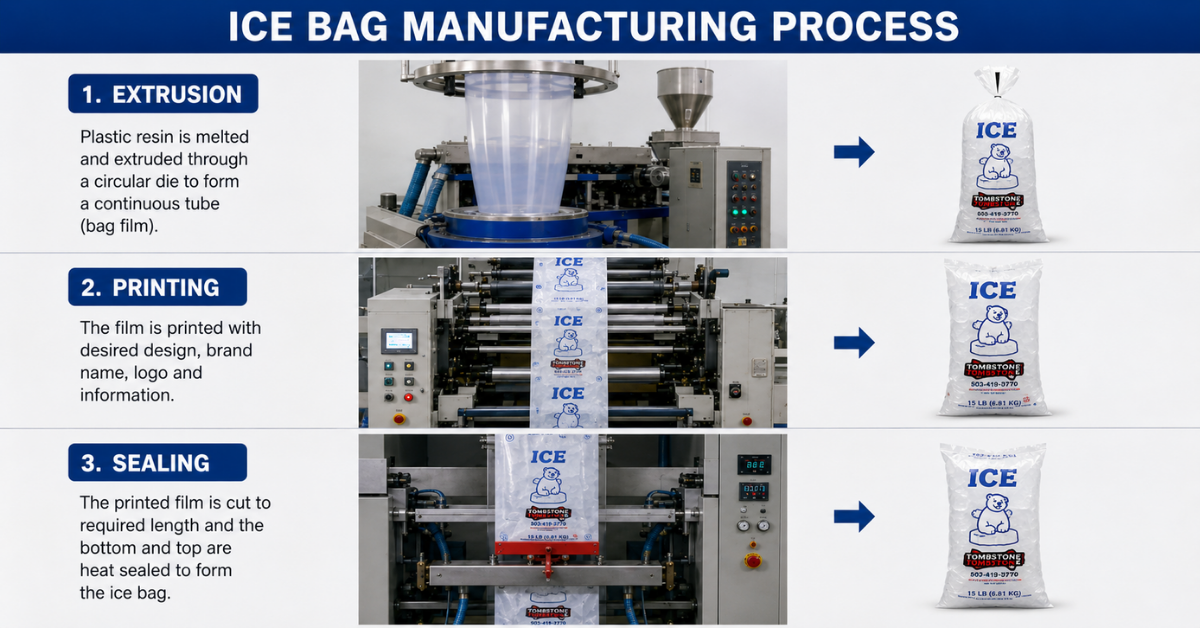
The manufacturing process includes extrusion, printing, and sealing. Extrusion shapes the plastic into film, which becomes the bag’s structure. Printing allows customization, adding logos or information directly on the bags. Sealing ensures the bags are leak-proof, preserving the integrity of the ice within.
Consistent quality control is vital at every stage. It ensures the final product meets industry standards and customer expectations. Manufacturers rigorously test materials and processes to maintain high quality.
Common manufacturing steps include:
- Selecting quality LDPE materials
- Extruding and forming the bag shape
- Customizing with printed designs
- Sealing bags for leak prevention
- Conducting rigorous quality checks
With advancements in technology, the manufacturing of plastic ice bags continues to evolve. Innovations lead to better sealing technologies and biodegradable options, addressing environmental concerns.
 Types of Commercial Ice Bags: LDPE, Custom, and Printed Options
Commercial ice bags come in various forms to meet diverse needs. LDPE is a popular choice due to its durability and affordability. It serves industries that require strong, flexible bags for ice storage.
Custom ice bags offer tailored solutions for specific business needs. These bags can be made to different sizes and thicknesses. Businesses often use them to reflect their brand colors or unique designs. Custom options enhance brand identity and ensure bags meet particular operational requirements.
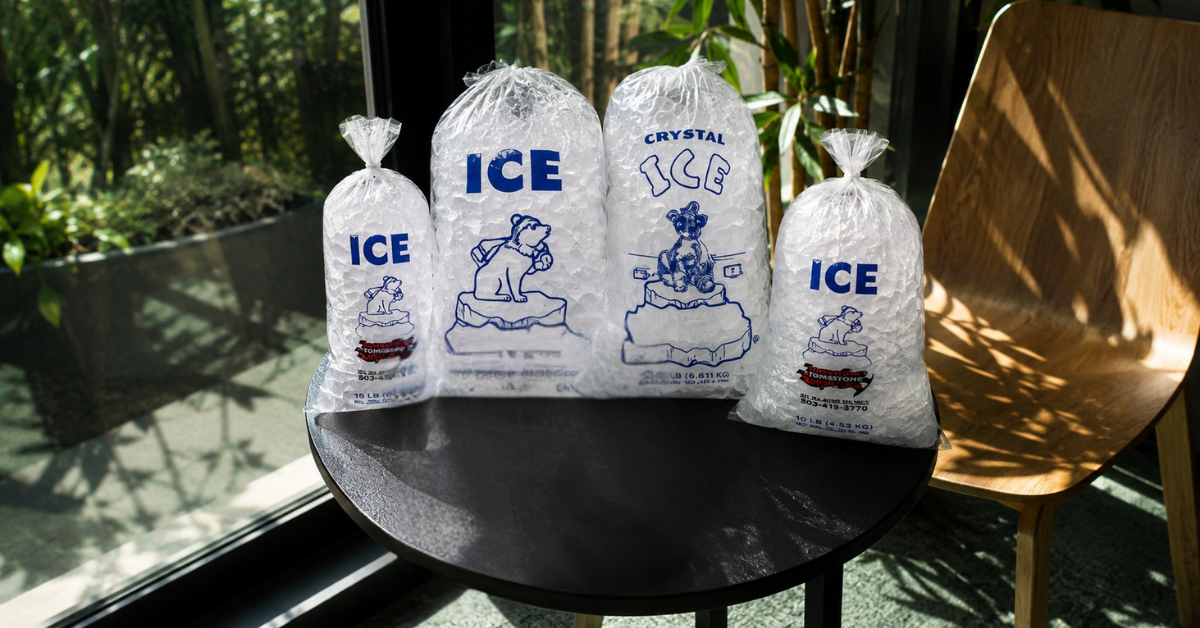
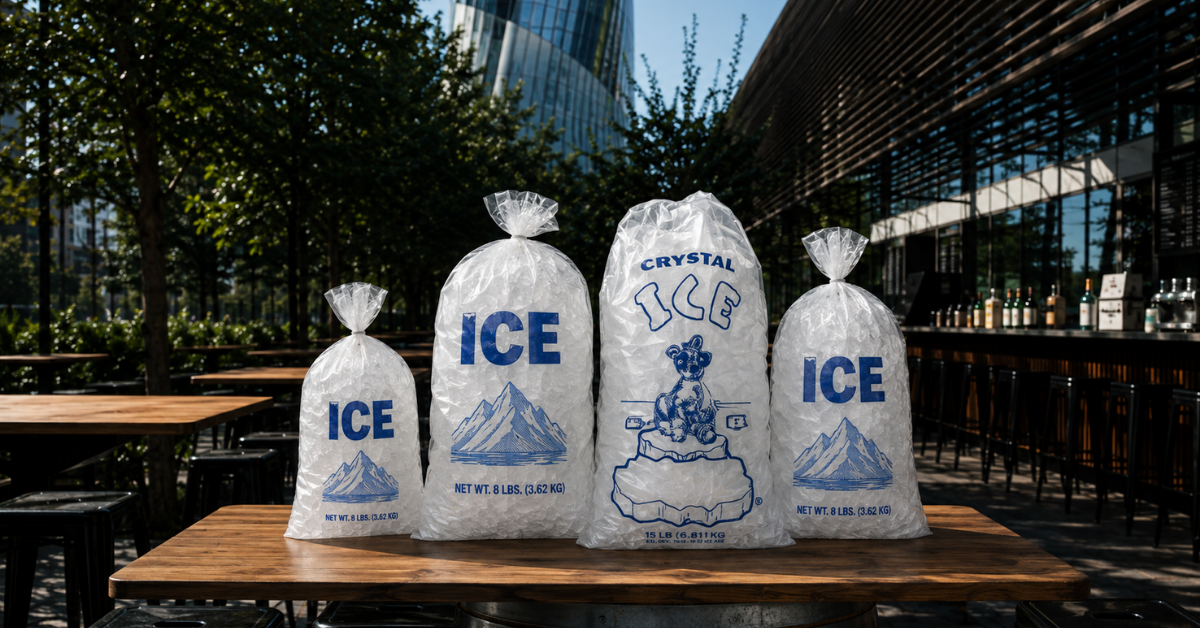
Printed ice bags provide a branding advantage. Companies can display logos, contact information, or marketing messages. This enhances brand visibility and customer engagement. Printed bags are especially favored by businesses in hospitality, where presentation and branding are crucial.
In choosing the right ice bag, businesses consider several factors. The intended use, storage conditions, and branding needs all play a role. With various options available, selecting the appropriate bag type can significantly impact operations.
Key features of commercial ice bags include:
- Material: LDPE for strength and flexibility
- Customization: Tailored sizes, thicknesses, and designs
- Printing: Logos and branding for visibility
Commercial ice bags stand out with their versatility and functionality. They cater to a wide range of industrial applications.
Ice Bag Packaging Standards and Food Safety Compliance
Proper packaging is crucial for ice bag quality and safety. It ensures the bags are durable and hygienic. Packaging standards play a vital role in preventing contamination.
Packaging must meet stringent food safety regulations. These standards ensure that ice bags are safe for direct contact with food. Compliance with these regulations helps maintain customer trust and satisfaction. Ice bags should also withstand various handling and transportation conditions.
Manufacturers incorporate specific features to comply with packaging standards. Reinforced seams and secure closures are common. These prevent leaks and ensure the ice remains clean and intact. Proper labeling with safety instructions and expiration dates is also essential.
Critical packaging features for compliance include:
- Hygienic materials: Safe for food contact
- Durability: Withstands handling stresses
- Secure closures: Prevent leaks and contamination
Meeting packaging standards not only protects the product but also enhances business reputation. Adherence to these standards is non-negotiable in the competitive commercial market.
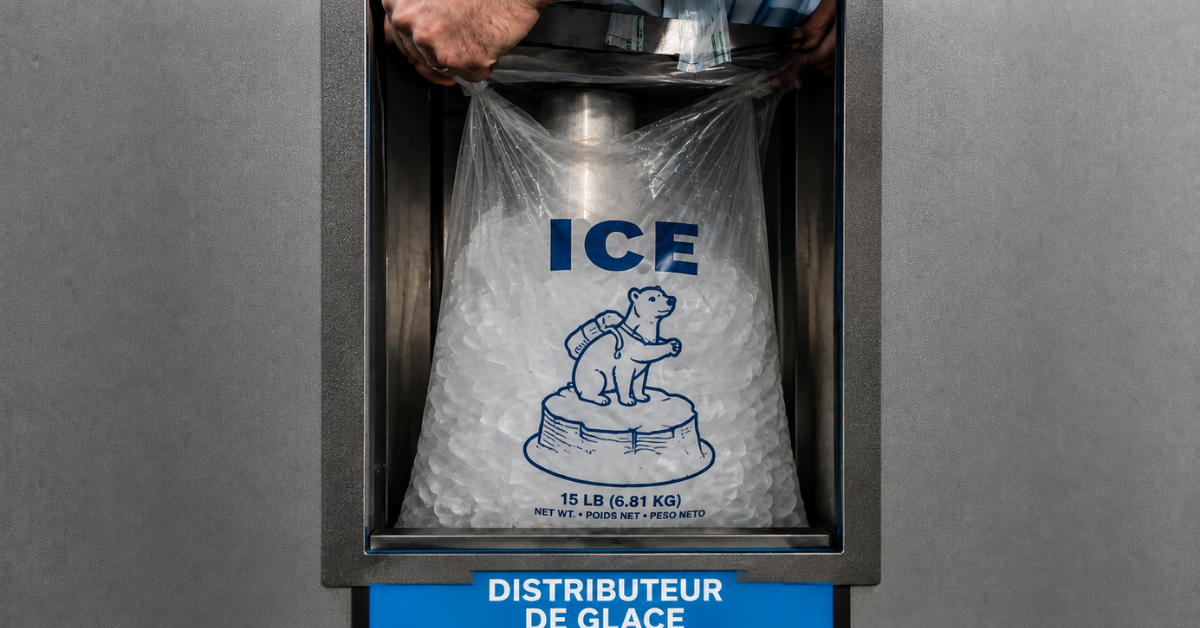 Applications of Ice Bags in Various Industries
Ice bags are indispensable across many sectors. They ensure efficient cooling and storage solutions. From food service to healthcare, these bags serve diverse needs.
In the food and beverage industry, they maintain freshness. Restaurants and catering services rely on them for storing perishables. They are also essential in transporting chilled foods without compromising quality.
In healthcare, ice bags have medical applications. They help in managing injuries and swelling. Their use extends to preserving temperature-sensitive medical supplies. This makes them vital in hospitals and clinics.
Key applications include:
- Food and beverage preservation
- Event and festival cooling
- Medical and healthcare uses
The event industry also benefits significantly from ice bags. They are crucial for cooling beverages in outdoor events and festivals. Their versatility in applications makes them a valuable asset in numerous commercial settings.
Customization and Branding: The Value of Custom and Printed Ice Bags
Custom ice bags offer businesses a unique branding opportunity. They can be tailored to specific dimensions and designs, meeting distinct operational needs. This customization enhances their utility and marketing potential.
Printed ice bags take branding a step further. Companies can display logos, slogans, or contact information right on the bag. This visible branding promotes recognition and engagement. It transforms the bags into mobile marketing tools, expanding brand presence.
The benefits of custom and printed ice bags are numerous. They ensure brand visibility and convey professionalism. Businesses can leverage these bags to stand out in competitive markets. Custom features also make them suitable for any industry, including hospitality and events.
Key benefits of customization:
- Enhanced brand visibility
- Professional appearance
- Tailored to business needs
Custom and printed ice bags are more than just storage solutions. They represent strategic tools for business growth and customer connection.
by Branislav Rodman (https://unsplash.com/@branislavrodman)
Choosing the Right Ice Bag Supplier: What to Look For
Selecting the right ice bag supplier is crucial for maintaining quality. Businesses must consider several factors to ensure reliable sourcing. A good supplier guarantees consistent product quality.
Look for suppliers offering a diverse range of products. This includes different sizes, materials, and customization options. The ability to meet specific requirements is essential.
Customer support is another vital aspect. Responsive service can prevent supply chain disruptions. Timely deliveries and problem resolution are indicators of a dependable supplier.
Key considerations when choosing a supplier:
- Product range and customization options
- Consistency in quality
- Responsive customer service
A reputable supplier not only provides quality products but also supports your business goals. Choosing wisely can enhance your operational efficiency.
 Ice Bag Wholesale: Cost-Effectiveness and Bulk Purchasing
Purchasing ice bags wholesale is a smart move for businesses with high usage. Bulk buying significantly reduces costs. It ensures that you have a steady supply at a predictable price.
Businesses benefit from economies of scale when buying wholesale. Lower per-unit prices can enhance profit margins. This makes operations more sustainable long-term.
Benefits of Wholesale Purchasing:
- Reduced costs per unit
- Consistent supply
- Increased profitability
Overall, wholesale ice bags support efficient budgeting and inventory management. For large operations, this option is both strategic and economical.
Innovations and Sustainability in Ice Bag Manufacturing
The ice bag industry is embracing sustainable practices. Manufacturers are now experimenting with biodegradable materials. These new options aim to reduce environmental impact.
Innovations include advanced sealing technology and eco-friendly materials. Such innovations improve ice bag performance and reduce waste.
Key Innovations:
- Biodegradable materials
- Advanced sealing technologies
- Eco-friendly production processes
These efforts not only benefit the planet but also appeal to eco-conscious consumers. Adopting sustainable practices helps manufacturers stay competitive in a changing market.
 Conclusion: The Future of Commercial Ice Bags
The future of ice bags for commercial use looks promising. With advances in sustainability and customization, companies can better meet client needs. These developments enhance both functionality and environmental responsibility.
Businesses investing in high-quality, eco-friendly ice bags can stand out in competitive markets. The emphasis on branding and innovative materials will drive the sector forward. As the demand grows, continued innovation will ensure that ice bags remain an essential tool in various industries.