
Introduction
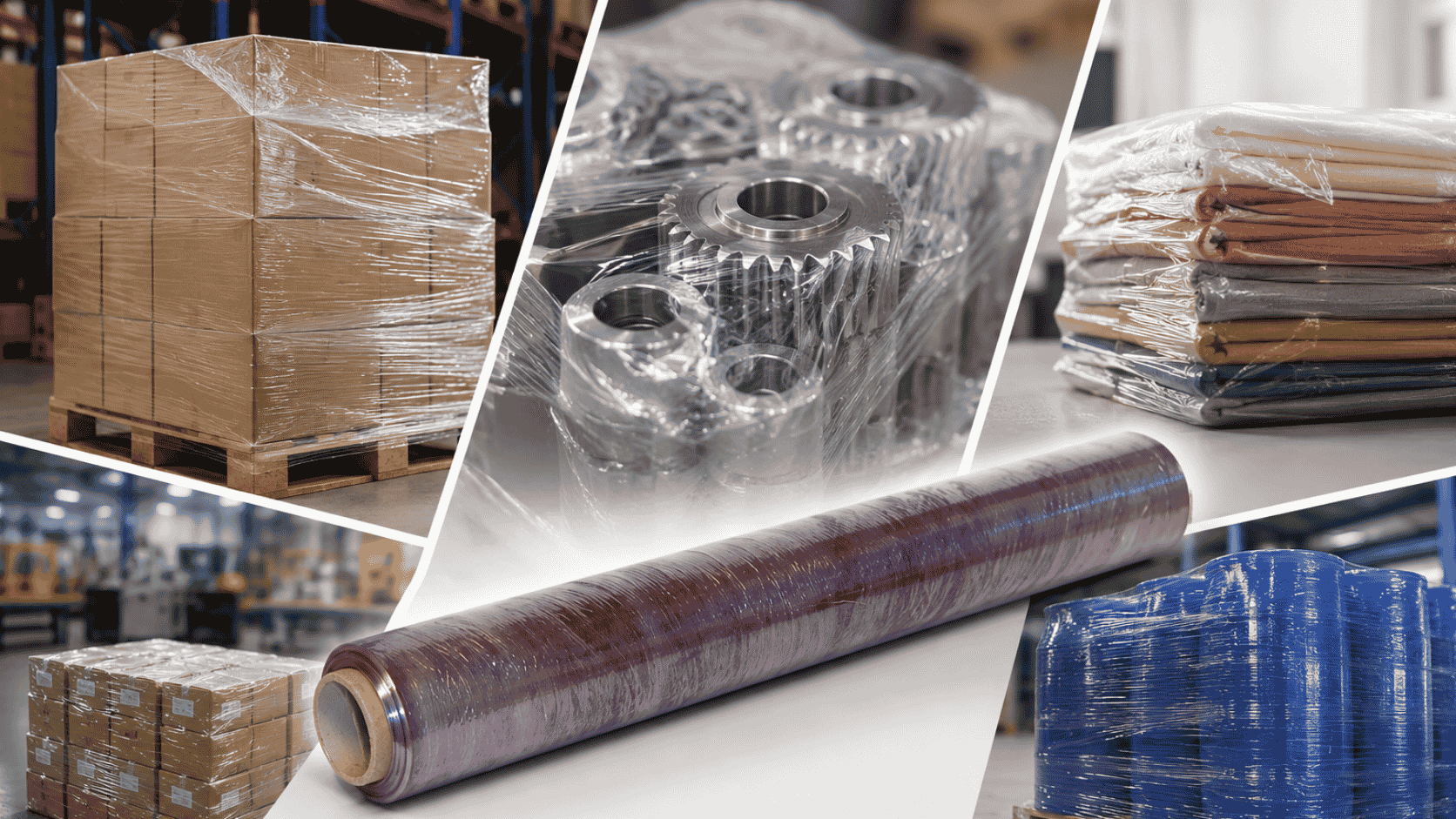
Most people associate cling film with preserving food freshness in kitchens and supermarkets, but its practical value extends far beyond food packaging. Across manufacturing plants, warehouses, distribution centers, and export operations, packaging professionals frequently use flexible wrapping solutions to protect products, reduce contamination, and improve handling efficiency. Selecting the appropriate packaging material directly influences product quality, storage costs, and transportation reliability.
Industrial operations often require temporary yet effective protection against dust, moisture, handling damage, and contamination without significantly increasing packaging weight or complexity. In many situations, industrial teams use industrial cling wrap as an economical solution for bundling, surface protection, and secondary packaging processes. Understanding these broader applications helps procurement managers, packaging engineers, and warehouse operators make more informed decisions about packaging film selection.
Understanding Cling Film Beyond Traditional Food Use
Cling film is a transparent polymer film designed to adhere to surfaces through its natural cling characteristics rather than adhesives. Although commonly recognized as a food grade cling film, similar material properties make it valuable across numerous industrial environments where products require temporary protection or secure containment.
Unlike rigid packaging materials, cling film conforms to irregular shapes without requiring custom molds or specialized equipment. This flexibility allows manufacturers to wrap components of different sizes while maintaining visibility for inspection and identification. Since many industrial workflows involve multiple handling stages before final shipment, maintaining product cleanliness without complicated packaging processes becomes an operational advantage.
Industrial packaging is rarely about a single protective layer. Instead, it often combines cartons, pallets, stretch wrapping, separators, and protective films to create a comprehensive packaging system. Within this system, cling film serves as an efficient intermediate layer that supports handling and storage.
Material Properties That Make Cling Film Suitable for Industrial Applications
The usefulness of packaging materials depends on their physical characteristics rather than their traditional market category. Several properties make cling film practical for industrial operations.
Its transparency enables visual inspection without repeatedly opening packages, reducing unnecessary handling and minimizing contamination risks. This feature is particularly valuable for quality control departments and warehouse inventory management.
The film’s elasticity allows it to accommodate products with varying dimensions while maintaining a snug fit. Instead of requiring multiple packaging formats for different products, facilities can often standardize packaging processes using a limited range of film sizes.
Another important characteristic is lightweight protection. Heavy-duty protective materials may increase shipping costs, while cling film adds minimal weight yet provides an additional barrier against dust and incidental exposure during storage and transportation.
Because many industrial facilities prioritize operational efficiency, materials that simplify wrapping procedures can contribute to faster packaging lines and improved labor productivity.
Manufacturing Industry Applications
Manufacturing facilities constantly move semi-finished and finished products between machining, assembly, inspection, and storage areas. During these transitions, components are exposed to dust, fingerprints, moisture, and accidental contact.
Cling film is frequently used to wrap assembled parts awaiting final packaging, protecting polished surfaces and preventing contamination before shipment. Automotive suppliers, appliance manufacturers, and engineering companies often require temporary packaging solutions during internal logistics rather than permanent consumer packaging.
Production scheduling may also require finished goods to remain in storage for several days before dispatch. Applying packaging film helps preserve cleanliness without repeatedly repackaging products throughout the manufacturing cycle.
Industrial packaging engineers typically evaluate whether temporary protection can reduce rejection rates caused by cosmetic damage. Even minor scratches or contamination can lead to additional inspection costs or customer complaints, making preventive packaging economically beneficial.
Warehouse Storage and Inventory Protection
Warehouses present unique challenges because products remain stationary for extended periods while simultaneously experiencing regular handling during inventory movement.
Dust accumulation, environmental exposure, and repeated forklift activity can gradually affect packaging integrity. Wrapping cartons or grouped products with cling film provides an additional protective layer while keeping labels visible for scanning and inventory verification.
Warehouse managers also appreciate packaging solutions that support efficient space utilization. Since cling film conforms closely to packaged goods, it does not significantly increase storage dimensions, allowing facilities to maximize pallet density and shelving capacity.
Seasonal inventory management particularly benefits from temporary protective wrapping because products stored for longer durations remain cleaner and require less preparation before shipment.
E-commerce and Distribution Center Operations
Distribution centers process thousands of products daily through sorting, picking, consolidation, and shipping activities. Small product bundles frequently require stabilization before placement into larger shipping cartons.
Industrial cling wrap assists in grouping multiple items together, reducing movement during transportation and simplifying order fulfillment processes. It also helps maintain packaging organization when mixed-product shipments are assembled for retailers or business customers.
Since e-commerce operations prioritize speed and accuracy, packaging materials that require minimal setup can improve workflow efficiency while maintaining product presentation.
Textile and Garment Industry Applications
The textile industry relies heavily on protective packaging because fabrics easily attract dust and absorb moisture during storage.
Manufacturers commonly wrap finished garment stacks, rolls of fabric, and textile accessories before placing them into secondary cartons or transport containers. Transparent packaging allows operators to identify products quickly without opening every package, improving warehouse productivity.
Export-oriented textile businesses particularly benefit from protective wrapping during container loading, where products may experience varying environmental conditions throughout long shipping routes.
Pharmaceutical and Healthcare Packaging Support
Pharmaceutical manufacturing environments require stringent cleanliness standards throughout production and storage operations. While primary packaging must comply with applicable regulatory requirements, secondary packaging often includes protective wrapping for grouped cartons or transport units.
Cling film helps maintain organized packaging configurations while reducing exposure to dust during internal handling. Distribution centers supplying hospitals and pharmacies also use transparent protective films to secure grouped products without obscuring product identification.
Because traceability is essential in pharmaceutical logistics, packaging solutions that preserve barcode visibility while providing protection offer practical operational advantages.
FMCG Secondary Packaging Operations
Fast-moving consumer goods manufacturers depend on efficient packaging systems capable of supporting high production volumes.
Secondary packaging frequently involves bundling multiple consumer units before palletization or retail distribution. Packaging film provides flexibility for temporary stabilization before additional transport packaging is applied.
Since FMCG products often move rapidly through supply chains, reducing packaging complexity while maintaining handling reliability contributes directly to operational efficiency.
Chemical and Industrial Component Protection
Many industrial components require protection from dust and incidental environmental exposure even when they are not classified as hazardous materials.
Plastic components, molded parts, rubber products, and precision assemblies can benefit from protective wrapping during internal storage or transportation between facilities. Transparent packaging allows inspection without repeated unpacking, reducing unnecessary handling and associated risks.
Packaging engineers often combine cling film with corrugated packaging and separators to create layered protection appropriate for specific product characteristics.
Export Packaging and International Logistics
International shipments involve multiple loading and unloading stages across ports, warehouses, and transportation networks. Each handling event increases the possibility of packaging disruption.
Although cling film alone is not a substitute for export-grade packaging systems, it serves as a valuable supporting component by protecting surfaces, securing grouped items, and maintaining package cleanliness throughout transit.
Export packaging strategies typically combine cartons, pallets, stretch wrapping, cushioning materials, and protective films to create comprehensive protection tailored to shipping conditions.
Temporary Surface Protection During Manufacturing
Industrial production frequently includes finishing processes such as polishing, coating, painting, or printing that create surfaces vulnerable to damage before final assembly.
Applying cling film immediately after processing provides temporary protection until downstream operations are completed. This approach reduces rework caused by contamination or surface scratches while maintaining product appearance.
Temporary protection becomes particularly valuable for decorative panels, acrylic components, metal sheets, and display products where cosmetic quality directly influences customer acceptance.
Cost Efficiency Compared with Alternative Packaging Methods
Packaging decisions must balance protection, labor requirements, material costs, and operational efficiency.
Compared with heavier packaging alternatives, cling film offers lightweight protection that minimizes additional shipping weight while simplifying handling procedures. Facilities can often reduce packaging waste by using appropriately sized film rather than oversized protective materials.
However, cost efficiency should always be evaluated within the broader packaging system. The objective is not simply to minimize material usage but to prevent product damage and unnecessary handling costs throughout the supply chain.
Operational Best Practices for Industrial Users
Industrial users should select cling film according to product dimensions, handling frequency, storage conditions, and transportation requirements rather than relying on a single specification for every application.
Best practices include:
- Selecting appropriate film thickness for the application.
- Ensuring consistent wrapping tension.
- Avoiding excessive stretching that may reduce effectiveness.
- Maintaining clean application surfaces.
- Integrating cling film with broader packaging systems rather than treating it as a standalone solution.
- Evaluating storage environments, especially where temperature and humidity fluctuate.
Standardization across packaging operations also improves training, consistency, and procurement efficiency.
Understanding the Limitations of Cling Film
Despite its versatility, cling film is not designed for every packaging challenge. Heavy industrial loads requiring structural stability typically require stretch film, strapping, shrink wrapping, or specialized protective systems.
Similarly, products exposed to significant mechanical impacts or long-term outdoor storage may require additional packaging materials with enhanced durability.
The most effective packaging strategies recognize both the strengths and limitations of each material and combine them appropriately based on operational requirements.
Conclusion
The industrial value of cling film extends well beyond preserving food freshness. Manufacturers, warehouses, logistics providers, pharmaceutical companies, textile exporters, and FMCG businesses all benefit from its flexibility, transparency, and protective characteristics when used appropriately within broader packaging systems.
Rather than viewing cling film solely as a consumer product, industrial decision-makers should consider its role in improving handling efficiency, maintaining product cleanliness, supporting inventory management, and reducing packaging complexity. Selecting the right packaging film for each application ultimately contributes to better operational performance, improved product protection, and more reliable supply chain execution.