
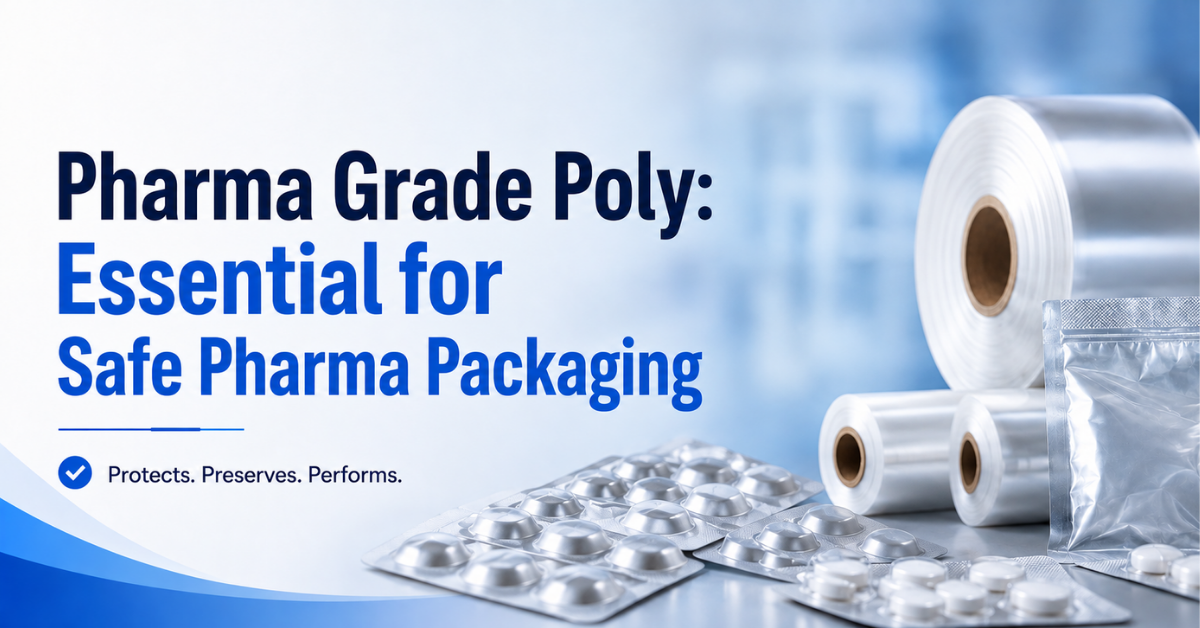
Pharmaceutical packaging is a critical component in the healthcare industry. It ensures the safety and efficacy of medications. High-quality materials are essential for this purpose.
Pharma grade poly is a specialized material used in pharmaceutical packaging. It offers superior protection against environmental factors. This ensures that medications remain effective and safe.
The demand for pharma grade poly is increasing. This is due to the growing complexity of pharmaceutical products. Packaging must meet stringent regulatory standards.
Pharmaceutical packaging solutions rely on advanced materials. These materials must be non-reactive and provide a strong barrier. This prevents contamination and degradation of the product.
Understanding pharma grade poly is crucial for industry professionals. It helps in selecting the right packaging materials. This ensures the safety and quality of pharmaceutical products.
What Is Pharma Grade Poly?
Pharma grade poly refers to high-quality poly films tailored for pharmaceutical applications. These films play a vital role in preserving drug integrity. They ensure that medications reach patients in optimal condition.
These poly films are meticulously engineered to meet specific industry requirements. They offer excellent barrier properties, essential for maintaining product efficacy. The right film can prevent exposure to moisture, oxygen, and light.
Pharmaceutical polymers used in these films include various innovative substances. Common types include polyethylene and polypropylene. Each polymer contributes unique characteristics to the film’s performance.
Key features of pharma grade poly films include:
- Strong resistance to contaminants
- Flexibility for diverse applications
- Robust mechanical properties
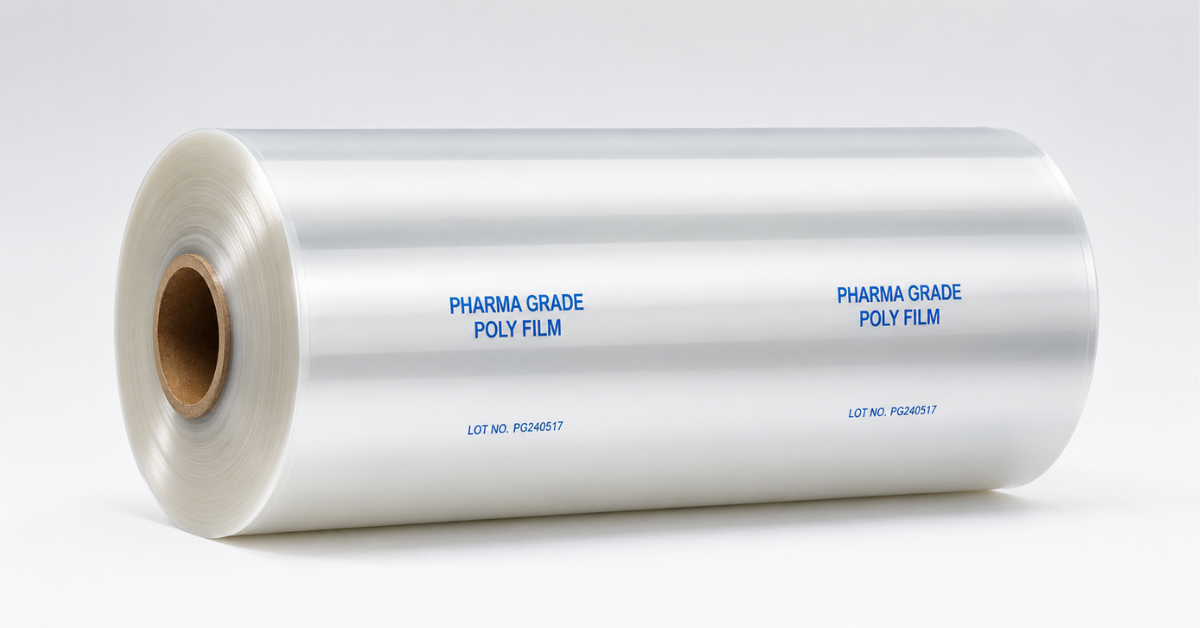
These poly films are crafted to withstand various stresses. They endure handling, transportation, and storage without compromising integrity. This resilience makes them indispensable in pharmaceutical packaging solutions, ensuring drugs are safely sealed and preserved.
Why Pharmaceutical Packaging Requires High-Quality Poly Films
Pharmaceutical packaging demands high-quality poly films to ensure product safety and effectiveness. These films act as a critical barrier. They protect medications from environmental threats.
Without these films, drugs may lose potency over time. Exposure to air and moisture can degrade sensitive compounds. High-quality packaging prevents such deteriorations.
Poly films offer unmatched protection against contamination. This is crucial as even minor impurities can cause harm. Effective packaging minimizes this risk significantly.
The benefits of using superior poly films include:
- Protection from environmental factors
- Extended shelf life for products
- Enhanced security against tampering
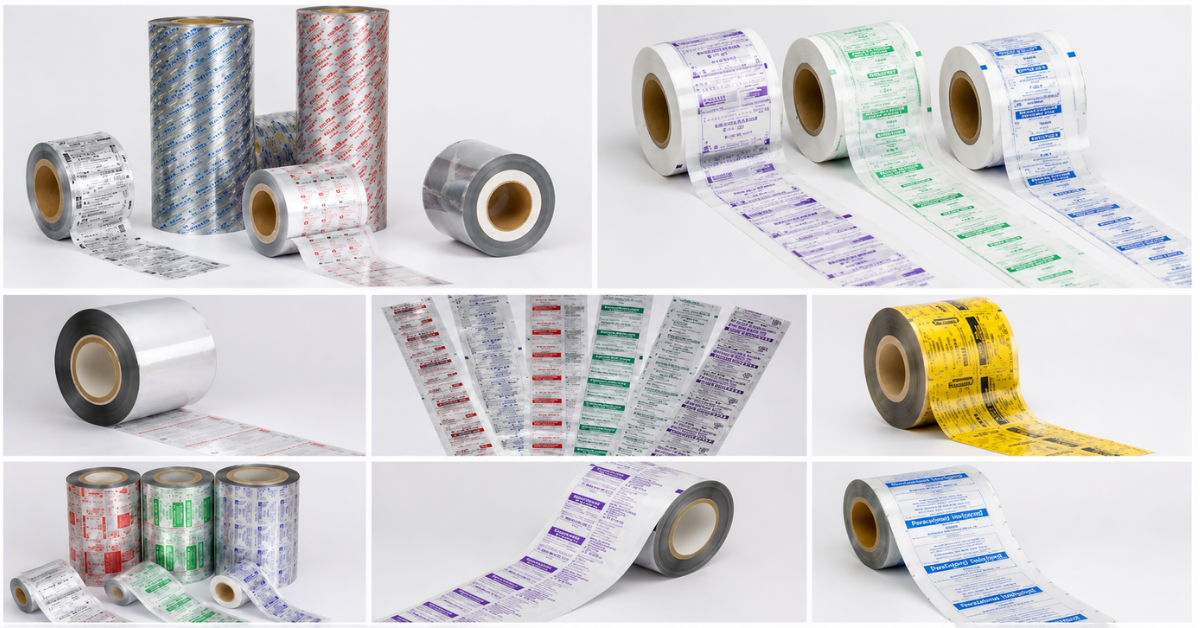
Quality films help in maintaining the drug’s efficacy during transportation. They are engineered to survive diverse climates and rough handling. This ensures that medications remain unscathed, reaching patients in their intended form. High-grade poly films do much more than just contain a product; they safeguard its very essence.
Key Properties of Medical Grade Poly Film
Medical grade poly films are essential for pharmaceutical packaging. They possess specific properties to meet rigorous standards. These films are chemically inert, ensuring they won’t react with drugs.
One vital property is their barrier capability. They effectively block moisture, oxygen, and UV light. This helps maintain the drug’s integrity over its shelf life.
Durability is another key feature. Medical poly films resist punctures and tears, providing a reliable protective layer. They withstand handling and mechanical stresses encountered during distribution.
Further characteristics include:
- Non-reactivity with drug compounds
- High barrier to contaminants
- Robust resistance to physical damage
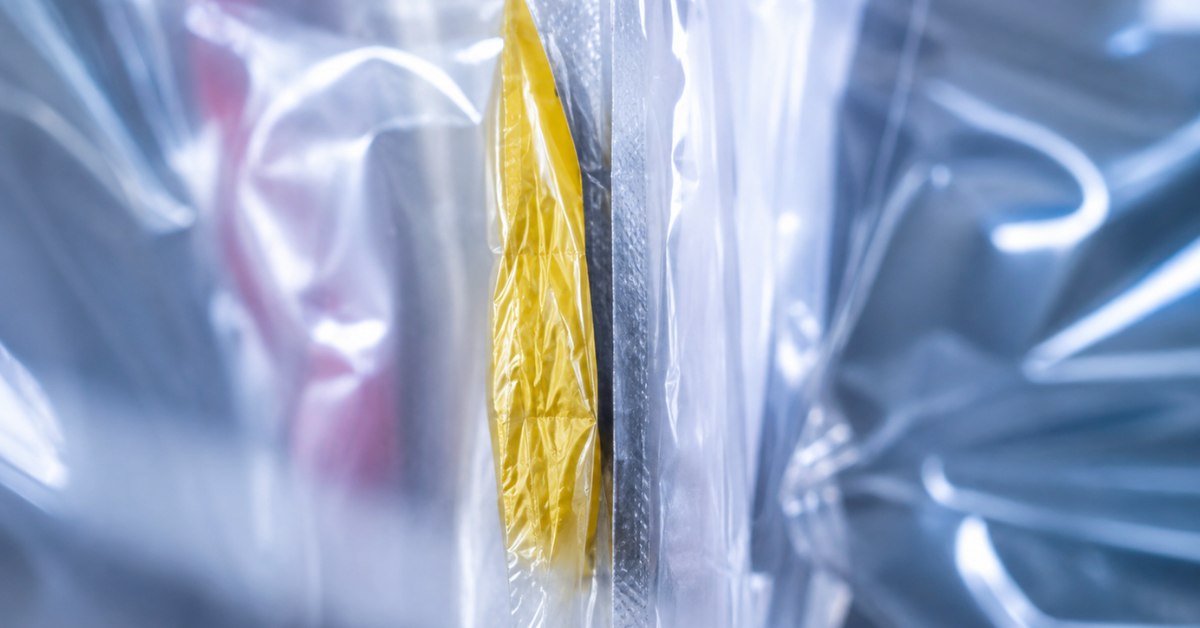
Moreover, these films offer clarity for easy inspection and identification. This transparency is crucial for verifying the contents without opening the package. Medical grade poly films are a cornerstone of safe, effective pharmaceutical distribution. They ensure that medicines remain potent and safe for patient use.
Types of Pharmaceutical Polymers Used in Packaging
Pharmaceutical packaging relies on advanced polymers tailored for drug stability. These pharmaceutical polymers are chosen based on their protective properties and compatibility with the drug.
Commonly used polymers include Polyethylene (PE) and Polypropylene (PP). These materials are favored for their toughness and excellent barrier capabilities. They are ideal for keeping out moisture and oxygen.
Polyvinyl Chloride (PVC) is also widely used. It is transparent and provides excellent formability, crucial for blister packaging. Ethylene Vinyl Alcohol (EVOH) offers superior gas barrier properties, protecting sensitive products.
Other key polymers in pharmaceutical packaging include:
- Polyethylene Terephthalate (PET)
- Polyvinylidene Chloride (PVDC)
- Polystyrene (PS)
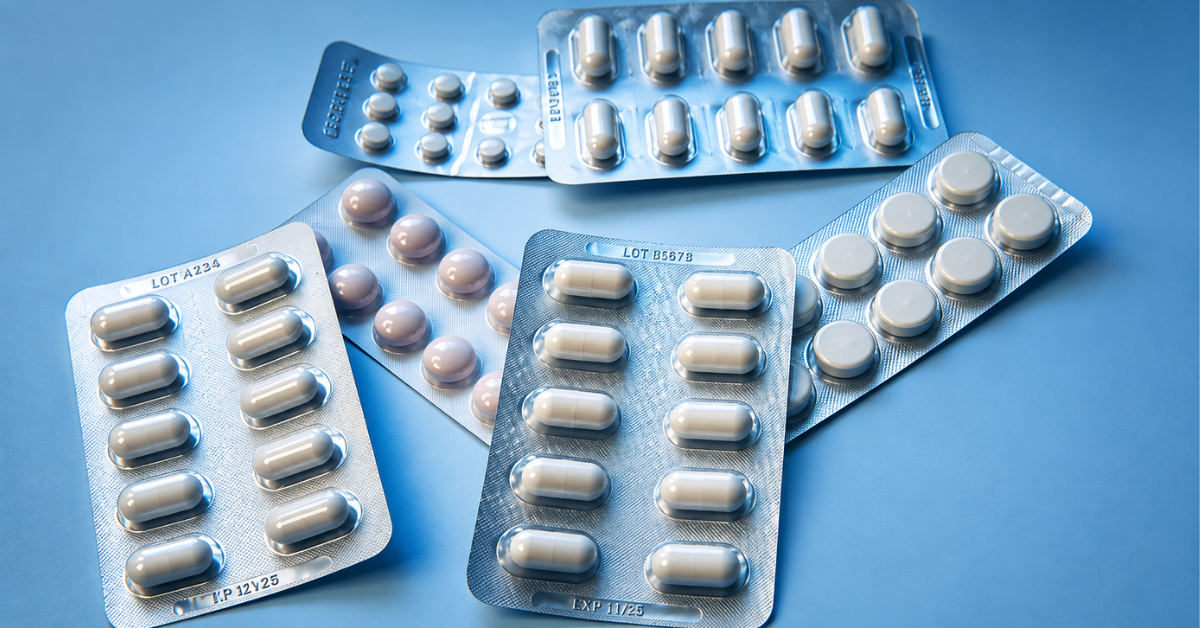
Each polymer serves a unique role, balancing durability and protection. They ensure that pharmaceutical packaging remains effective throughout transport and storage. By selecting the right polymer, packaging manufacturers can enhance the safety and longevity of medications.
Applications of Pharma Grade Poly in Pharmaceutical Packaging
Pharma grade poly films play a crucial role in various packaging formats. They provide essential protection for a wide array of pharmaceutical products. These films help ensure drugs remain safe and effective until use.
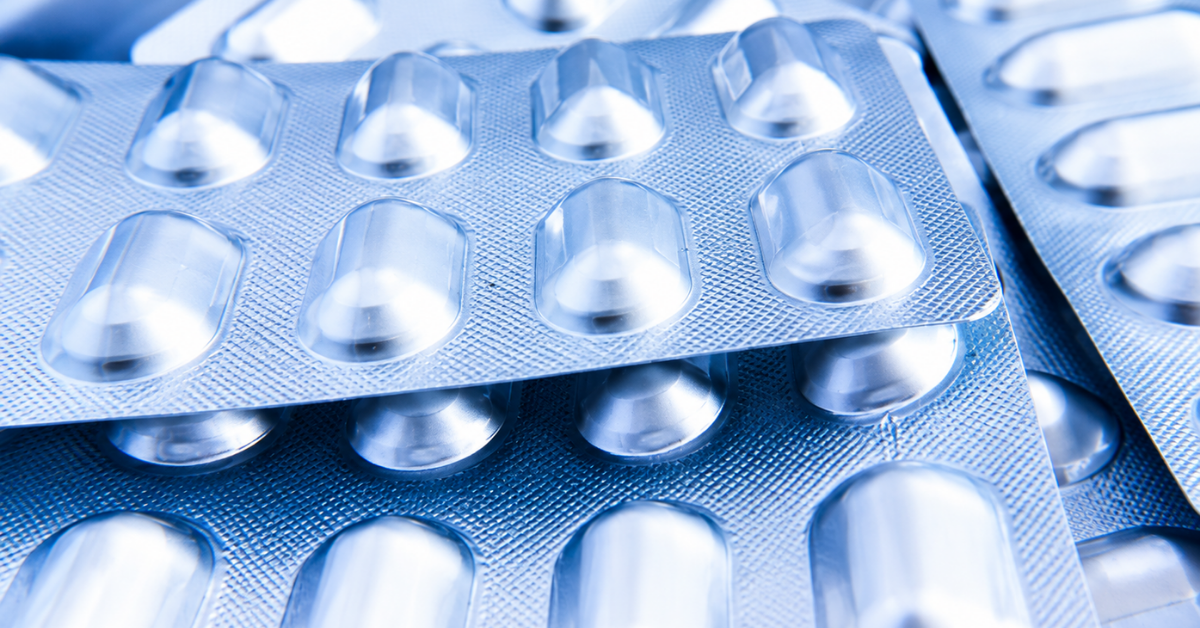
Blister packs are a common application for pharma grade poly. They protect individual doses from moisture and contaminants. These packs offer convenience and security to both patients and healthcare providers.
Another widespread application is in the creation of sachets, pouches, and pharmaceutical packaging bags. These packaging formats are widely used for liquid medications, powders, and other healthcare products. Pharma grade poly films help ensure the contents remain uncontaminated, moisture-resistant, and fresh throughout storage and transportation.
Pharma grade poly is also integral in:
- Bottles
- Syringes
- IV bags
- Ampoules
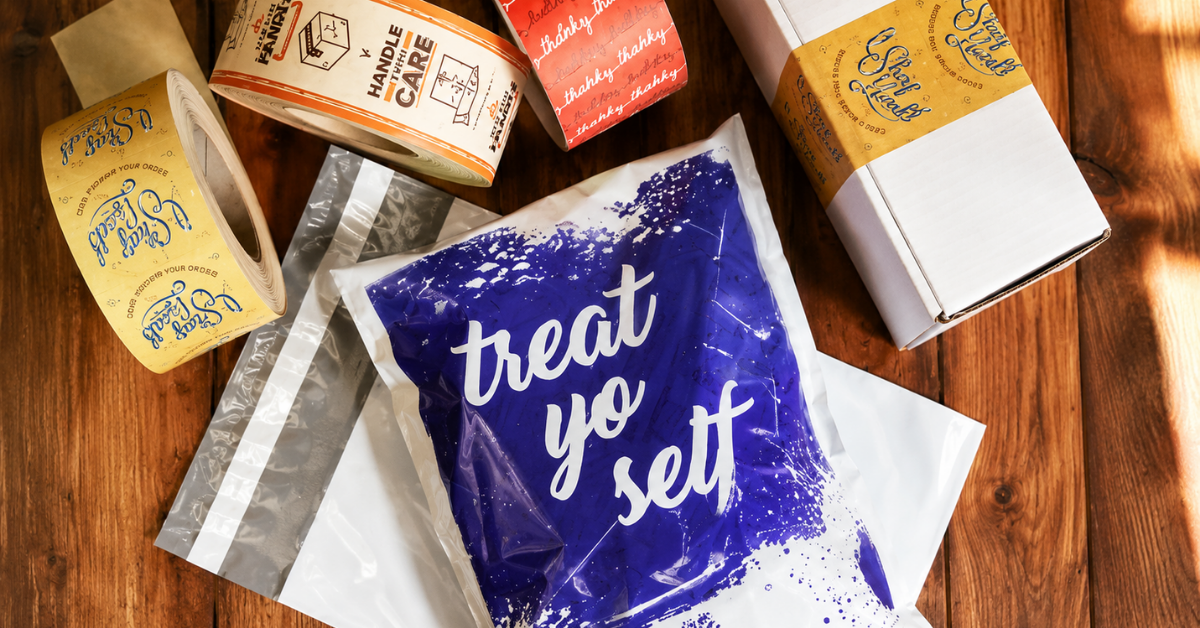
In addition, poly films are used in secondary packaging. This includes boxes and sleeves, providing extra layers of protection. The versatility of pharma grade poly ensures it meets the demands of modern pharmaceutical packaging solutions, safeguarding drug efficacy and safety across many formats.
Benefits of Using High-Quality Poly Films in Pharma Packaging
High-quality poly films offer numerous benefits in pharmaceutical packaging. They provide robust barriers against environmental elements. This protection is crucial for maintaining drug safety and efficacy throughout their shelf life.
Additionally, these films help extend the product’s longevity. By preventing exposure to oxygen, moisture, and UV light, they preserve the medication’s integrity. This leads to fewer product recalls and increased patient safety.
Moreover, high-quality poly films enhance the overall packaging design. They offer clarity and transparency, which aids in product inspection and increases consumer trust. These aesthetic qualities are vital in establishing brand image and recognition.
Some key benefits include:
- Enhanced moisture and gas barrier
- Superior strength and durability
- Excellent clarity for visibility
- Protection against contaminants
- Improved consumer appeal
In essence, pharma grade poly films are indispensable. They play a fundamental role in securing pharmaceutical products, delivering quality and safety to consumers worldwide.
Regulatory Standards and Compliance for Pharmaceutical Packaging Materials
Pharmaceutical packaging must adhere to strict regulatory standards. These regulations ensure the safety and efficacy of the drugs enclosed. Packaging materials need rigorous evaluation to meet these standards.
Organizations like the FDA and ISO play critical roles. They set guidelines for material safety, quality, and manufacturing processes. Compliance with these standards is crucial for market approval.
Failure to comply can lead to severe consequences. These include product recalls, financial losses, and damage to reputation. Therefore, manufacturers invest significantly in ensuring regulatory compliance.
Key regulatory considerations include:
- Material safety and non-reactivity
- Packaging integrity and durability
- Labeling accuracy and clarity
- Process control and quality assurance
In summary, adhering to regulatory standards is non-negotiable. It ensures that pharmaceutical products reach consumers in safe and effective packaging.
Innovations and Trends in Pharmaceutical Packaging Film
The pharmaceutical packaging industry is continuously evolving. Innovations in packaging film are driving these changes. These advancements aim to improve safety, efficiency, and sustainability.
Smart packaging technologies are gaining traction. Such technologies incorporate features like temperature sensors and tamper-evident designs. These innovations help ensure product quality throughout the supply chain.
Sustainable materials are another area of focus. The industry is exploring biodegradable and recyclable options. This shift aligns with global efforts to reduce environmental impact.
Emerging trends include:
- Use of nanotechnology for enhanced barrier properties
- Development of tamper-evident packaging
- Integration of smart technologies for tracking and monitoring
- Adoption of eco-friendly materials
In essence, these trends not only meet existing demands but also anticipate future challenges. They showcase the industry’s commitment to innovation for better health outcomes.
Sustainability and the Future of Pharmaceutical Packaging Solutions
Sustainability in pharmaceutical packaging is more critical than ever. The industry faces pressure to minimize environmental impacts. Manufacturers are investing in green packaging solutions to address this.
Biodegradable materials are gaining popularity. These materials break down quickly and reduce landfill waste. Recyclable options are also in high demand as eco-friendly choices.
Key sustainable practices include:
- Reducing material usage
- Implementing energy-efficient production methods
- Encouraging recycling and reuse
- Reducing carbon footprints through optimized transportation
Future packaging solutions will likely integrate these sustainable practices. This shift will help balance regulatory needs with environmental responsibilities. As the world moves towards a greener future, packaging innovations will play a key role in achieving sustainability goals.
How to Choose the Right Pharma Packaging Manufacturer
Selecting the ideal pharma packaging manufacturer is critical. It affects product safety and compliance with stringent regulations. Look for manufacturers with a proven track record in the industry.
Considerations when choosing a manufacturer should include:
- Certification and compliance with international standards
- Technological capabilities and innovation
- Experience with pharmaceutical packaging solutions
- Commitment to quality control and customer service
Assessing these factors ensures you partner with a manufacturer that understands your needs. The right manufacturer will provide reliable, high-quality poly films, ensuring your products remain safe and effective throughout their lifecycle.
Conclusion: The Critical Role of Pharma Grade Poly in Safe and Effective Pharmaceutical Packaging
Pharma grade poly is essential in ensuring the safety and efficacy of medicines. These high-quality films protect against contamination and degradation.
Choosing the right materials and manufacturer is vital for success. Reliable pharmaceutical packaging maintains drug integrity and enhances patient safety, marking the critical role of pharma grade poly in this field.