
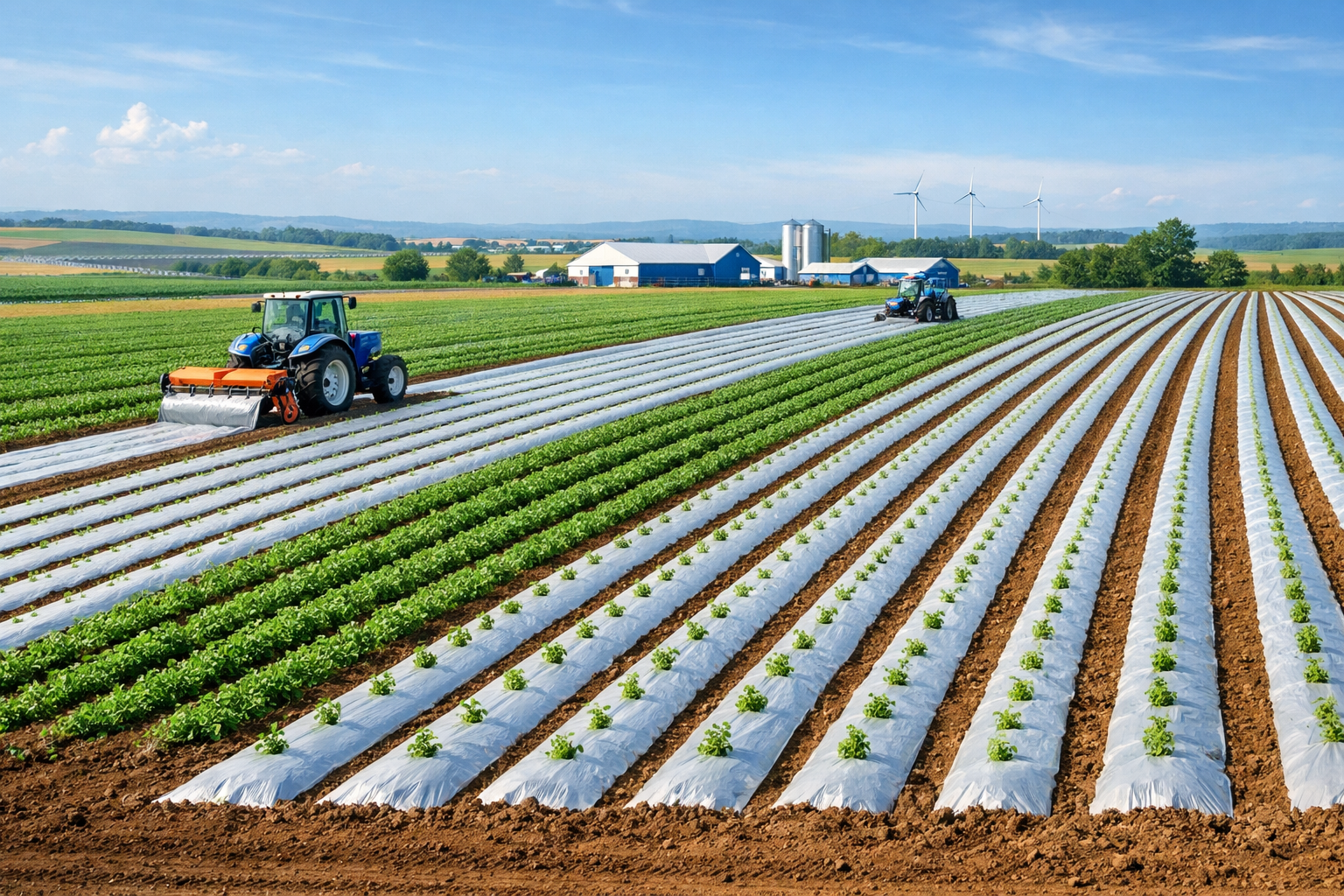
Agriculture is facing a pivotal transformation. As commercial farms grow in scale, the environmental impact of traditional plastic films is becoming increasingly concerning. While conventional plastics provide essential protection for crops, they contribute to persistent soil contamination and generate significant disposal challenges. Modern farms are increasingly adopting biodegradable agricultural films to maintain productivity while reducing long-term environmental impact, enabling large-scale farms to embrace sustainability.
The Shift Toward Sustainable Crop Protection
The demand for environmentally responsible farming practices is driving innovation in crop protection materials. Biodegradable films are engineered to perform like traditional plastics during the growing season, offering weed suppression, moisture retention, and pest control. However, unlike conventional films, they decompose naturally in soil after their functional period, leaving minimal residue and eliminating post-harvest disposal requirements.
For B2B operations managing large fields, this shift is particularly advantageous. By adopting biodegradable films, farms can streamline operations, reduce labor costs, and align with environmental regulations, all while maintaining consistent crop protection.
How Biodegradable Films Meet Commercial Farming Needs
Large-scale farms face unique challenges, from managing labor across extensive acreage to ensuring compliance with environmental regulations. Biodegradable films address these challenges in several ways:
Operational Efficiency: Eliminates the need for collecting and disposing of used films, saving time and labor.
Environmental Compliance: Supports adherence to government regulations restricting single-use plastics.
Sustainable Branding: Provides an opportunity for farms to market produce as eco-friendly, appealing to conscious buyers.
Reliable Crop Protection: Maintains all protective benefits of traditional films, ensuring crops remain healthy and productive.
By combining operational and environmental benefits, biodegradable films become a strategic choice for commercial agriculture.
Primary Applications in Large-Scale Agriculture
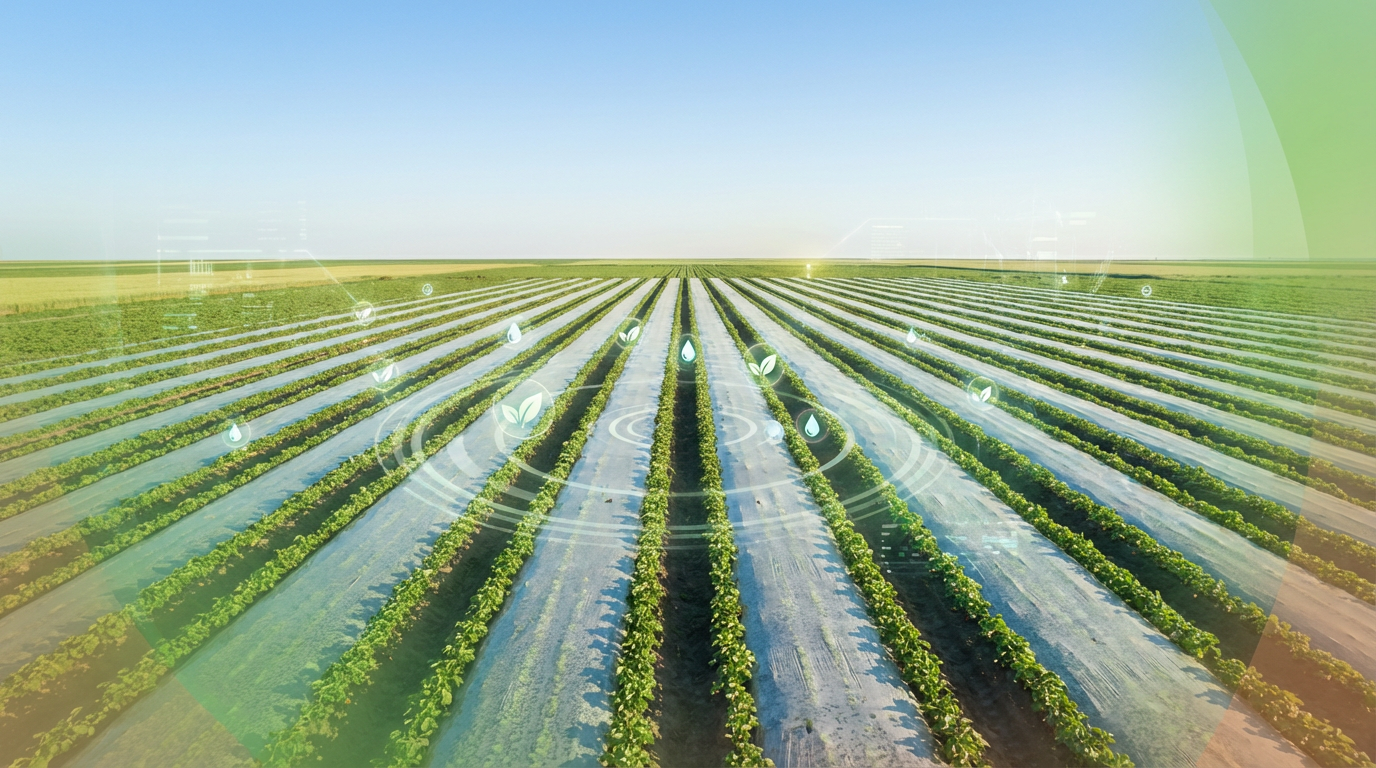
Biodegradable films are versatile tools for modern farming practices. They are commonly used in:
- Vegetable and Fruit Mulching: Reduces weed growth, retains soil moisture, and regulates temperature for high-value crops.
- Low Tunnel Coverage: Protects seedlings and young plants from frost, pests, and environmental stress.
- Extending Growing Seasons: Creates controlled microclimates for early planting or late harvesting.
- Organic and Sustainable Farms: Supports soil health and compliance with organic certification standards.
These applications demonstrate the practical scalability of biodegradable agricultural films in B2B agricultural operations.
Best Practices for Maximizing Film Performance
Proper application and monitoring are essential to ensure optimal results from biodegradable films:
- Soil Preparation: Level fields and remove debris to ensure proper adhesion and coverage.
- Anchoring: Secure edges with soil, stakes, or clips to prevent wind displacement.
- Support Structures: Use frames or arches for low tunnels to maintain coverage and airflow.
- Inspection: Regularly check for tears or displacement to maintain consistent protection.
- Natural Decomposition: Post-harvest removal is generally unnecessary, allowing labor savings and soil integration.
Following these practices ensures the film performs effectively throughout the crop lifecycle.
Challenges in Large-Scale Implementation
Even high-quality biodegradable films require careful management. Commercial farms should be aware of potential challenges:
- Premature Degradation: Environmental factors like excessive moisture or high microbial activity can accelerate breakdown.
- Film Selection Mistakes: Using short-term films for long-season crops may compromise protection.
- Installation Errors: Improper tension or loose edges reduce effectiveness.
- Quality Consistency: Ensuring bulk procurement maintains uniform performance is essential for large fields.
Addressing these considerations allows farms to fully leverage the benefits of biodegradable films.
Looking Ahead: Biodegradable Films as Standard Practice
Innovation in biodegradable films continues to expand their applications, durability, and cost-effectiveness. Advances in UV stabilization, tear resistance, and controlled degradation timelines are making these films suitable for multiple crop cycles and diverse environmental conditions. For commercial farms, adopting biodegradable films now positions them ahead of regulatory changes, enhances operational efficiency, and supports long-term sustainability initiatives.
Conclusion
Biodegradable films are set to redefine crop protection for large-scale commercial agriculture. By replacing traditional plastics, these films reduce environmental impact, save labor, ensure compliance, and maintain crop health. For B2B farming operations, this technology represents not only a sustainable choice but a strategic investment in operational efficiency and market competitiveness. As the agricultural sector continues to embrace sustainability, biodegradable agricultural films will play a central role in shaping the future of modern, responsible farming.