
In manufacturing, delivering a flawless product is just as important as producing it. However, a product’s journey doesn’t end when it leaves the production line. During packaging, storage, transportation, and installation, finished surfaces are exposed to scratches, abrasions, dust, and accidental impacts that can reduce product quality and lead to costly rework or replacements. This is why protecting surfaces throughout the supply chain has become a critical part of quality assurance.
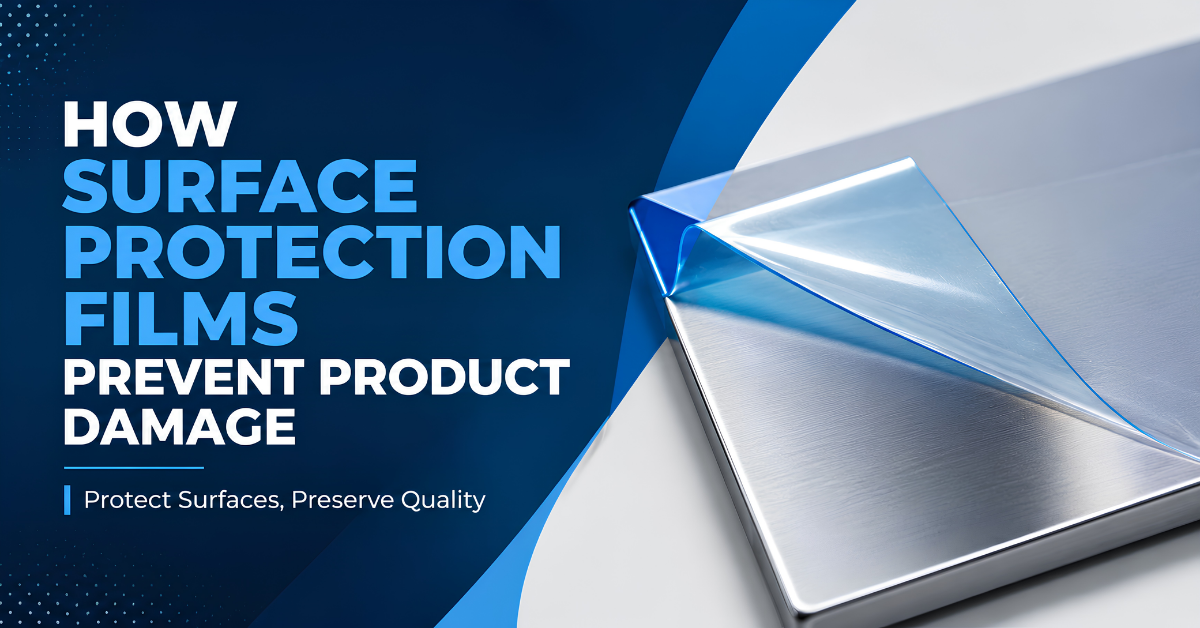
Surface protection films provide a practical solution by acting as a temporary barrier between the product and external elements. Designed to protect materials such as glass, metal, plastic, decorative panels, and stone, these films help preserve the original finish until the product reaches its final destination. Once the job is complete, they can be removed cleanly without leaving adhesive residue when the correct film is selected for the application.
Whether you’re a manufacturer, fabricator, or procurement professional, understanding how protective films work can help you reduce product damage, improve customer satisfaction, and lower operational costs. This guide explains why surface damage occurs, how surface protection films prevent it, and what to consider when choosing the right solution for your products.
Why Surface Damage Is a Common Manufacturing Challenge
Many businesses focus on preventing defects during production but overlook the risks that arise after manufacturing. Finished products often pass through multiple stages before reaching the customer, including packaging, warehousing, transportation, unloading, and installation. Every step increases the possibility of cosmetic damage, especially when products are handled repeatedly or stored in demanding environments.
Even small scratches or abrasions can affect the perceived quality of a product. For industries that manufacture decorative panels, glass, appliances, acrylic products, or coated metal surfaces, appearance is often a key selling point. A minor surface mark may result in customer complaints, rejected deliveries, or expensive replacement costs, even if the product remains fully functional.
The financial impact extends beyond replacing damaged goods. Manufacturers may also face additional labour costs for rework, delays in project timelines, increased quality inspections, and unnecessary material waste. Protecting finished surfaces before damage occurs is often far more cost-effective than repairing products later.
How Surface Protection Films Prevent Product Damage
Unlike permanent coatings, surface protection films are designed for temporary use during manufacturing, storage, transportation, and installation. They adhere securely to the surface, creating a protective layer that shields the product from everyday wear while allowing easy removal once protection is no longer required.
One of their primary functions is preventing scratches and abrasions caused by contact with machinery, packaging materials, tools, or other products. Instead of the finished surface absorbing this damage, the protective film takes the impact, helping preserve the product’s original appearance.
These films also act as a barrier against dust and dirt, keeping products clean while they move through warehouses or construction sites. This is particularly valuable for products with polished or decorative finishes, where cleanliness directly influences customer perception.
Many protective films are also suitable for environments where products may encounter temporary exposure to sunlight or chemicals. Depending on the application, manufacturers can choose films that offer UV resistance, chemical resistance, and enhanced durability against punctures and tears, ensuring reliable protection throughout the supply chain.
Businesses looking for temporary protection solutions across different materials can explore a range of surface protection films designed for various industrial applications.
Industries That Benefit from Surface Protection Films
Surface protection films are used across a wide range of industries because many finished products require temporary protection before reaching the end user. Although the materials differ, the objective remains the same: preserving product quality while reducing damage during handling and transportation.
In the construction industry, protective films are commonly applied to glass, decorative panels, countertops, stone surfaces, and elevators. These products often remain exposed during installation, where tools, equipment, and ongoing construction work can accidentally damage finished surfaces.
Manufacturers of metal components and plastic products, including FRP sheets and polycarbonate sheets, also rely on protective films to reduce scratches and abrasions during fabrication, packaging, and shipping. Likewise, industries producing acrylic bathtubs, appliances, and other premium products use temporary films to ensure customers receive products in excellent condition.
Because every material has different characteristics, selecting the right protective film is essential. Factors such as surface type, texture, environmental exposure, and the expected protection period all influence which solution will provide the best results.
How to Choose the Right Surface Protection Film
Choosing the right surface protection film involves more than selecting a standard protective layer. Different materials, surface finishes, and operating environments require films with specific adhesive properties and performance characteristics. A film that works well for smooth glass may not provide the same results on textured plastic or coated metal surfaces.
The first consideration is the surface material. Protective films are commonly used on glass, metal, plastic, decorative laminates, stone, carpets, and other finished surfaces. Since each material reacts differently to adhesives, selecting a compatible film helps ensure reliable protection and clean removal without damaging the surface.
Surface texture also plays an important role. Glossy, matte, smooth, and embossed finishes require different levels of adhesion to stay securely in place during handling while remaining easy to remove after installation.
Manufacturers should also consider the environment in which the product will be stored or transported. Products exposed to sunlight, heat, or chemicals may require films with UV or chemical resistance to maintain their protective performance. Finally, determining whether protection is needed for a few days or several months helps in selecting a film suitable for the required duration.
Key Features of an Effective Surface Protection Film
Not all protective films are designed for the same applications, but several features contribute to reliable performance across industries.
A quality protective film should resist scratches, punctures, and tears, allowing it to withstand everyday handling without exposing the product beneath. This helps preserve the original finish during manufacturing, transportation, and installation.
Another important feature is clean removal. When the appropriate film is selected, it should peel away easily without leaving adhesive residue on the surface. This reduces cleaning time and ensures the product is ready for immediate use or installation.
Many protective films are also available in different colours, widths, and thicknesses, making it easier for manufacturers to match the film to specific production requirements. Depending on the application, businesses may also choose films that provide UV resistance and chemical resistance for additional protection in demanding environments.
By selecting the right combination of film properties, manufacturers can improve product quality while reducing the risk of damage throughout the supply chain.
Best Practices for Maximum Product Protection
Surface protection films perform best when they are used as part of a broader quality control process rather than as a standalone solution.
Applying the film immediately after the finishing process minimizes the chance of scratches or dust settling on the surface before packaging. Waiting until later stages increases the risk of accidental damage before protection is applied.
It is equally important to keep the protective film in place until the product has completed transportation and installation. Removing it too early exposes finished surfaces to unnecessary risks during handling and on-site work.
Manufacturers should also ensure that the surface is clean and dry before application. Dust or debris trapped beneath the film can reduce adhesion and limit its effectiveness. Regularly reviewing handling and packaging procedures can further reduce damage by identifying areas where products experience the most wear.
Combining protective films with proper packaging, careful handling, and suitable storage practices creates a more comprehensive product protection strategy.
Common Product Damage and How Protective Films Help
| Challenge | How Surface Protection Films Help |
|---|---|
| Scratches | Prevent direct contact with finished surfaces during handling. |
| Abrasion | Reduce wear caused by friction during transportation and storage. |
| Dust and Dirt | Keep products clean before installation or delivery. |
| Transportation Damage | Minimize surface marks caused by movement and repeated handling. |
| Warehouse Storage | Protect products while awaiting shipment or installation. |
| Installation Activities | Shield finished surfaces until construction or installation is complete. |
Conclusion
Maintaining product quality doesn’t stop when manufacturing ends. Finished products continue to face risks throughout storage, transportation, and installation, where scratches, abrasions, dust, and handling damage can affect both appearance and customer satisfaction.
Surface protection films provide a simple yet effective solution by creating a temporary barrier that preserves finished surfaces until products reach their final destination. When selected according to the material, surface texture, environmental conditions, and intended application, these films help reduce damage while allowing clean removal after use.
For manufacturers, fabricators, and distributors, investing in the right protective film supports consistent product quality, reduces costly rework and replacements, and improves operational efficiency. As customer expectations continue to rise, incorporating surface protection into manufacturing and logistics processes has become an essential step in delivering products that arrive in the same flawless condition in which they were produced.