
What Is an LDPE Bag?
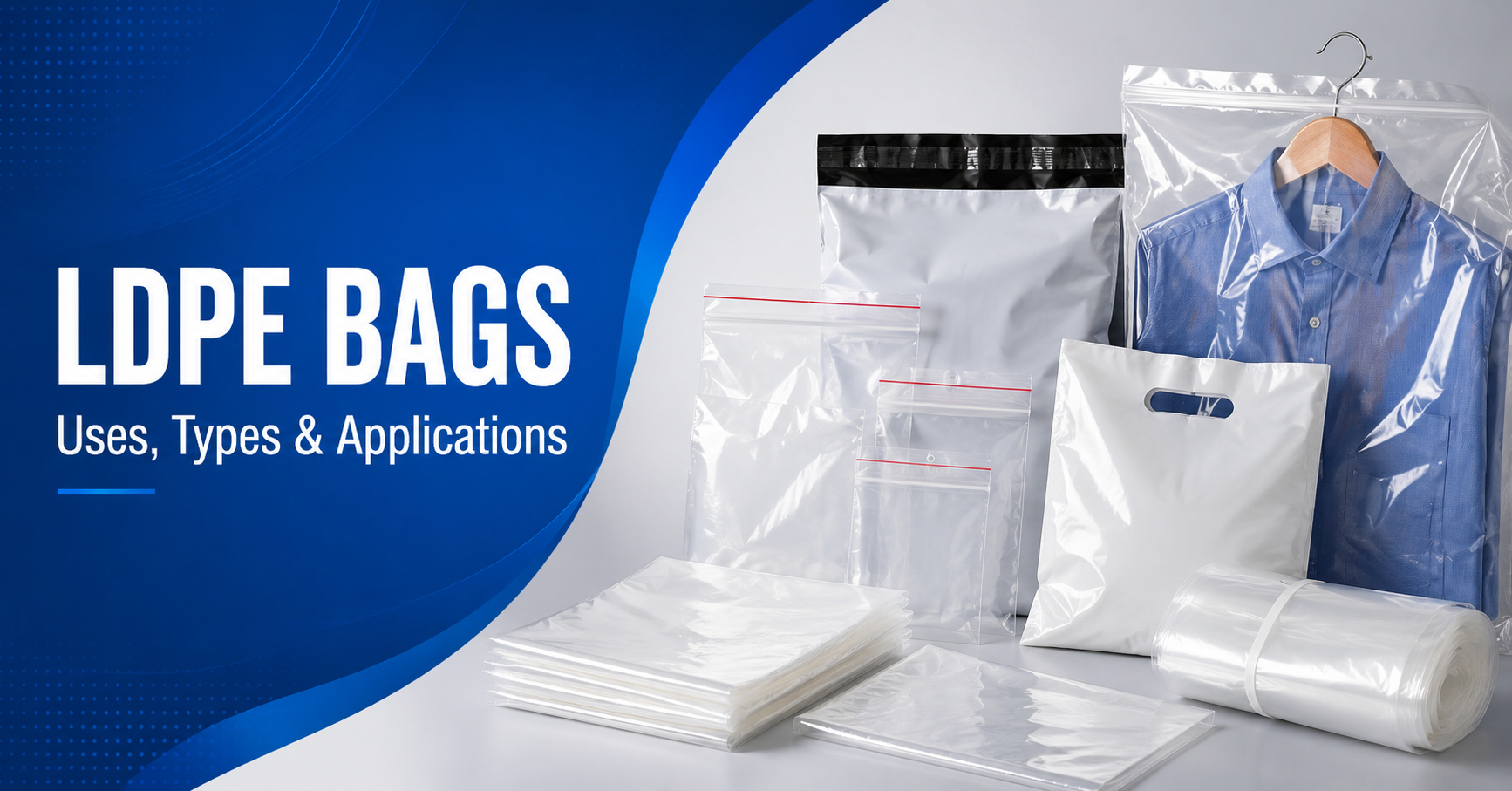
LDPE bags are manufactured from low-density polyethylene resin, a flexible polyethylene material made from ethylene. In technical terms, low density polyethylene ldpe has a branched molecular structure, which gives it lower density, softness, stretch, and clarity compared with high density polyethylene. An LDPE bag is therefore a plastic bag made from LDPE film, commonly used for packaging and storage across different industries.
Typical density is about 0.910–0.940 g/cm³. Commercial low density polyethylene bags may range from thin films around 25 microns to heavy-duty 150-micron films, or roughly 1–6 mil, depending on weight, width, load, and handling. LDPE has a lower melting point of 239 °F, so standard bags are not designed for intense heat.
Such bags are usually supplied as flat open-top bags, side-gusseted bags, tubing, wicketed stacks, individual packs, or rolls-on-core. Visually, LDPE is clear to translucent, often glossy, soft in the hand, and quieter than crinkly HDPE plastic bags. LDPE bags maintain strength and clarity over time, especially when stored away from excessive heat and UV exposure. They are one subset of poly bags, alongside hdpe bags and lldpe bags made with linear low density polyethylene.
Core Advantages of LDPE Poly Bags for Modern Packaging
LDPE became a preferred choice in modern packaging because it balances cost, durability, and ease of conversion. LDPE is widely utilized in packaging and storage because it can be made into lightweight, flexible, durable bags without requiring complex forming equipment. LDPE bags use less energy during production than other plastics in many applications because the material processes at relatively low temperatures.
The main feature is clarity. LDPE provides better transparency than denser plastics, helping customers inspect retail products, food, industrial parts, garments, and other items without opening the bag. This is useful in retail display, barcode scanning, and quality checks.
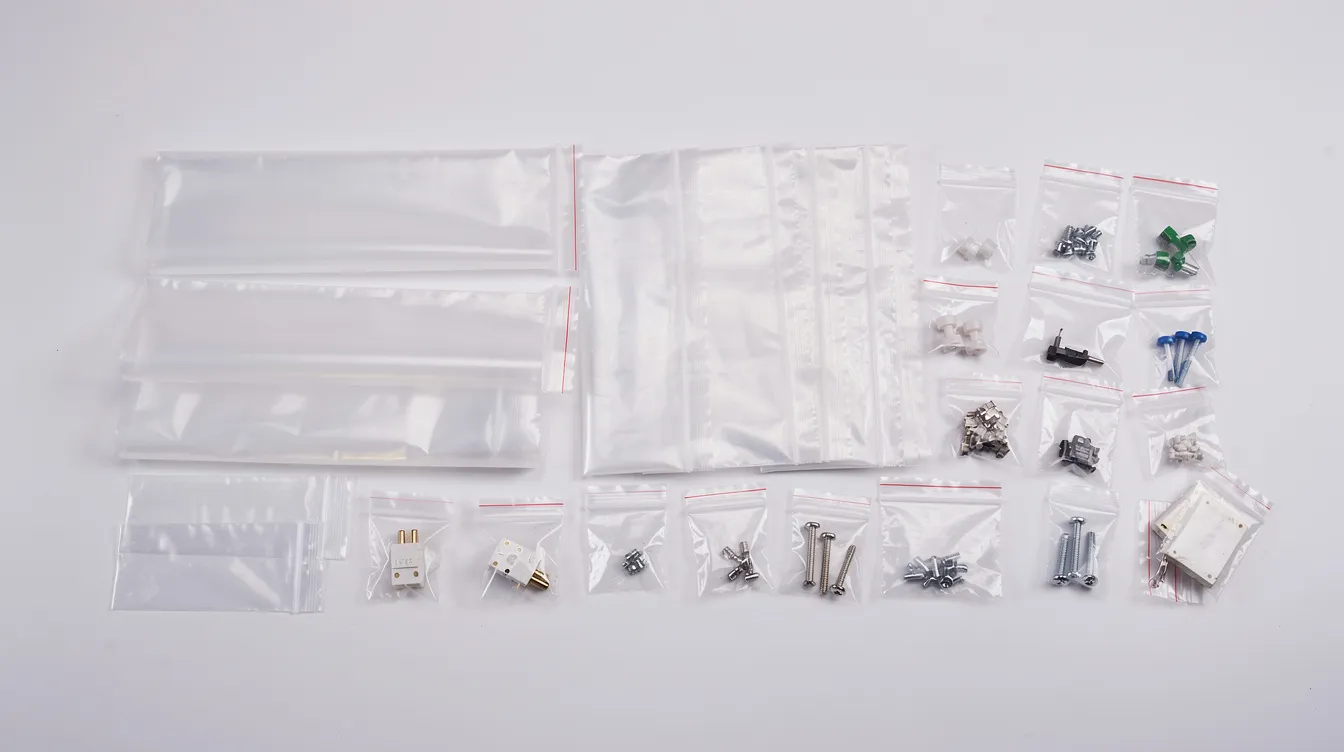
LDPE bags are soft and stretchable, making them ideal for retail use and for packaging delicate items. The film conforms around irregular shapes, which helps when packing electronic components, small hardware, medical devices, or textile products. LDPE bags are also lightweight and tear-resistant at the right thickness, giving useful toughness without adding unnecessary material.
Barrier performance is another reason LDPE remains widely used. LDPE bags provide excellent moisture barrier properties, and LDPE bags provide excellent moisture retention properties when the goal is to protect contents from drying or humidity changes. They also offer basic chemical resistance to many mild chemicals, although HDPE provides better chemical resistance than LDPE in harsher conditions.
LDPE bags can be heat-sealed, perforated, punched, zip-closed, or printed. Tilak Polypack supplies LDPE bags in custom sizes, various sizes, thicknesses, different colors, and printing options for specific requirements across food, cleanroom, retail, and industrial markets.
Key Takeaways
- LDPE bags are flexible, transparent, moisture-resistant poly bags widely used in food packaging, cleanroom applications, retail, and industrial packaging.
- LDPE poly bags differ from HDPE bags mainly in softness, clarity, and typical thickness, so each material is better suited to different applications.
- Modern LDPE bag manufacturing includes extrusion, printing, cutting, and heat sealing, with quality control measures at every production stage.
- LDPE bags carry recycling number 4, are recyclable, and buyers increasingly ask for recycled-content or downgauged options to reduce plastic use.
- Choosing the right bag means defining size, gauge, closure, cleanliness level, printing, and regulatory compliance for the intended industry.
LDPE vs HDPE Bags: How to Choose the Right Poly Bag
LDPE and HDPE bags are both polyethylene bags, but they are not interchangeable. LDPE is softer and more flexible than HDPE, while HDPE is stiffer, noisier, and more opaque. LDPE bags differ from HDPE primarily in their flexibility and transparency, making LDPE suitable where appearance and gentle handling matter.
HDPE is more rigid and puncture-resistant than LDPE at comparable thin gauges, and HDPE has a higher melting point of 275 °F. That makes HDPE useful for grocery sacks, rigid loads, and some heavy industrial liners. LDPE performs better where sealability, softness, and transparent presentation are more important.
Typical context helps:
| Factor | LDPE bags | HDPE bags |
| Feel | Soft, flexible | Stiff, crinkly |
| Clarity | Clearer | Milky or opaque |
| Common thickness | 40–100 microns for specialty use | 10–30 microns for many carry bags |
| Recycling code | 4 | 2 |
LDPE bags are commonly used as grocery bags and T-shirt bags in some markets, though HDPE bags are also very common for supermarket carry use. LDPE is common for small food pouches, electronics, cleanroom packs, and flexible retail packaging. HDPE is often selected for industrial liners where stiffness matters.
Recycling also differs. LDPE carries recycling number 4; HDPE carries number 2. HDPE is easier to recycle than LDPE because rigid and heavier streams are often simpler to sort. LDPE bags are more difficult to recycle than HDPE bags, LDPE bags frequently get caught in recycling machinery, and LDPE bags are recyclable but cannot be recycled with HDPE. Tilak Polypack can help match LDPE or HDPE specifications to product weight, handling, and compliance needs.
Types of LDPE Bags and Common Applications
LDPE poly bags come in a wide range of formats, from simple open-mouth packaging to engineered bags for controlled environments. The choice depends on the product, filling method, closure, storage conditions, and quantity required.
Common formats include flat open-top bags for general packing, side-gusseted LDPE bags for bulkier products, bottom-gusseted stand-up styles, and LDPE liners for drums, cartons, bins, or crates. Functional options include zip lock closures, slider closures, self-adhesive flaps, wicketed bags for fast dispensing, perforated tear-off rolls, vent holes, and micro-perforations.
Printed LDPE bags are highly demanded in the market because printed designs on LDPE bags enhance brand marketing efforts. They provide important information like brand name and product details, along with batch codes, barcodes, instructions, or safety markings. Customization options for printed LDPE bags are widely available, and printed LDPE bags can be transparent or opaque in nature.
Typical applications include bakery packaging, fresh produce in vented LDPE bags, garment and textile bags, document bags, spare-parts packs, and transparent poly bags for components with printed barcodes. In industrial packaging, LDPE protects industrial parts from dust, moisture, and handling scratches. Tilak Polypack supplies general-purpose LDPE bags as well as bags for food, electronics, life sciences, and other regulated industries.
LDPE Bags for Food Packaging
LDPE bags are widely used for food packaging because LDPE is non toxic when produced from approved resin and handled under hygienic conditions. LDPE is safe for direct food and pharmaceutical contact when the bag is manufactured from certified, application-appropriate material and supported by documentation. In the U.S., food-contact olefin resins are addressed under FDA 21 CFR 177.1520, while the EU regulates plastic food-contact materials through Regulation (EU) No 10/2011.
Food packaging formats include bread bags, transparent dry-snack bags, produce bags, chilled produce liners, and inner liners for cartons of bulk ingredients. The key requirements are odor neutrality, migration safety, seal integrity, moisture proof performance, hygiene, and suitable clarity so the food remains visible.
For fruits and vegetables, LDPE bags can be micro-perforated or designed with breathing holes to manage condensation and gas exchange. For branded food packs, Tilak Polypack can provide custom-printed LDPE food bags with high-contrast inks for nutritional details, batch information, and retail branding.
There are limits. Standard LDPE is not recommended for oven or microwave exposure, and it can soften above roughly 80–90°C. Standard LDPE is also less suitable for long-term deep-freeze unless special blends or coextrusions are selected. Food-contact-approved resins and hygienic manufacturing conditions should always be specified.
Cleanroom and High-Purity Applications of LDPE Poly Bags
Cleanrooms are controlled environments where airborne particles, microbial load, and contamination risk are tightly managed. ISO Class 5–8 cleanrooms, defined under ISO 14644-1, are common in medical device manufacturing, pharmaceutical production, semiconductor assembly, and electronics. LDPE bags are suitable for cleanroom applications because the film can be produced cleanly, sealed reliably, and supplied with controlled documentation.
LDPE bags are often produced in ISO-certified environments, and LDPE bags are ISO-certified for cleanroom applications when supplied under the relevant cleanroom manufacturing and testing program. LDPE bags are designed to prevent contamination in cleanrooms by reducing exposure to dust, moisture, aerosols, and handling contact. Cleanroom-grade bags are often made from virgin, non-animal materials and low-additive resin to reduce extractables and particle generation.
Typical cleanroom uses include sterile environments for medical packaging, diagnostic kits, medical devices, pharmaceutical products, pharmaceutical components, sensitive products, semiconductor wafers, and sensitive electronic components. LDPE bags are suitable for semiconductor and pharmaceutical products where cleanliness, traceability, and batch control are critical.
A common workflow is simple: medical devices are cleaned, sterilized, double-bagged in LDPE cleanroom bags, heat-sealed, and moved between zones. The outer bag is removed before entry into a higher-grade cleanroom. Tilak Polypack manufactures LDPE bags under controlled conditions for life sciences and electronics customers, with thickness, dimensions, and closure style selected to protect product integrity during transport and storage.
Inside the Manufacturing Process of LDPE Bags
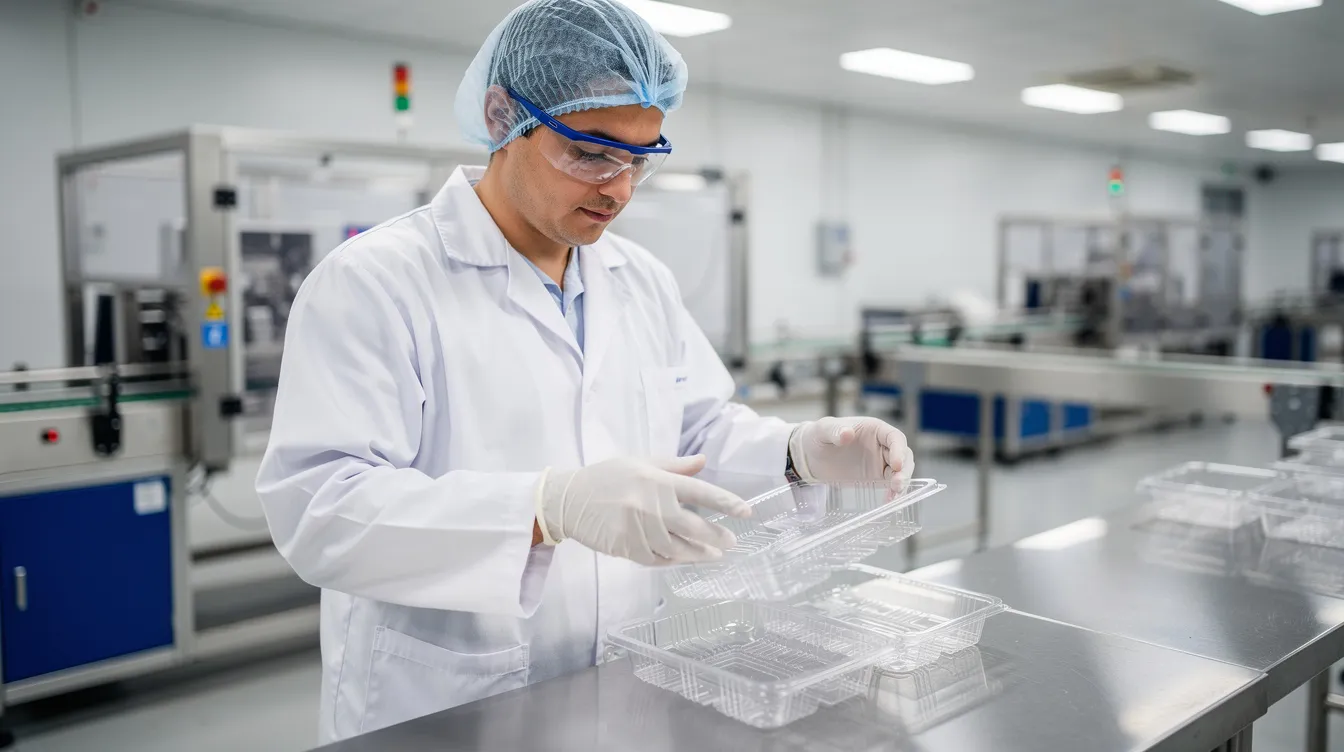
The manufacturing process starts with polymer granules and ends with finished LDPE plastic bags ready for packing lines. In modern facilities in India, production is typically automated to maintain consistency across large commercial runs.
Film extrusion is the first major step. The manufacturing process includes melting and extruding polyethylene: LDPE resin and approved additives are fed into an extruder, melted at controlled temperature, pushed through a die, and formed into a blown bubble or cast sheet. Cooling and take-off speed control the final thickness, clarity, and width of the film.
After extrusion, conversion begins. Film may be printed using flexographic or gravure methods, slit into webs, folded, gusseted, punched, and cut. Heat-sealing machines form side-sealed, bottom-sealed, or center-fold bags. Inline options can include perforations, zipper profiles, euro holes, wicket holes, vent holes, and adhesive flaps.
Finished bags may be supplied as rolls, bundles, stacks, or individually packed units. They are labeled, carton-packed, and palletized to protect the packaging during transit. Tilak Polypack uses stage-wise checks during extrusion and conversion for food and cleanroom customers, focusing on gauge uniformity, film clarity, seal strength, and visible defects.
Quality Control and Regulatory Considerations
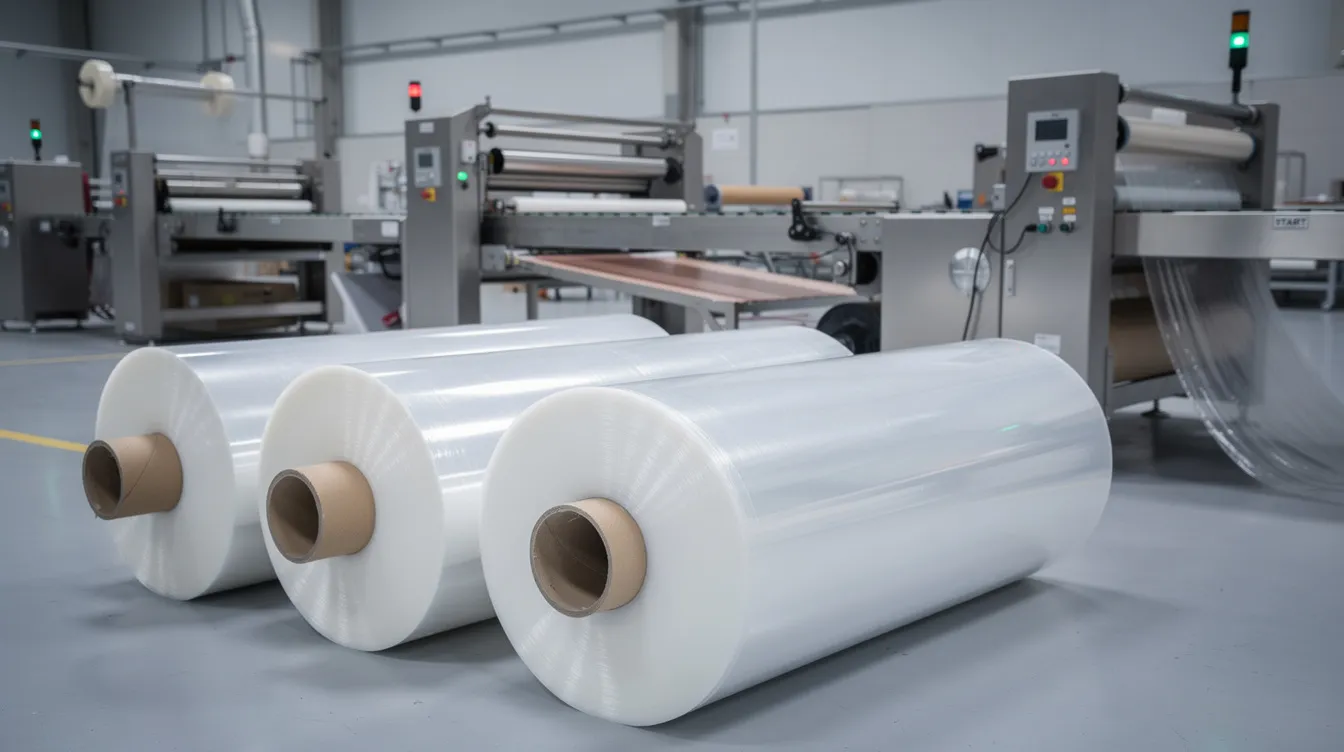
Quality control is vital for LDPE bags used in food, pharmaceutical, electronics, and industrial sectors. A weak seal, uneven gauge, pinhole, or contamination issue can cause product damage, line stoppage, or recall risk.
Quality control measures are implemented at every production stage, from resin handling to extrusion, printing, cutting, sealing, and final packing. Typical checks include micrometer-based thickness testing, seal-strength testing, drop testing for heavier-duty bags, and visual inspection for gels, pinholes, haze, contamination, or print defects.
For higher-purity bags, cleanliness controls may include controlled-area production, filtered air, particle monitoring, and clean handling. Regulatory compliance can include Indian FSSAI expectations for food-contact packaging, FDA or EU-equivalent food-contact documentation, and customer-specific pharmaceutical or medical device packaging requirements.
Traceability is equally important. Professional suppliers maintain resin lot records, batch codes, inspection reports, retained samples, and specification sheets. Tilak Polypack maintains traceability practices for critical customers, helping purchasing, quality, and audit teams verify that each bag range meets agreed safety and performance requirements.
Sustainability, Recycling, and the Future of LDPE Plastic Bags
Plastic bags face growing scrutiny, but LDPE is evolving rather than disappearing. The environmental impact of a bag depends on material choice, thickness, reuse, logistics, contamination, and end-of-life handling.
LDPE bags carry recycling number 4 and can be mechanically recycled where collection and sorting systems exist. However, thin films are difficult for some material recovery facilities, which is why segregation matters. Businesses should not mix LDPE with HDPE streams, and they should work with authorized recyclers wherever possible.
Sustainable practices include using recycled content where allowed, downgauging to thinner but strong films, and designing mono-material packaging that is easier to recycle. Tilak Polypack can support customers with optimized LDPE bag designs that reduce plastic consumption while maintaining performance. Reusable bag formats can also help when the same packaging survives multiple handling cycles.
Regulations in India and globally are pushing against very thin carry bags, while EPR programs and corporate packaging targets encourage recyclable materials. Biodegradable bags break down via microorganisms and turn into organic fertilizer, but they require the correct environment and should not be confused with recyclable LDPE. The better strategy is to specify the right material for the job, reduce excess gauge, and plan end-of-life handling from the beginning.
How to Specify and Order the Right LDPE Bag
Accurate specifications help avoid tearing, leakage, poor fit, and unnecessary cost. Start with the basics: internal width, length, gusset size, thickness in microns or mils, clarity, color, finish, closure type, printing requirements, packing format, and order quantity.
Thickness should reflect product weight, sharp edges, stacking height, shipping route, and storage conditions. Light garments may need a thin transparent bag, while industrial parts or metal components may need a heavier gauge or an LDPE/LLDPE blend. For food-grade use, specify certified resin and hygiene requirements. For cleanroom applications, request low-particulate bags, clean packing, and documentation.
Packaging line compatibility also matters. Automated or semi-automatic lines may require wicket holes, perforation between bags, easy opening, consistent slip, or a specific roll diameter. If sustainability is part of the customer brief, ask about downgauged film, recyclable mono-material structures, and recycled content where regulations allow.
Tilak Polypack’s technical team can review sample products, current packaging, process details, and specific requirements to recommend a suitable LDPE or HDPE solution with practical safety margins.
Frequently Asked Questions About LDPE Bags
Are LDPE bags safe for direct contact with food?
Yes, LDPE bags can be safe for direct food contact when made from certified food-grade resin and manufactured under hygienic conditions. Buyers should ask suppliers such as Tilak Polypack for compliance documents for the exact bags being purchased.
Can LDPE bags be used in freezers or high-temperature environments?
Standard LDPE bags have limits at temperature extremes. They may become brittle in deep-freeze conditions and can soften or melt above roughly 80–90°C. For deep-freeze, hot-fill, or heat-intensive processes, request special films or alternative materials.
How can I tell whether I need LDPE or HDPE bags?
Choose LDPE when flexibility, softness, sealability, and clarity are priorities. Choose HDPE when stiffness, higher puncture resistance, chemical resistance, or a more economical carry-bag structure is more important. A sample-based comparison is usually the safest route.
Are LDPE bags truly recyclable in India today?
LDPE film is technically recyclable in India, but local collection and sorting vary by city and region. Businesses should segregate clean LDPE waste, avoid mixing it with HDPE, and work with authorized recyclers to improve recovery.
What information should I share with my supplier to get an accurate quote?
Share the application, product type, weight, bag size, thickness, closure, printing needs, expected quantity, cleanliness requirements, and regulatory documents needed. A physical sample of the product or current packaging helps Tilak Polypack recommend the most suitable specification and pricing.