
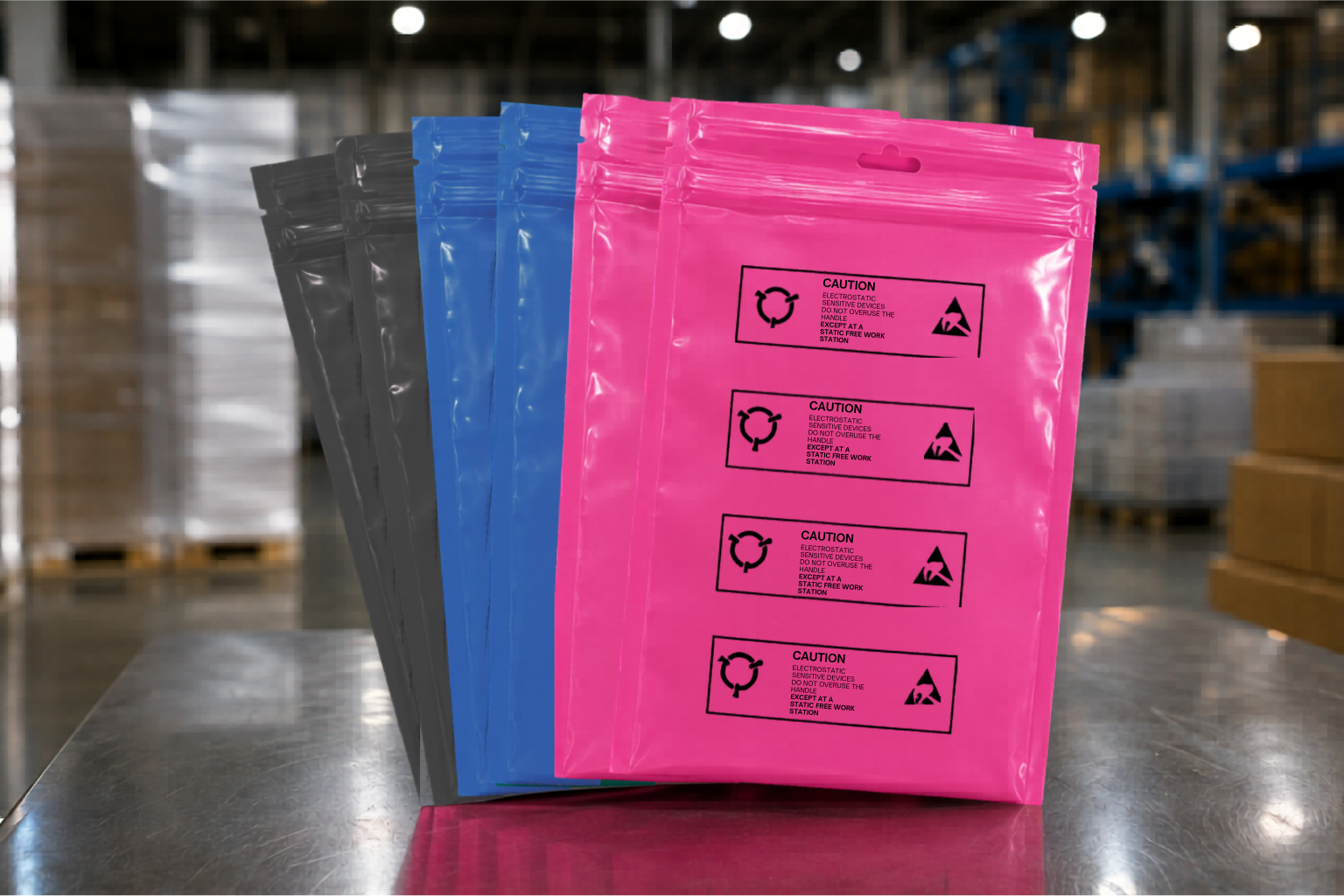
- 3-Layered to ensure proper protection to electronic components
- Long lasting
- High efficiency
- Competitive pricing

- Infectious waste bags, biohazard specimen bags & chemotherapy drug transport bags.
- Quality bags for everyday use in the medical & healthcare industry.
- Numerous stock sizes available.
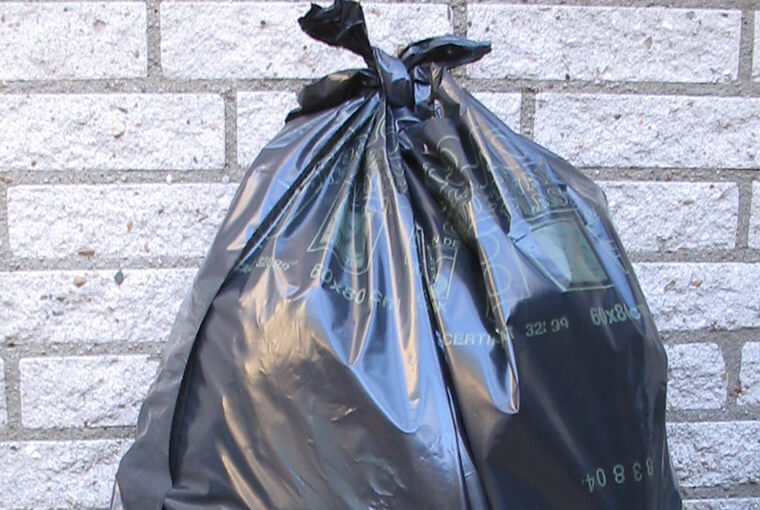
- Black Refuse Sacks- Large.
- QExtreme strength.
- Strong, durable and very tough.
- Stretch without breakage.
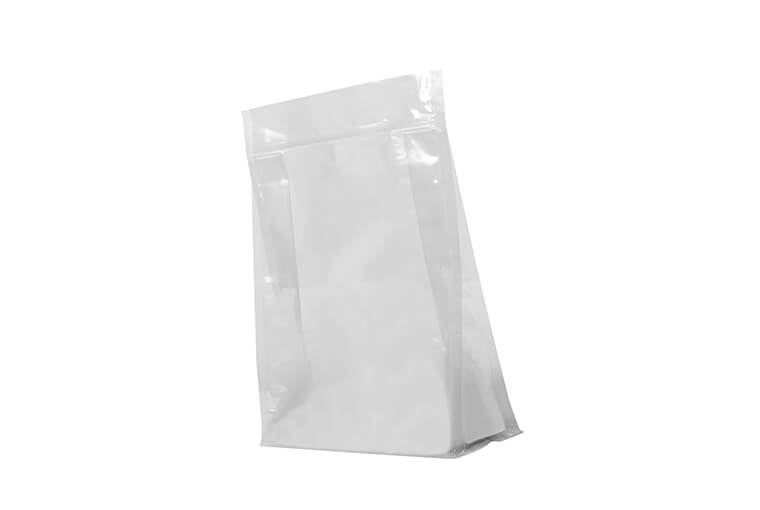
Clear Polythene Packing Bags are one of the most popular and economical forms of retail and industrial packaging. Transparent plastic bags not only allow the contents to be visible to the customer, they provide hygienic protection against dirt, dust and moisture.
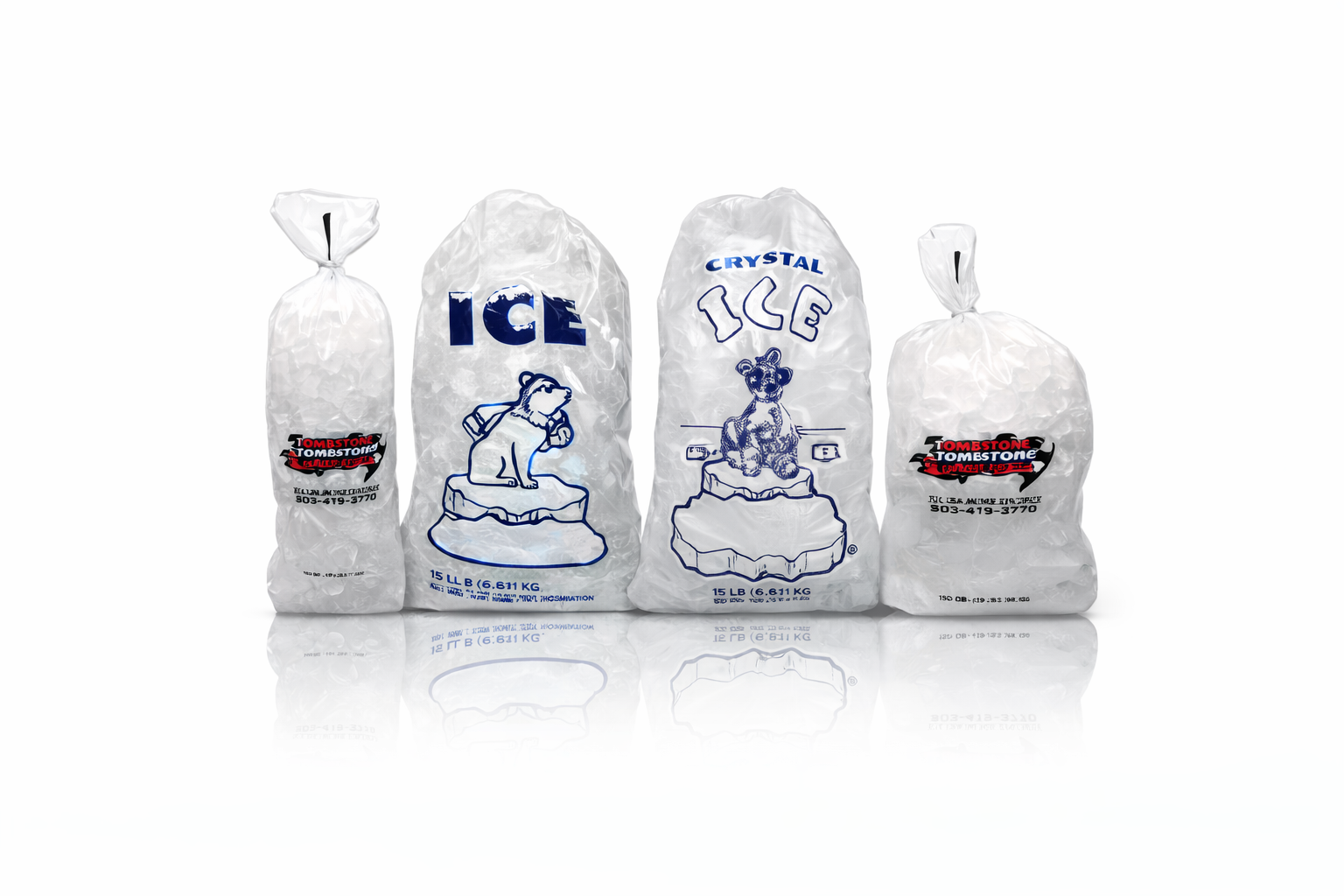
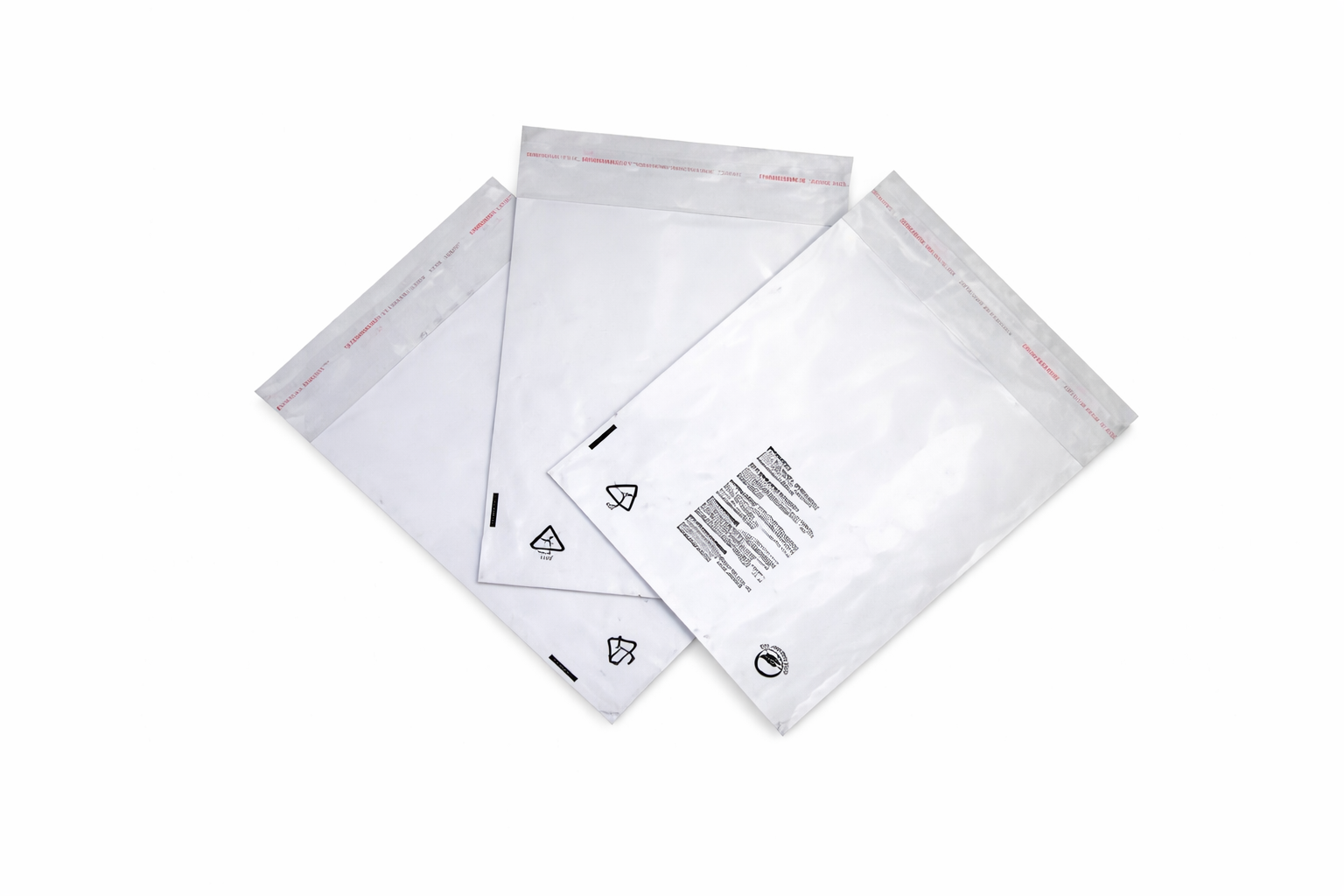
Tilak Polypack sell a wide range of clear polythene clothing packing bags, to present garments at their best. Our clothing display bags are self-sealing and are suitable for a wide range of uses, including display purposes for the clothing and retail industries, and they are also popular with dry-cleaners.
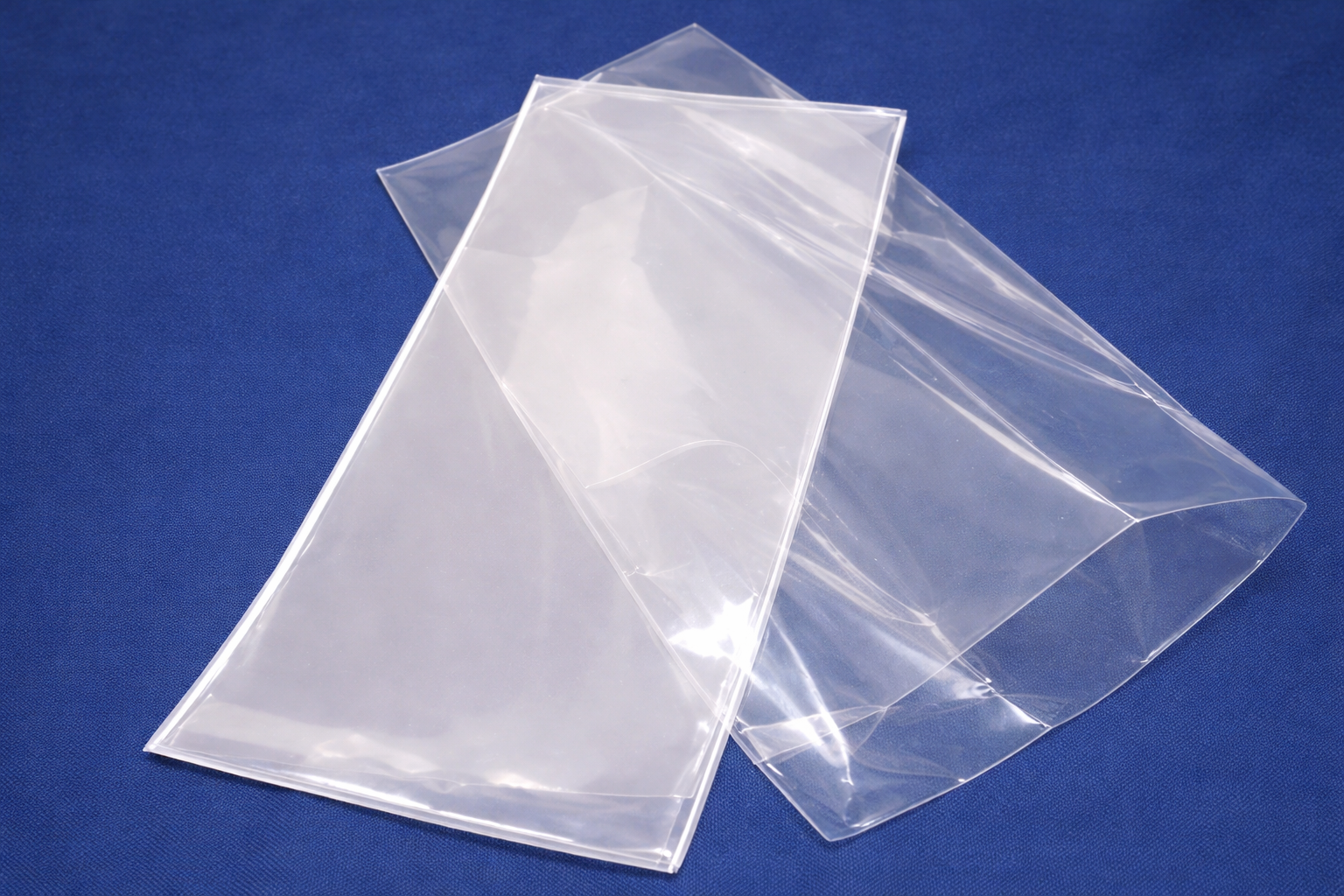
A range of sparkling crystal-clear polypropylene bags to showcase your products. Your retail products deserve to be presented in packaging that is beautiful, stylish and functional – so whether you need a protective barrier to prevent items spoiling or air-tight bags that keep perishables fresh, this range offers a host of eye-catching solutions.
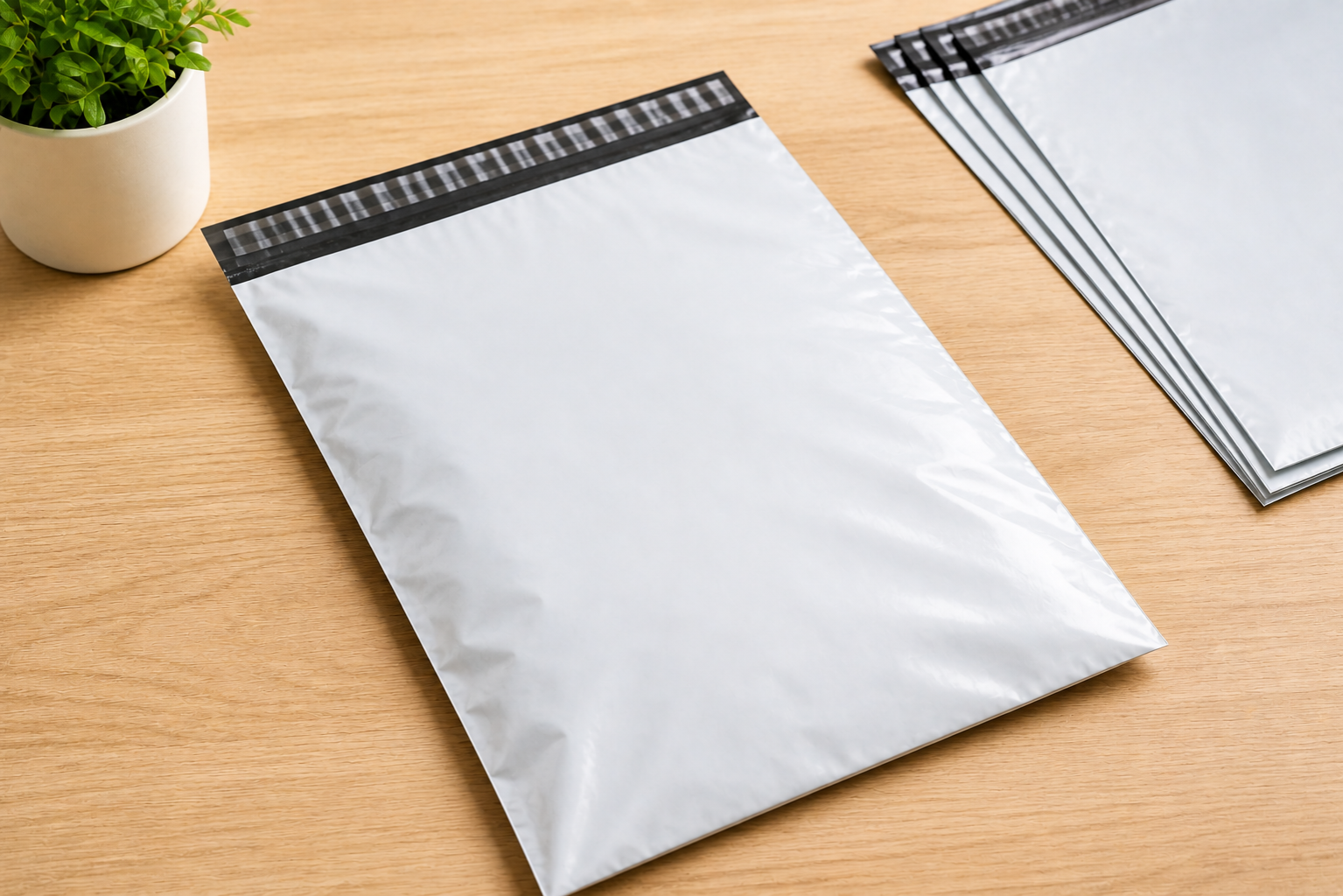
Show off your professionalism and personality by custom-printing your own unique mailer. These bags a more economical option when it comes to shipping, eliminating the high prices of shipping of bulky boxes.
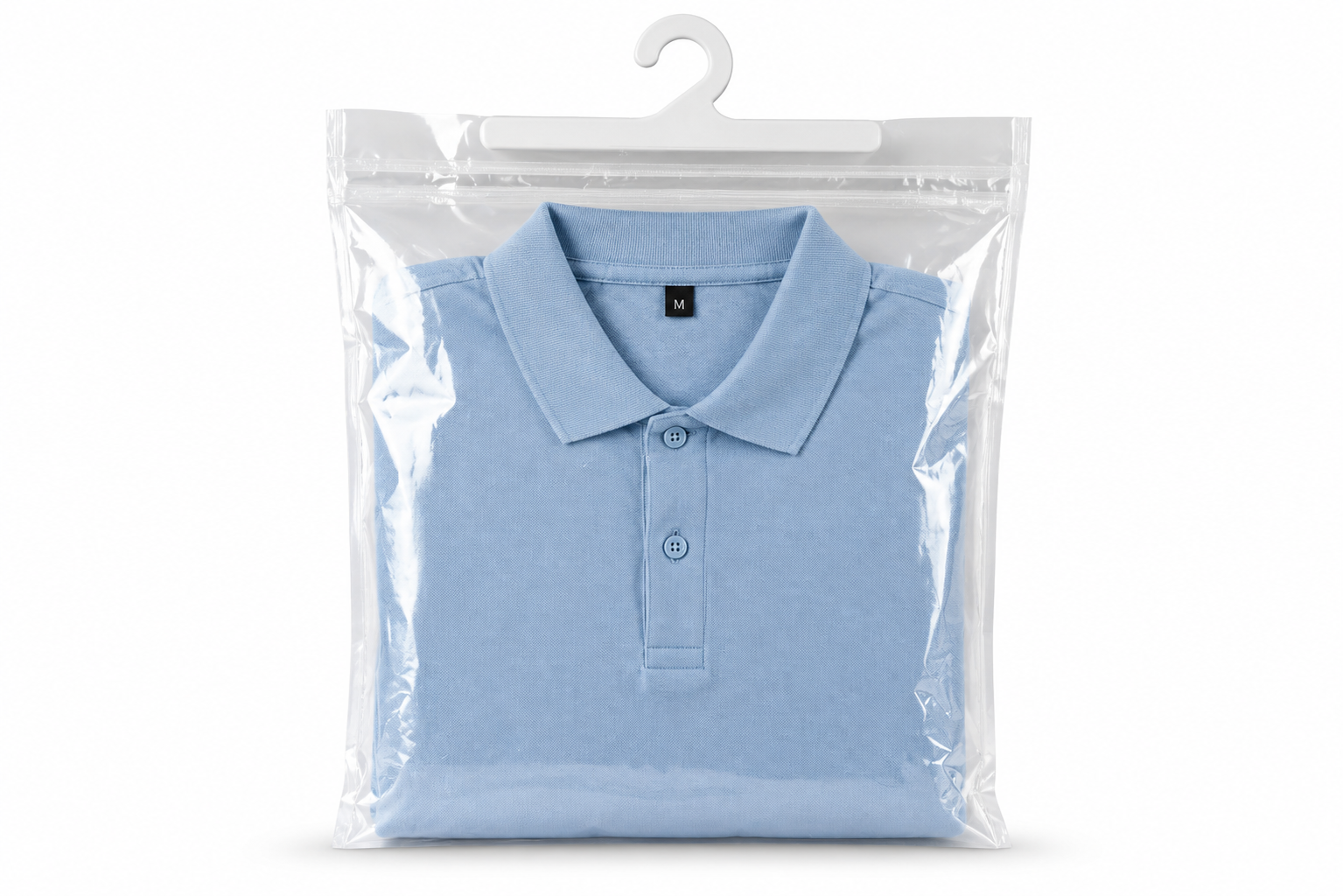
- Feature:
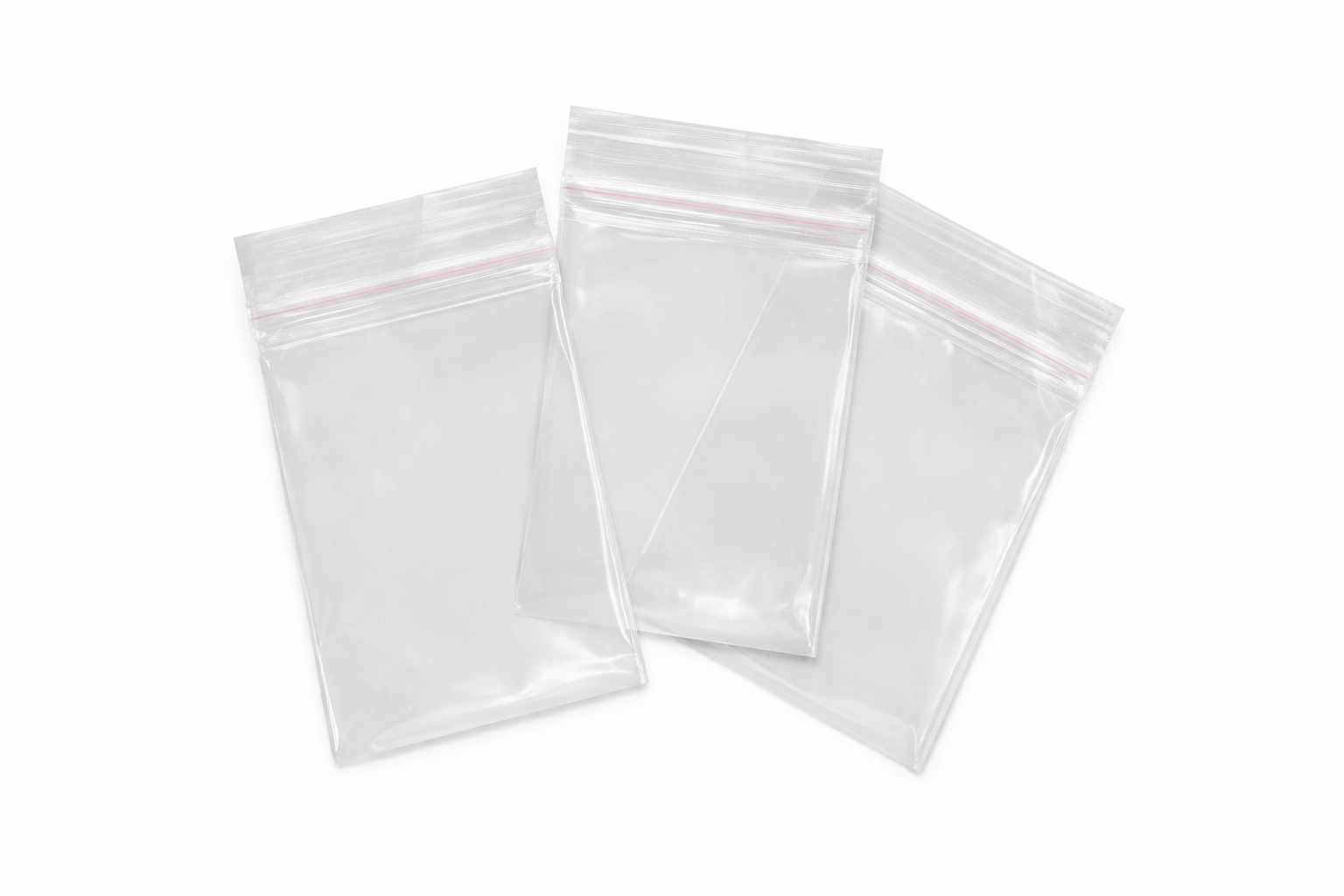
- Zip lock and hanging hook.
- Use:
- HOISERY INDUSTRY, GARMENT INDUSTRY, MULTIPLE PACKAING OF GARMENTS
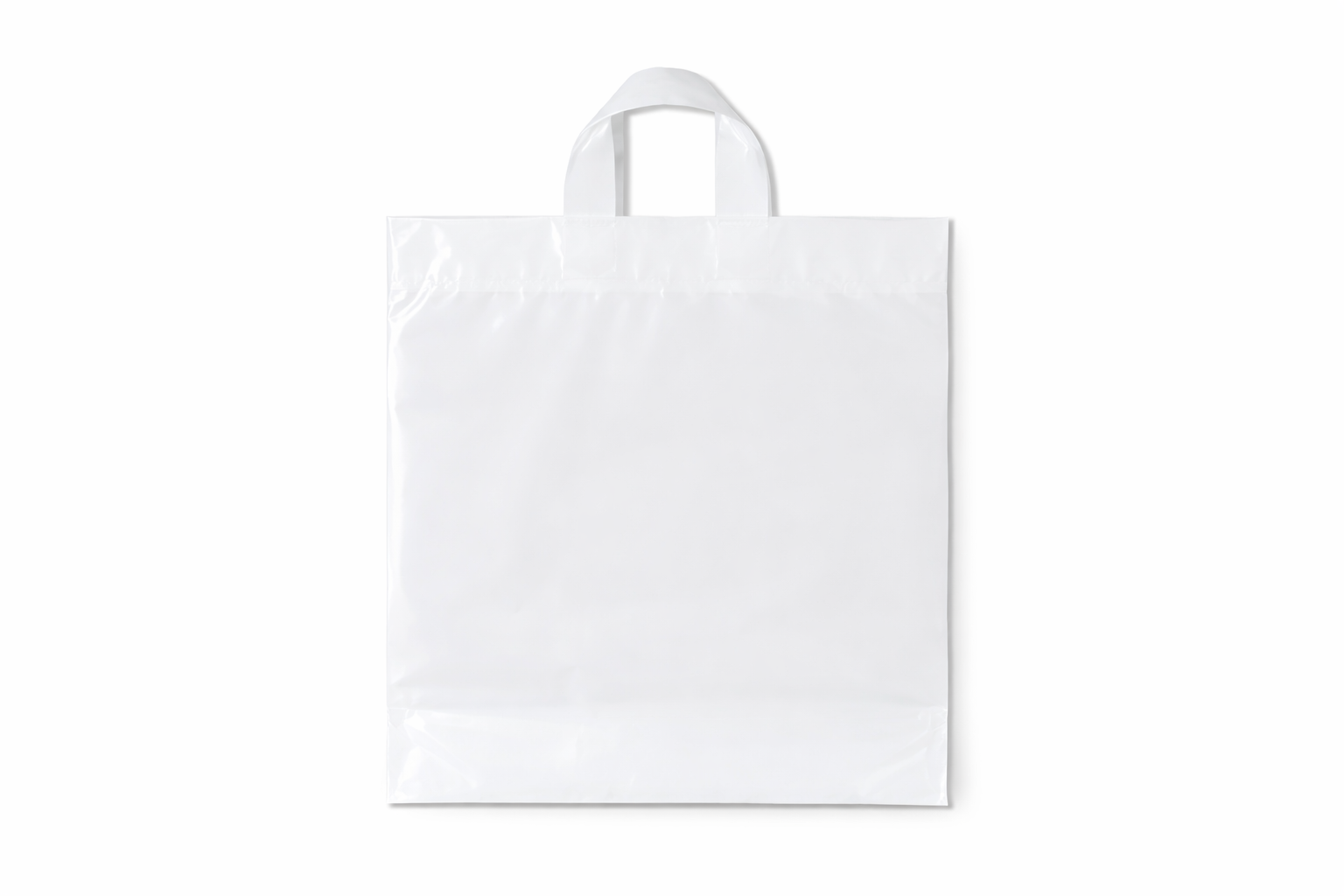
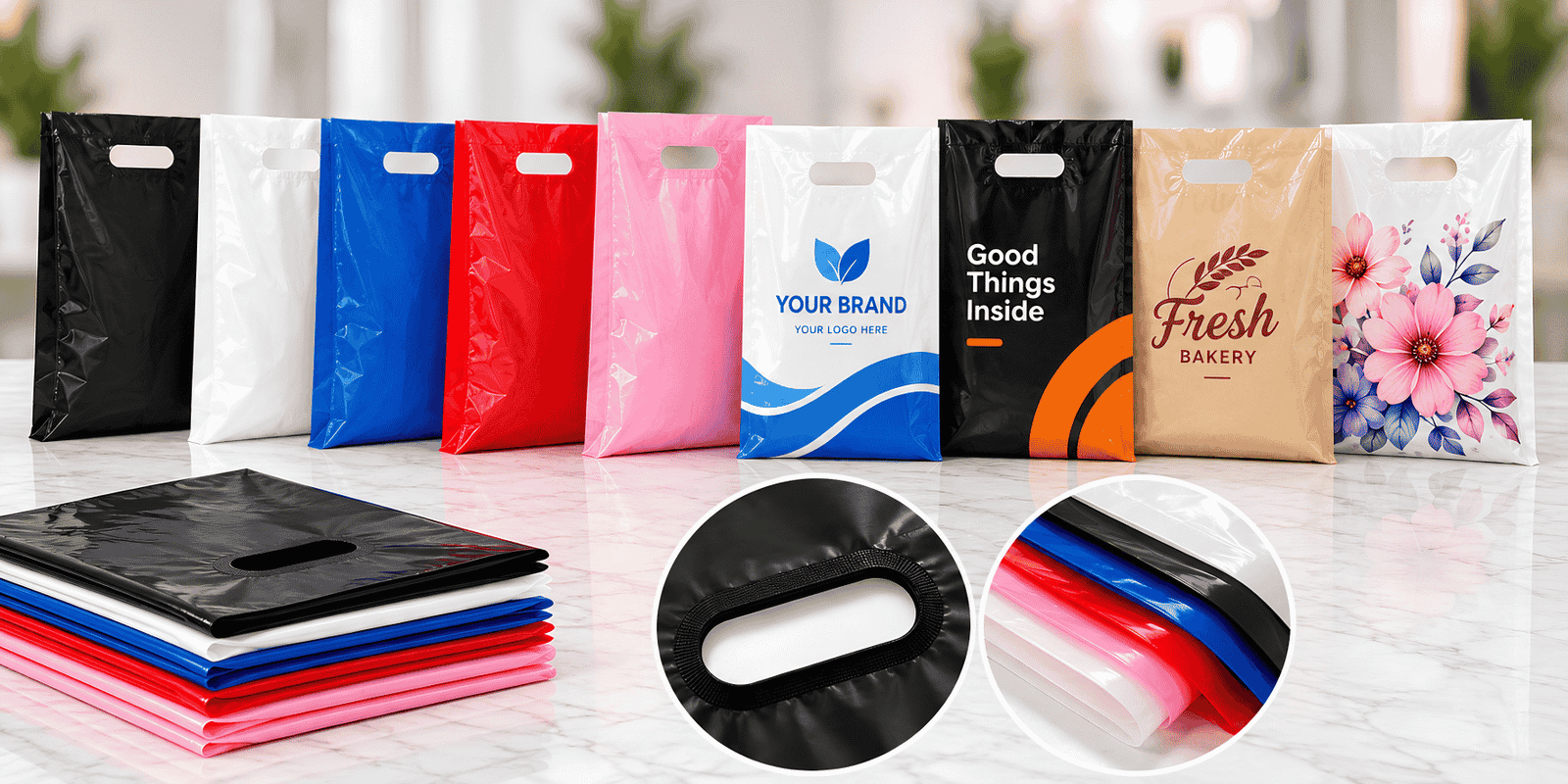
Soft loop handle bags serve multi purposes aside from conveying an upscale look. The expandable bottom gusset and the soft loop handles, one on each side of the bag, keep contents secured during travel. Use these bags when you want to increase stability, reduce movement and the possibility of breakage.

- Plastic Drawstring for closure.
- Flexible and strong
- Can be customised as per requirement.
- Economical compared to cotton drawstring bags.
LDPE Bags: Types, Uses, Benefits & Packaging Applications
LDPE bags are flexible polyethylene packaging solutions used across retail, industrial, food, garment, medical and general packaging applications. Made from low-density polyethylene, these bags are known for their flexibility, lightweight construction, clarity, moisture resistance and useful stretchability. Depending on the application, LDPE bags can be supplied in different sizes, formats and constructions to help protect, contain or present products during storage, handling and transportation. Tilak Polypack manufactures and supplies a range of polyethylene bag solutions designed for different packaging requirements, including applications where product visibility, protection and ease of handling are important.
What Are LDPE Bags?
LDPE bags are plastic bags made from low-density polyethylene resin. The material provides a combination of flexibility, softness, clarity and durability that makes LDPE suitable for many packaging applications. These bags can be used for protecting individual products, packaging garments and merchandise, handling industrial components, and supporting storage and transportation requirements. Their flexible construction makes them suitable for products with different shapes and sizes, while transparent LDPE bags can also allow the packaged product to remain visible. The suitability of a specific bag depends on the material, construction and intended application.
Types of LDPE Bags
Different packaging requirements call for different bag formats and constructions. LDPE and polyethylene packaging solutions can be produced or supplied in formats designed for retail presentation, industrial handling, product protection and specialized applications.
Common bag categories include clear polythene packing bags, clothing packing bags, grip seal bags, poly mailer bags, drawstring bags, bags with hanger hooks and other application-specific polyethylene bags. Tilak Polypack’s existing product range also includes specialized solutions such as antistatic poly bags, biohazard bags and other plastic bag formats. Each type is intended for a different packaging requirement, so selection should be based on the product being packed, handling conditions and required bag features.
Key Benefits of LDPE Bags
Flexibility and Ease of Handling
One of the main characteristics of LDPE bags is their flexibility. Compared with more rigid plastic packaging formats, LDPE bags can conform more easily to different product shapes. This makes them useful for lightweight products, individual packaging and applications where easy handling is important. The material’s soft feel and flexibility also allow bags to be supplied in individual units or other formats depending on the packaging requirement.
Strength and Durability
LDPE bags provide a practical combination of flexibility and durability. They can help contain and protect packaged products during routine handling, storage and transportation. Their tear-resistant characteristics can be useful when packaging products that require dependable containment without using unnecessarily rigid packaging. Performance will depend on the bag design, thickness, material formulation and intended application.
Clarity and Product Visibility
Clear LDPE bags can provide good product visibility, making them useful for retail presentation, garment packaging and applications where users need to identify the contents without opening the package. This visibility can help businesses present products more clearly while also providing a protective packaging layer.
Moisture Resistance
LDPE provides moisture-resistant properties that can help protect packaged items from humidity and external moisture. This makes LDPE bags useful for a range of storage, shipping and general packaging applications where protection from moisture is part of the requirement.
Lightweight Packaging
LDPE is a lightweight material, allowing businesses to package products without unnecessarily increasing packaging weight. This characteristic makes polyethylene bags practical for everyday packaging and shipping applications where flexibility and ease of handling are important.
Applications of LDPE Bags
LDPE bags are used across multiple industries because their material properties support a wide range of packaging requirements. Applications can include retail and e-commerce packaging, garment protection, industrial components, food-related packaging, pharmaceutical applications, cleanroom environments and general product storage and transportation.
In retail and e-commerce, clear and polyethylene packaging bags can be used for garments, accessories, merchandise and other consumer products. In manufacturing and industrial environments, bags can help store and transport smaller components, tools and materials. For specialized applications, the bag material and manufacturing process should be selected according to the required performance, cleanliness and handling conditions. Your existing page specifically identifies retail, manufacturing, food and pharmaceutical uses among the major applications.
LDPE Bags for Cleanroom and Sensitive Applications
Cleanroom and sensitive manufacturing environments require packaging that supports product cleanliness and integrity. LDPE bags can be used in applications where moisture resistance, low particle generation and protection during storage or transportation are important. Your current page identifies cleanroom, life sciences, medical device manufacturing and pharmaceutical production among these applications.
For sensitive applications, packaging requirements should be determined according to the specific industry, product and applicable quality requirements. The selected bag construction should be suitable for the cleanliness and protection requirements of the application rather than treating every LDPE bag as interchangeable.
LDPE Bags Specifications
The right LDPE bag specification depends on the product, application and handling conditions. Important factors to consider when selecting an LDPE bag include:
| Specification | Consideration |
|---|---|
| Material | Low-Density Polyethylene (LDPE) |
| Bag Size | Selected according to the product dimensions |
| Thickness | Selected according to application requirements |
| Bag Format | Chosen according to packaging and handling needs |
| Colour | Clear, coloured or application-specific |
| Transparency | Important where product visibility is required |
| Printing | Custom printing can be used for branding and identification |
| Closure | Selected according to the required packaging format |
| Packaging Quantity | Suitable for individual, bulk or commercial requirements |
| Application | Retail, industrial, garment, food-related, medical or other uses |
The exact options should be confirmed based on the specific LDPE bag product and application.
LDPE vs HDPE: What Is the Difference?
LDPE and HDPE are both polyethylene materials, but their properties differ because of their molecular structures. LDPE is generally more flexible and softer, while HDPE is typically stiffer and more resistant to certain forms of heavy-duty handling. LDPE is often selected when flexibility, clarity and stretchability are important. HDPE can be preferred for applications where greater rigidity and resistance to tearing or puncturing are required.
The right choice depends on the application rather than simply choosing one material for every packaging requirement. Factors such as product weight, desired flexibility, required clarity, handling conditions and bag construction should all be considered before selecting the packaging material.
LDPE Bags Manufacturing Process
The manufacturing process for LDPE bags begins with the selection of polyethylene resin suitable for the intended application. The material is melted and processed through extrusion to produce a thin polyethylene film. This film is then converted into the required bag format through processes such as cutting, printing where required, and heat sealing.
Manufacturing controls are important throughout production to maintain consistency, dimensional accuracy and the required material performance. For applications involving sensitive products, additional quality controls may be necessary. Your current page describes the process as starting with low-density polyethylene resin, followed by film extrusion, printing, cutting and heat sealing.
Quality Control in LDPE Bag Production
Quality control is an important part of LDPE bag manufacturing because packaging performance depends on consistent material and production quality. Quality checks can be carried out from raw material selection through film production and final bag conversion. Depending on the application, manufacturers may evaluate characteristics such as bag dimensions, appearance, sealing quality, strength and overall consistency.
For cleanroom and other sensitive applications, cleanliness and contamination control are particularly important. Your existing content emphasizes quality control from raw material inspection through final testing of finished bags.
Custom LDPE Bags
Different products require different packaging formats, which is why LDPE bags can be customized according to application requirements. Customization may include bag dimensions, colour, printing, sealing and other construction features where applicable. Printed LDPE bags can also support product identification, branding and packaging presentation.
When selecting a custom LDPE bag, businesses should consider the dimensions of the product, required level of protection, handling method, storage conditions and any industry-specific requirements. Tilak Polypack supports customized packaging requirements and bulk orders across a range of polyethylene bag applications.
Why Choose Tilak Polypack for LDPE Bags?
Tilak Polypack manufactures and supplies polyethylene packaging solutions for different industrial and commercial applications. The company focuses on product quality, customized packaging requirements and consistent manufacturing processes.
The existing LDPE bag range includes solutions for applications such as product protection, garment packaging, retail presentation, industrial packaging and specialized environments. The company also supports bulk quantity requirements and customized packaging solutions based on customer specifications.
For businesses looking for an LDPE bag manufacturer and supplier, selecting the right product should begin with the application’s material, size, thickness, construction and performance requirements.
FAQs
1. What are LDPE bags?
LDPE bags are flexible plastic bags made from low-density polyethylene resin. They are widely used for packaging because of their flexibility, lightweight construction, moisture resistance and clarity.
2. What are LDPE bags used for?
LDPE bags can be used for retail and e-commerce packaging, garment packaging, industrial components, general product protection, food-related applications and selected medical or pharmaceutical packaging requirements.
3. What are the benefits of LDPE bags?
Common benefits include flexibility, lightweight construction, product visibility, moisture resistance and useful durability for a wide range of packaging applications.
4. Are LDPE bags recyclable?
LDPE can be recyclable under appropriate collection and recycling systems. Your current page identifies LDPE with recycling code number 4 and recommends following appropriate recycling pathways.
5. What is the difference between LDPE and HDPE bags?
LDPE bags are generally softer and more flexible, while HDPE bags are generally stiffer and more rigid. The appropriate material depends on the packaging application and the required performance characteristics.
6. Can LDPE bags be customized?
Yes. Depending on the product, LDPE bags may be customized in areas such as size, colour, printing and packaging format. Specific options should be confirmed for the intended application.
7. Can LDPE bags be used for food packaging?
LDPE bags can be used for suitable food-packaging applications when the product is manufactured using appropriate food-contact-grade materials and meets the applicable requirements for the intended use. Food-contact suitability should be confirmed for the specific product.
8. What thickness of LDPE bag should I choose?
The required thickness depends on the application, product weight, handling conditions and required level of protection. Your current page notes that LDPE bags are available across a range of thicknesses depending on application requirements.
9. Are LDPE bags durable?
LDPE bags provide a combination of flexibility and durability and can offer resistance to routine tearing and handling stresses. Actual performance depends on the bag’s material formulation, thickness, construction and application.
10. Where can I buy LDPE bags in bulk?
LDPE bags can be sourced from specialized packaging manufacturers and suppliers. Tilak Polypack provides LDPE and polyethylene packaging solutions for commercial and industrial requirements and supports bulk orders.
LDPE Bag Manufacturing Process
Take a closer look at the LDPE bag manufacturing process and high-speed plastic bag making operations at Tilak Polypack. This video provides a visual overview of how LDPE plastic bags are produced for packaging and shipping applications.