
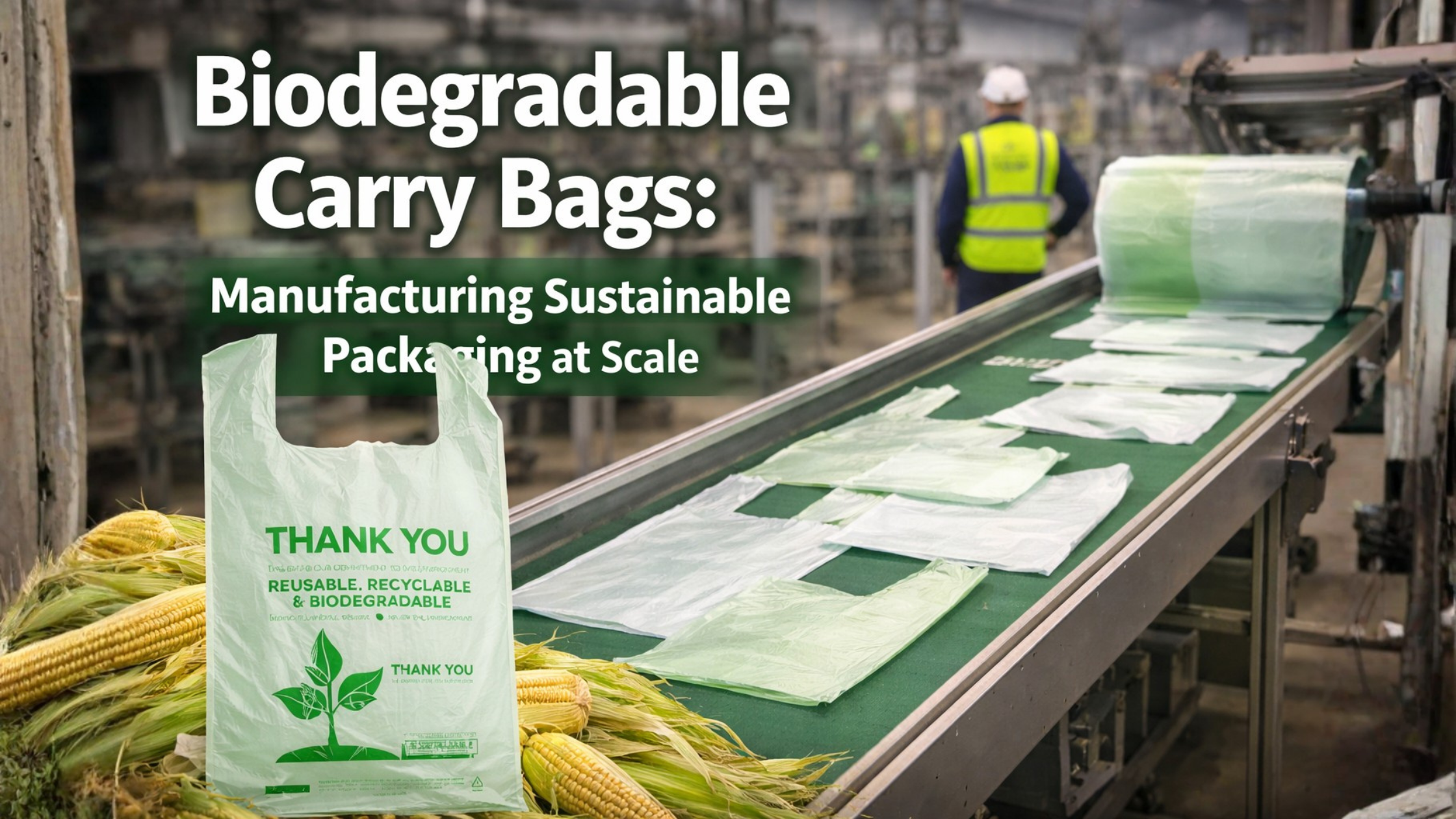
As global awareness of environmental sustainability intensifies, businesses are increasingly seeking eco-friendly alternatives to traditional plastic packaging. Biodegradable carry bags, made from renewable materials like cornstarch, sugarcane, and cassava, offer a viable solution. This post delves into the manufacturing process, benefits, challenges, and considerations for businesses looking to adopt biodegradable carry bags at scale.
Understanding Biodegradable Carry Bags
Biodegradable carry bags are designed to decompose naturally when exposed to environmental conditions, unlike conventional plastic bags that can persist for decades. These bags are typically made from materials such as cornstarch, PLA (Polylactic Acid), or other plant-based polymers. Their adoption not only reduces the environmental footprint but also meets the growing consumer demand for sustainable products.
For businesses, transitioning to biodegradable carry bags involves selecting the appropriate materials and ensuring that the bags meet necessary strength and durability standards for commercial use.
The Manufacturing Process
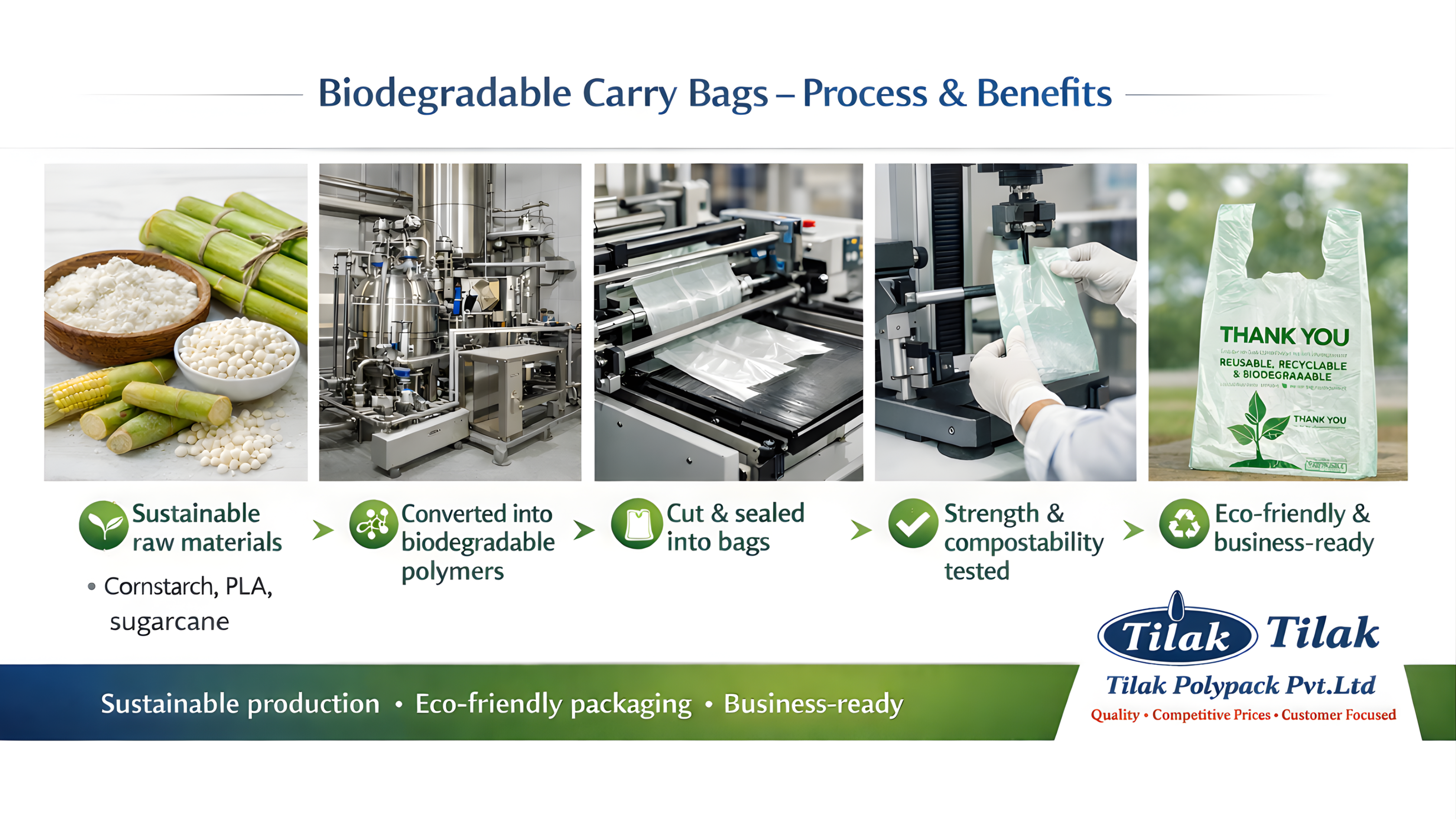
The production of biodegradable carry bags involves several key steps:
1. Material Sourcing
The first step in manufacturing biodegradable carry bags is sourcing sustainable raw materials. Manufacturers often use cornstarch, potato starch, or sugarcane as the main raw material. These sources are renewable and biodegradable, making them ideal for compostable bag production.
2. Polymerization
The sourced materials undergo a polymerization process to create bioplastics such as PLA or PHA (Polyhydroxyalkanoate). This step involves converting the raw materials into a polymer that can be molded into various forms.
3. Extrusion
The polymer is then melted and extruded into thin films. This process involves feeding the polymer into an extruder, where it is heated and forced through a die to form a continuous sheet of film.
4. Bag Formation
The extruded film is then cut and sealed to form bags. This can be done using various techniques, including heat sealing or ultrasonic welding, depending on the material and desired bag specifications.
5. Quality Control
Final products undergo rigorous quality control checks to ensure they meet strength, durability, and biodegradability standards. Testing may include assessments of tensile strength, elongation, and decomposition rates under composting conditions.
Benefits of Biodegradable Shopping Bag
Adopting biodegradable Shopping bag offers several advantages for businesses:
- Environmental Impact: These bags decompose naturally, reducing plastic pollution and contributing to a cleaner environment.
- Regulatory Compliance: Many regions have implemented bans or restrictions on single-use plastics. Biodegradable bags help businesses comply with these regulations.
- Brand Image: Using eco-friendly packaging enhances a company’s reputation and appeals to environmentally conscious consumers.
- Cost Efficiency: While the initial investment may be higher, biodegradable bags can lead to long-term cost savings through reduced waste disposal fees and potential tax incentives.
Challenges and Considerations
Despite their benefits, there are challenges associated with manufacturing and adopting biodegradable carry bags:
- Cost: Biodegradable materials can be more expensive than traditional plastics, potentially increasing production costs.
- Supply Chain: Sourcing sustainable raw materials may require adjustments to existing supply chains.
- Performance: Some biodegradable bags may have different performance characteristics compared to conventional plastic bags, such as lower strength or shorter shelf life.
- Consumer Education: Informing consumers about the benefits and proper disposal methods for biodegradable bags is crucial for maximizing their environmental impact.
Scaling Production for Businesses
For businesses looking to scale the production of biodegradable carry bags, several factors should be considered:
Equipment and Technology
Investing in specialized equipment is essential for large-scale production. This may include extruders, bag-making machines, and quality testing instruments. Advanced technology can improve efficiency and consistency in manufacturing processes.
Supplier Partnerships
Establishing strong relationships with suppliers of biodegradable materials ensures a steady supply of high-quality inputs. It’s important to vet suppliers for their sustainability practices and certifications.
Regulatory Compliance
Staying informed about local and international regulations regarding biodegradable products is crucial. Compliance ensures that products meet legal requirements and can be marketed without restrictions.
Market Demand
Assessing market demand for biodegradable carry bags helps businesses align production with consumer preferences. Conducting market research can provide insights into potential sales volumes and customer expectations.
Conclusion
Biodegradable carry bags represent a sustainable alternative to traditional plastic packaging. By understanding the manufacturing process, benefits, challenges, and considerations, businesses can make informed decisions about adopting these eco-friendly solutions. As consumer demand for sustainable products grows, investing in biodegradable carry bags can enhance a company’s environmental impact and brand reputation.
