
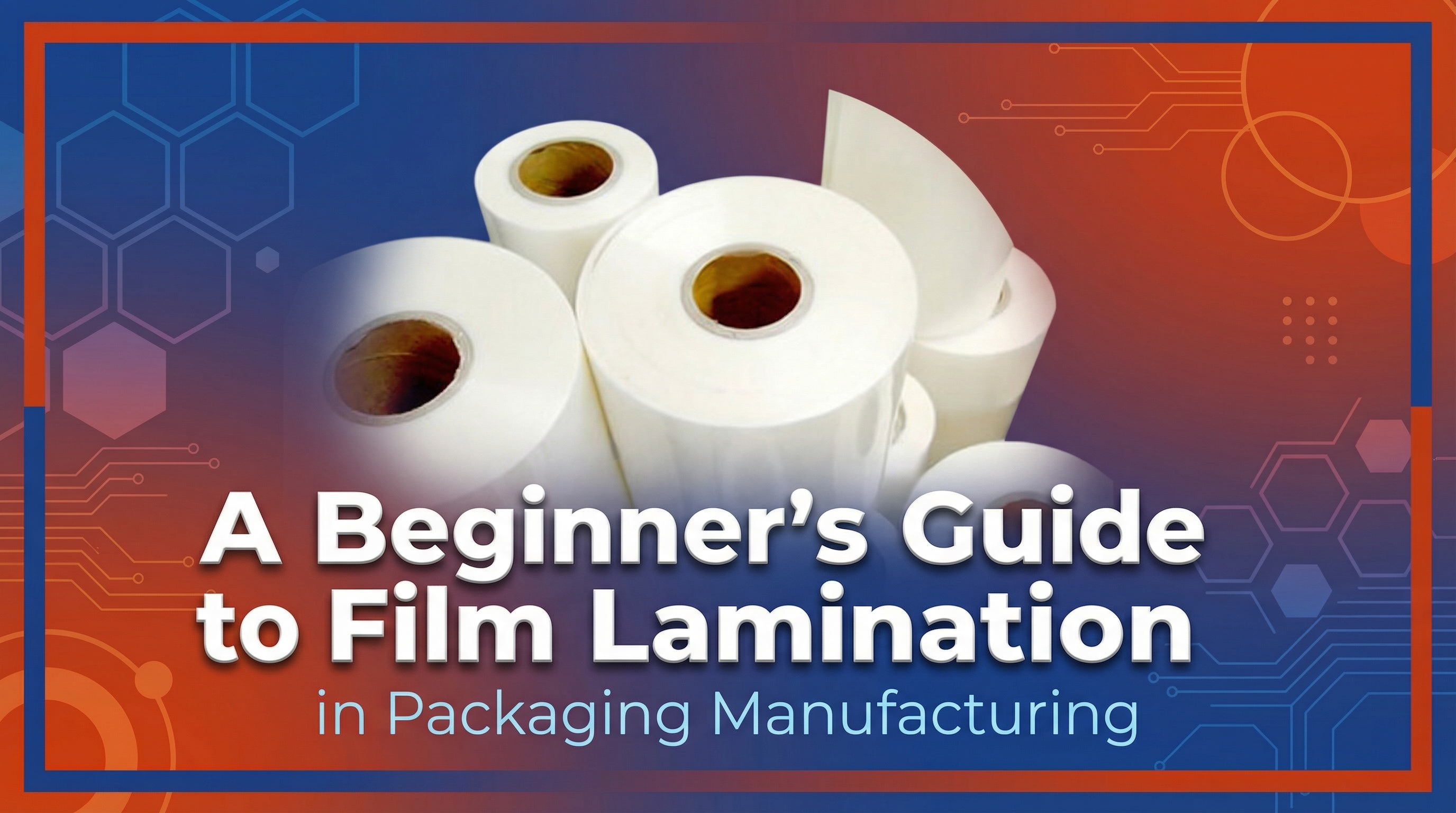
In today’s competitive packaging industry, ensuring products are both protected and visually appealing is crucial. Adhesive lamination film has become a popular choice for manufacturers and small-scale operations due to its versatility, ease of use, and protective qualities.
According to Smithers Pira research, the global laminating Pe film market is expected to grow by over 6% annually through 2030. Whether it’s food items, industrial manuals, or graphic labels, lamination adds both function and finesse to packaging materials.
What is an Adhesive Lamination Film?
Adhesive lamination film is a specialized material designed to bond two or more surfaces together. It comes in thin, flexible sheets coated with an adhesive layer that sticks to substrates like paper, plastic, or metal. The adhesive acts as a protective and binding agent, enhancing strength, durability, and appearance.
This film is particularly valued because it doesn’t require high heat or complex machinery, making it accessible to beginners while still offering professional results. Unlike thermal lamination, it provides a cold-seal alternative perfect for heat-sensitive materials.
Understanding the Lamination Process
The lamination process combines two or more layers of material to create a stronger, more resilient product. In adhesive lamination, bonding occurs through self-adhesive film application, which holds layers together once pressure is applied.
Common substrates include:
– Paper (printed packaging, brochures, labels)
– Plastic (flexible films, pouches, wrappers)
– Fabric (specialty bags requiring protection)
– Metal (foils for luxury packaging)
Thermal lamination uses heat and pressure but requires specialized machines. Adhesive lamination relies on pressure-sensitive adhesive, making it easier to implement and suitable for both professional and home settings.
Self-Adhesive Laminating Sheets
For beginners or smaller projects, self-adhesive laminating sheets offer a convenient solution. These clear, acid-free sheets allow quick application without machines, ideal for:
– Home projects (documents, school projects)
– Office uses (ID cards, manuals, signage)
– Small-scale industrial applications
Industrial Applications of Adhesive Lamination Film
Manufacturing and Industrial Uses
In industrial settings, adhesive lamination film protects:
– Safety instructions and equipment manuals
– Labels and signage in harsh conditions
– Barcode labels and inventory tags
Manufacturing facilities using laminated safety labels report a 45% reduction in label replacement costs compared to non-laminated alternatives.
Food Packaging Applications
In the food industry, the best adhesive lamination film for food packaging offers:
– Barrier protection against moisture and contamination
– FDA-compliant materials safe for direct food contact
– Enhanced shelf appeal for branding
Research from the Flexible Packaging Association shows laminated packaging can increase shelf life by up to 30% and reduce packaging damage during transport.
Popular applications: snack pouches, frozen food packaging, coffee pouches, dairy labels, and vacuum-sealed meat packaging.
Graphic Arts and Labels
For graphic designers and label manufacturers, adhesive lamination film maintains vibrancy and professional appearance. Laminated graphics resist scratches, UV exposure, and moisture, ensuring colors stay bright and text remains legible.
Benefits of Using Adhesive Lamination Film
- Easy and Quick Application – No waiting for machines to heat up
- Versatility – Works on paper, plastic, metal, and fabric
- Superior Protection – Guards against moisture, scratches, UV damage
- Exceptional Clarity – Maintains visibility without yellowing
- Cost-Effective – Lower investment than heat-based lamination
- Eco-Friendly Options – Recyclable and biodegradable films available
How to Choose the Best Adhesive Lamination Film
Key Specifications
Thickness Range:
– 18-50 microns: Lightweight labels, flexible packaging
– 50-100 microns: Standard documents, moderate protection
– 100-300 microns: Heavy-duty industrial applications
Finish Options:
– Glossy (enhances colors, best for retail)
– Matte (reduced glare, professional documents)
– Soft-touch (premium, luxury applications)
Adhesive Type:
– Permanent (strong bond, not repositionable)
– Removable (allows repositioning)
– High-tack (extra strength for difficult surfaces)
Pro Tip: For smaller printed labels, thinner sheets preserve flexibility, while thicker films are ideal for heavy-duty protection or outdoor applications.
Tips for Beginners in Film Lamination
- Prepare Surfaces – Ensure materials are clean, dry, and dust-free
- Avoid Air Bubbles – Apply slowly using a roller or squeegee from center outward
- Control Environment – Work in clean, temperature-controlled space (65-75°F)
- Trim Carefully – Use sharp tools and leave a small border for better sealing
- Maintain Properly – Clean with soft, damp cloth; avoid abrasive cleaners
Common Mistakes to Avoid
✗ Applying to wet materials
✗ Using thin films for outdoor applications
✗ Rushing and trapping air bubbles
✗ Storing in direct sunlight
Frequently Asked Questions (FAQ)
What is the difference between adhesive and thermal lamination?
Adhesive lamination uses cold, pressure-sensitive adhesive without heat, making it suitable for heat-sensitive materials. Thermal lamination requires heat and specialized equipment but creates a more permanent bond.
Can adhesive lamination film be used for food packaging?
Yes, but only FDA-compliant films certified as food-safe should be used for direct food contact. These provide moisture barriers and extend shelf life while meeting safety regulations.
Is adhesive lamination film waterproof?
Most adhesive lamination films offer excellent moisture resistance and are effectively waterproof when properly applied with complete edge coverage.
What thickness should I use?
Choose based on application: 18-50 microns for flexible labels, 50-100 microns for standard documents, 100-300 microns for industrial or outdoor use.
Are there eco-friendly options?
Yes, biodegradable and recyclable lamination films made from PLA or sustainable materials are available. Look for “biodegradable” or “compostable” certifications.
Conclusion: Get Started with Adhesive Lamination Film Today
Adhesive lamination film is a powerful tool in modern packaging and manufacturing. It offers strong bonding, exceptional clarity, and environmental protection, making it ideal for industrial, food packaging, and office applications. By understanding types, features, and how to choose the best adhesive lamination film for your needs, you can create packaging that’s functional, visually appealing, and long-lasting.