
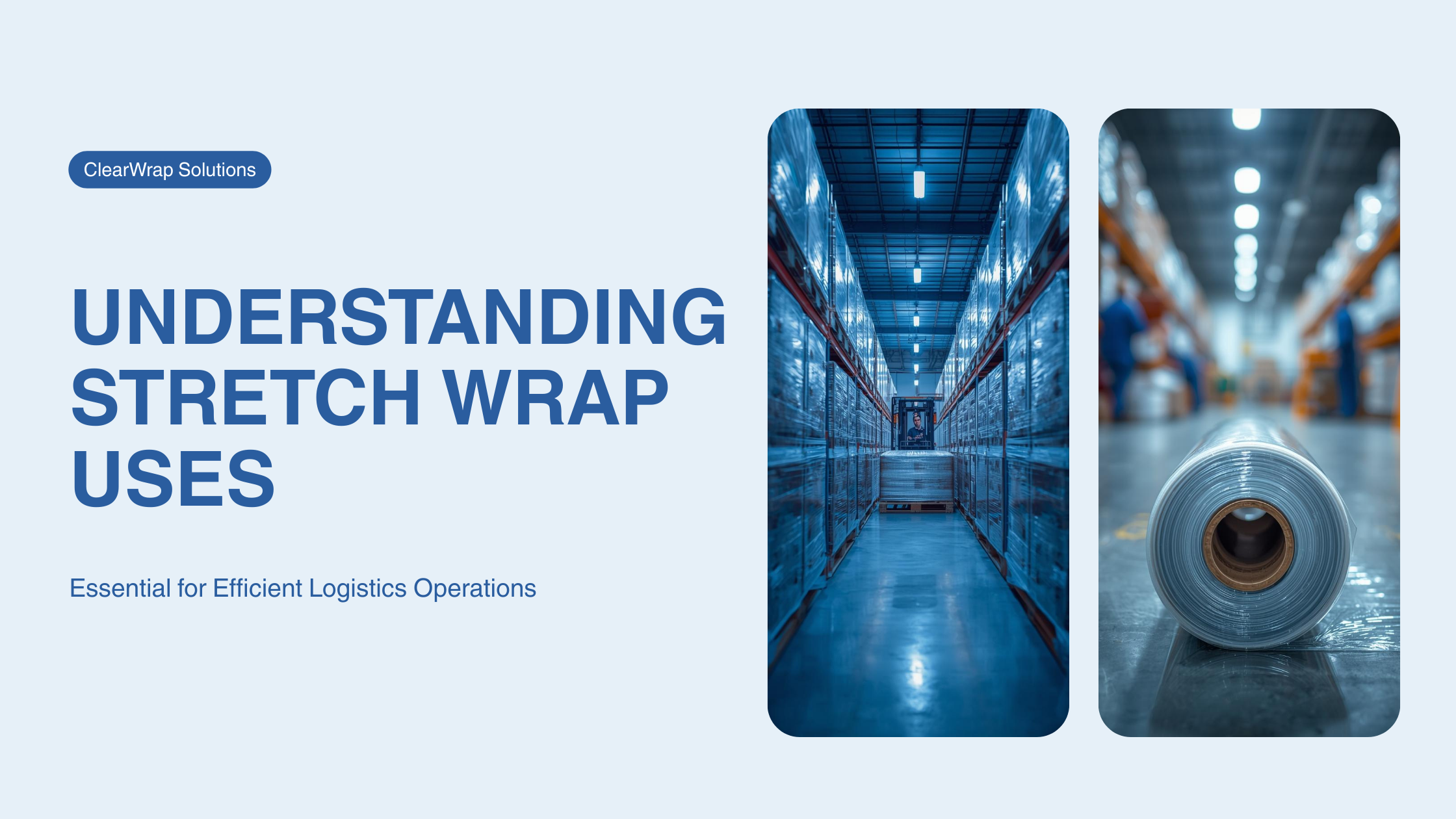
In modern supply chains, packaging plays a critical role in protecting goods and ensuring efficient transportation. One material widely used in logistics and warehouse operations is stretch wrap, also known as stretch film or pallet wrap. This flexible packaging film helps secure products, stabilize pallet loads, and protect items during storage and shipping.
Stretch wrap has become an essential part of industrial packaging because it offers an efficient way to bundle products together without the need for adhesives, straps, or heat sealing. From distribution centers to manufacturing facilities, businesses rely on stretch wrap to improve packaging efficiency and reduce product damage during transport.
This article explains how stretch wrap is used in logistics and warehousing, its benefits, and why it remains one of the most important packaging materials in modern supply chains.
What Is Stretch Wrap?
Stretch wrap is a highly elastic plastic film typically made from polyethylene. It is designed to stretch tightly around products or palletized loads, creating a secure hold that keeps items stable during handling and transportation.
When wrapped around stacked boxes or goods on a pallet, the film creates tension that holds the items together. Because of this ability to secure pallet loads, stretch wrap is often referred to as pallet wrap.
Unlike shrink film, stretch wrap does not require heat. Instead, it relies on the natural elasticity of the material to maintain load stability.
Why Stretch Wrap Is Important in Logistics
Logistics operations involve moving goods through multiple stages, including storage, handling, and transportation. During these processes, products can shift, fall, or become damaged if they are not properly secured.
Stretch wrap helps prevent these issues by keeping products tightly bundled together on pallets. By stabilizing the load, it reduces the risk of product damage and improves overall transportation safety.
Because it is easy to apply and cost-effective, stretch wrap is widely used in warehouses, manufacturing plants, and distribution centers.
Common Uses of Stretch Wrap in Warehousing
Stretch wrap serves several important functions in warehouse operations.
1. Securing Pallet Loads
One of the most common uses of stretch wrap is stabilizing palletized goods. Boxes stacked on pallets can shift during movement, especially when transported by forklifts or trucks. Wrapping the pallet with stretch film keeps the load tightly secured.
2. Protecting Products During Storage
Warehouse environments can expose goods to dust, moisture, and dirt. Stretch wrap provides a protective barrier that helps maintain product quality while items are stored.
3. Bundling Items Together
Stretch wrap is often used to bundle smaller packages or products together for easier handling. This is particularly useful when shipping multiple items as a single unit.
4. Improving Warehouse Efficiency
Wrapped pallets are easier to move with forklifts and pallet jacks. This improves efficiency in warehouse operations and reduces the risk of product damage during handling.
Stretch Wrap in Transportation and Shipping
In logistics, goods are frequently transported over long distances by trucks, ships, or rail systems. During transit, pallets may experience vibrations or sudden movements that can cause items to shift.
Stretch wrap helps stabilize the pallet load and prevents boxes from falling or sliding during transport. This is especially important for fragile or high-value products.
By securing shipments properly, companies can reduce product loss and minimize returns caused by transportation damage.
Types of Stretch Wrap Used in Logistics
Different types of stretch wrap are used depending on the packaging process and operational requirements.
Hand Stretch Wrap
Hand stretch wrap is applied manually and is commonly used in small warehouses or packaging areas where pallet wrapping machines are not available.
Machine Stretch Wrap
Machine stretch wrap is designed for automated pallet wrapping systems used in high-volume distribution centers.
Vented Stretch Wrap
Vented stretch wrap contains small holes that allow airflow around the wrapped pallet. This type of film is often used when transporting perishable goods such as fruits and vegetables, where ventilation helps reduce condensation and spoilage.
Benefits of Using Stretch Wrap in Supply Chains
Stretch wrap provides several advantages that make it a preferred packaging solution in logistics operations.
Load Stability
Stretch wrap keeps products firmly secured on pallets, preventing shifting during storage and transport.
Product Protection
The film provides protection from dust, dirt, and moisture, helping maintain product quality.
Reduced Packaging Costs
Because stretch wrap can stretch significantly, a relatively small amount of film can secure large loads.
Improved Handling
Wrapped pallets are easier to handle and transport with warehouse equipment.
Packaging Flexibility
Stretch wrap can adapt to different shapes and sizes of loads, making it suitable for a wide range of products.
Stretch Wrap and Industrial Packaging Systems
Stretch wrap plays an important role in modern industrial packaging systems. It allows companies to package products quickly while maintaining load security.
In many industries, stretch film is used alongside other packaging materials such as cartons, strapping, and protective films to ensure safe transportation of goods.
By combining these packaging solutions, businesses can improve product protection and maintain efficient supply chain operations.
Conclusion
Stretch wrap is a fundamental packaging material used across logistics and warehousing operations. Its ability to secure pallet loads, protect goods, and improve handling efficiency makes it an essential tool for modern supply chains.
From stabilizing palletized shipments to protecting products in storage, stretch wrap helps businesses reduce damage, improve operational efficiency, and ensure safe product delivery.
As logistics networks continue to grow and evolve, stretch wrap will remain a key component of industrial packaging systems worldwide.
