
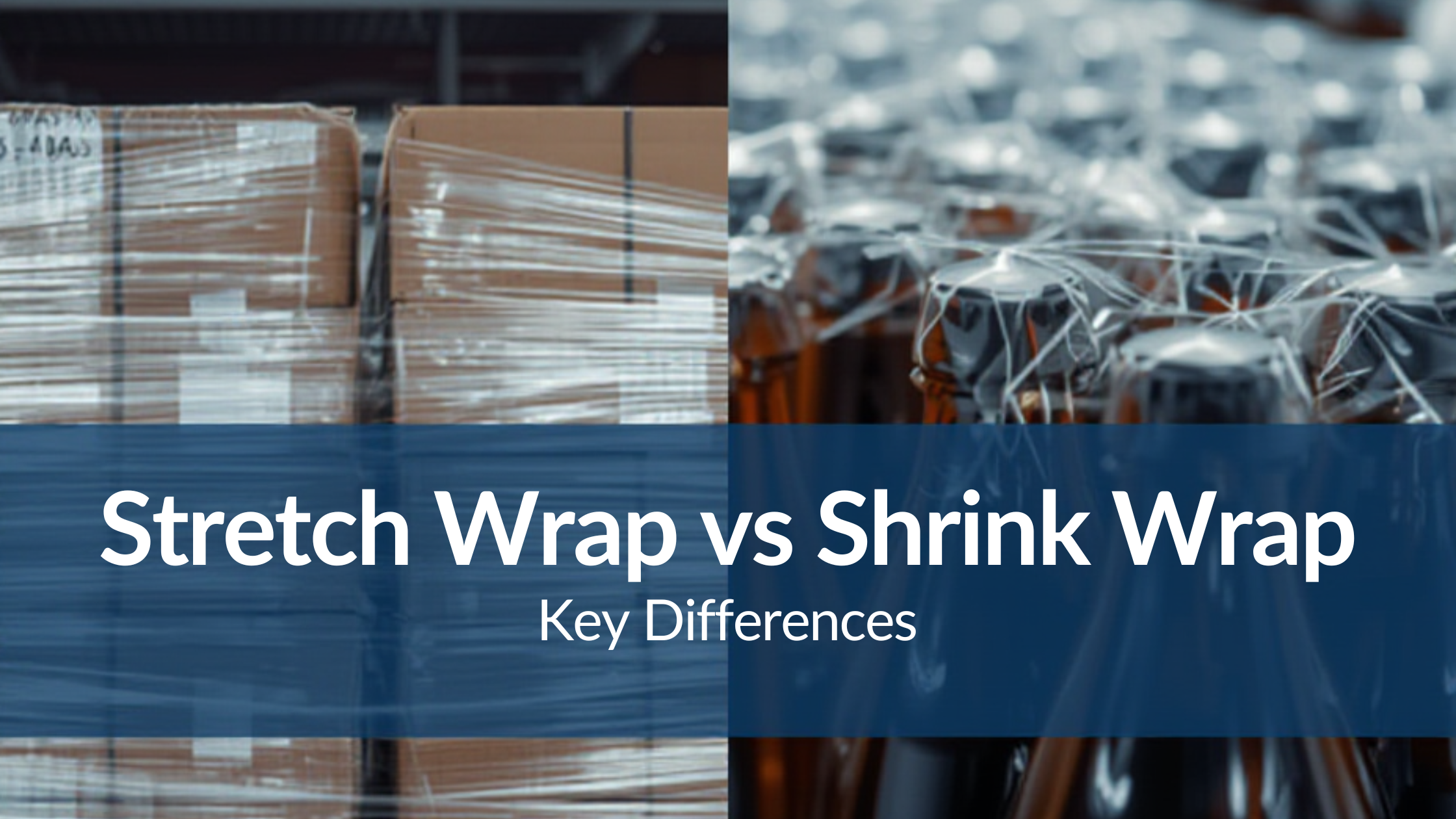
Stretch Wrap vs Shrink Wrap: Key Differences in Packaging
In modern logistics and industrial packaging, choosing the right packaging material is essential for protecting products during storage, transportation, and distribution. Two widely used packaging materials are stretch wrap and shrink wrap, both of which are plastic films designed to secure and protect products. However, despite their similar appearance, they function in very different ways.
Businesses in manufacturing, logistics, warehousing, and export industries commonly rely on stretch wrap to secure pallet loads and stabilize shipments. Meanwhile, shrink wrap is widely used in retail packaging and product bundling where a tight seal around the product is required.
Understanding the key differences between stretch wrap and shrink wrap helps companies select the most efficient packaging solution for their products and supply chain operations.
What Is Stretch Wrap?
Stretch wrap, also known as stretch film or stretch wrap roll, is a highly stretchable plastic film typically made from polyethylene. It is designed to be stretched and wrapped tightly around products or pallet loads to secure them together.
Because of its elasticity, stretch wrap can create a firm grip around items without the need for adhesives or heat sealing. This makes it an efficient packaging material for warehouses and shipping operations.
Stretch film is commonly used as pallet wrap, where it secures multiple boxes or products stacked on a pallet. By stabilizing the load, stretch wrap prevents shifting during transportation and reduces the risk of product damage.
Key Characteristics of Stretch Wrap
-
Highly elastic polyethylene film
-
Provides tight load containment
-
Does not require heat sealing
-
Available in hand rolls and machine rolls
-
Protects products from dust, dirt, and moisture
Because of these features, stretch wrap has become a standard packaging material in logistics and distribution industries worldwide.
What Is Shrink Wrap?
Shrink wrap is another plastic packaging film that shrinks tightly around products when heat is applied. Unlike stretch wrap, shrink wrap is loosely placed around a product and then heated using a heat gun or shrink tunnel.
When exposed to heat, the material contracts and forms a tight seal around the product.
Shrink wrap is commonly used in retail packaging, consumer goods packaging, and product bundling where a tight and professional appearance is required.
Common Uses of Shrink Wrap
Shrink wrap is frequently used for:
-
Food and beverage packaging
-
Retail product packaging
-
Electronics packaging
-
Pharmaceutical products
-
Multipack consumer goods
Because shrink film forms a tight seal around the product, it provides tamper evidence and improved product presentation.
Key Differences Between Stretch Wrap and Shrink Wrap
Although stretch wrap and shrink wrap are both used in packaging operations, their functionality and application processes are very different.
| Feature | Stretch Wrap | Shrink Wrap |
|---|---|---|
| Application Method | Wrapped tightly by stretching | Heated to shrink around product |
| Material Behavior | Elastic and stretchable | Contracts when heated |
| Equipment Required | Hand wrapping or pallet wrapping machines | Heat gun or shrink tunnel |
| Main Use | Securing pallet loads | Sealing individual products |
| Industry Use | Logistics, warehousing, export | Retail and consumer packaging |
In simple terms, stretch wrap stabilizes loads, while shrink wrap seals products.
Advantages of Stretch Wrap in Industrial Packaging
Stretch wrap plays a major role in modern logistics operations because of its ability to secure pallet loads efficiently.
Load Stability
Stretch film tightly binds products together on pallets, preventing movement during transportation and reducing the risk of damage.
Cost-Effective Packaging
Because stretch wrap can stretch significantly, less material is required to secure large loads. This makes it a cost-effective packaging solution.
Protection from Environmental Factors
Stretch wrap provides protection against dust, moisture, and dirt, helping maintain product quality during storage and shipping.
Reduced Product Damage
By stabilizing pallet loads, stretch wrap reduces product breakage and lowers the chances of returns due to transport damage.
Advantages of Shrink Wrap
Shrink wrap also offers several advantages depending on the packaging requirement.
Tight Product Sealing
Shrink film forms a tight seal around products, offering excellent protection.
Tamper Evidence
If shrink wrap is opened or damaged, it becomes clearly visible, providing security for packaged products.
Improved Retail Display
Shrink wrap provides a clean and transparent finish, making it ideal for retail shelves.
Stretch Film Applications in Logistics and Warehousing
Stretch wrap is widely used in logistics, warehousing, and shipping industries because it helps stabilize large pallet loads during transport.
Some of the most common applications include:
-
Securing palletized goods
-
Bundling boxes and cartons
-
Protecting export shipments
-
Stabilizing warehouse storage loads
In many industrial operations, plastic wrap roll or pallet wrap is used to unitize products for efficient handling with forklifts and pallet jacks.
Special Types of Stretch Film
Modern packaging solutions offer several types of stretch film designed for specific applications.
Hand Stretch Film
Hand stretch film is applied manually and is commonly used in small warehouses or packing stations.
Machine Stretch Film
Machine stretch film is designed for automated pallet wrapping machines used in high-volume packaging operations.
Vented Stretch Film
Vented stretch film contains die-cut holes that allow airflow. This type of film is especially useful for perishable goods such as fruits and vegetables, where proper ventilation helps reduce condensation and spoilage.
Choosing the Right Stretch Film Manufacturer
When selecting a stretch film supplier, businesses should consider several important factors:
-
Film quality and durability
-
Customization options for thickness and width
-
Consistent product performance
-
Reliable supply and global distribution
A trusted manufacturer can provide tailored packaging solutions that match specific industry requirements.
Tilak Polypack – Trusted Stretch Film Manufacturer
Tilak Polypack is a leading manufacturer and supplier of high-quality stretch film and pallet wrap solutions used across multiple industries.
With over 20 years of industry experience, the company provides customized stretch film products designed to meet diverse packaging requirements. Businesses can choose from different film thicknesses, widths, and roll sizes depending on their packaging operations.
Tilak Polypack supplies stretch film to several global markets including:
-
United States
-
Singapore
-
Australia
-
Germany
-
Canada
-
New Zealand
-
United Kingdom
-
Ireland
-
Norway
This international presence reflects the company’s reputation as a reliable provider of industrial packaging films.
Benefits of Using Stretch Wrap Roll
Businesses across industries use stretch wrap because of its many operational benefits.
Key advantages include:
-
Improved pallet load stability
-
Protection from dust and moisture
-
Reduced packaging waste
-
Cost-effective packaging solution
-
Easy identification with transparent film
-
Versatile use for pallets and bundles
-
Enhanced packaging efficiency
These benefits make stretch film an essential packaging material for logistics and export operations.
Conclusion
Both stretch wrap and shrink wrap play important roles in modern packaging systems, but they serve different purposes.
Stretch wrap is primarily used for securing pallet loads and stabilizing shipments, making it ideal for warehouses, logistics companies, and export packaging operations. Shrink wrap, on the other hand, is designed for tightly sealing individual products, making it more suitable for retail packaging.
By understanding these differences, businesses can select the right packaging solution that ensures better product protection, improved efficiency, and cost-effective shipping operations.
