
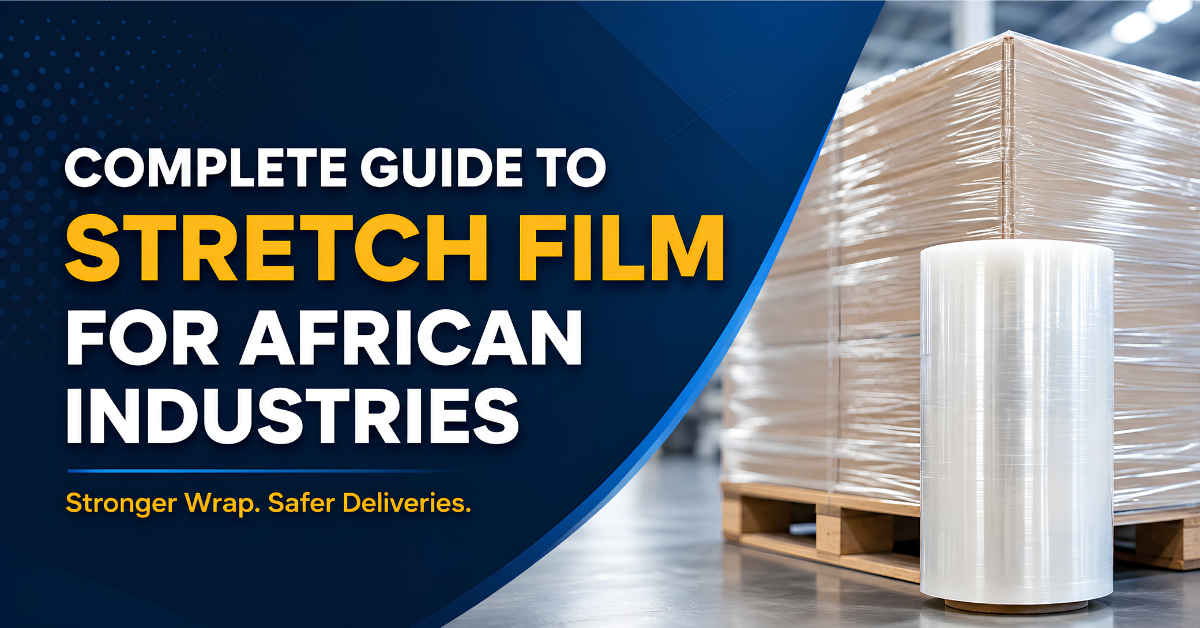
Stretch film is a vital component in the packaging industry. It ensures products are securely wrapped and protected.
In Africa, industries rely on stretch film for efficient packaging solutions. It helps reduce damage during transport and storage.
This guide explores the various types of stretch film available. It highlights their applications and benefits for African industries.
Understanding stretch film can enhance your packaging strategy. It can lead to cost savings and improved product safety.
Join us as we delve into the world of stretch film. Discover how it can transform your industrial packaging needs.
What is Stretch Film? An Overview
Stretch film is a highly stretchable plastic film. It’s used to wrap products for secure packaging. This process ensures product stability and protection.
Made from linear low-density polyethylene (LLDPE), stretch film offers excellent properties. It provides puncture resistance and clings to surfaces effectively. These features make it a reliable choice for industrial use.
Stretch film serves multiple purposes across various sectors. Commonly, it’s seen in food, pharmaceuticals, and electronics. The adaptability of stretch film makes it indispensable in industrial operations.
Key Characteristics of Stretch Film:
- Elasticity: Enables wrapping around irregular items.
- Durability: Resists punctures and tears.
- Cost-Effectiveness: A budget-friendly option for large-scale use.
Understanding these characteristics can aid in selecting the right stretch film for specific needs.
By incorporating stretch film, industries can enhance their packaging solutions. It’s a critical component in modern logistics and supply chain management.
Types of Stretch Film Used in African Industries
Stretch film serves diverse packaging needs in Africa. There are various types, each designed for specific applications. Industrial operations benefit from selecting the right type.
Hand stretch film is applied manually and is ideal for smaller operations. It’s perfect for businesses without machines or automation. In contrast, machine stretch film is used with automated systems, catering to larger operations. This film type provides higher efficiency and consistency.
Specialty stretch films address unique requirements such as environmental exposure and product aesthetics. Their advantages are crucial in sectors like manufacturing and logistics.
Common Types of Stretch Film:
- Hand Stretch Film: For manual wrapping.
- Machine Stretch Film: For automated wrapping.
- Specialty Films: Including UV protection, colored, and vented options.
Selecting the right stretch film type can improve operational efficiency and reduce costs.
Understanding these varieties enables better decisions that align with industrial requirements. This knowledge helps in optimizing packaging operations in African industries.
Hand Stretch Film vs. Machine Stretch Film
Hand stretch film and machine stretch film serve different purposes. Choosing between them depends on specific industrial needs.
Hand stretch film is cost-effective for low-volume packaging. It offers flexibility and is suitable for small businesses. Machine stretch film, however, works well for large-scale operations, providing uniformity and speed.
Key Differences:
- Application Method: Manual for hand, automated for machine.
- Efficiency: Machine film improves speed and consistency.
- Cost: Hand film is cheaper but less efficient for high-volume jobs.
Selecting the suitable option requires consideration of operation size and budget.
Specialty Stretch Films: UV, Colored, and Vented
Specialty stretch films address unique packaging challenges. These films serve specific purposes beyond standard protection.
UV stretch film protects goods from harmful sun exposure. Colored stretch film aids in color-coding and branding, while vented stretch film provides airflow for fresh produce.
Features of Specialty Films:
- UV Film: Shields against sun damage.
- Colored Film: Enhances branding.
- Vented Film: Allows breathability.
These films provide innovative solutions to specialized industrial problems, enhancing product care and recognition.
Key Benefits of Industrial Stretch Wrap
Industrial stretch wrap offers numerous advantages for businesses. It enhances product protection during transport and storage, ensuring goods remain intact. This reduces the risk of damage, saving costs associated with product loss.
Another benefit is operational efficiency. Stretch wrap simplifies packaging processes, making them faster and requiring less labor. This improvement can lead to lower labor costs and increased productivity in the long run.
Stretch wrap also provides excellent load stability. By securing products on pallets, it minimizes shifts and movements that might cause accidents or damage. This stability is crucial for maintaining product integrity during handling and transportation.
Notable Benefits of Industrial Stretch Wrap:
- Cost Savings: Reduces damages and lowers labor expenses.
- Load Stability: Enhances safety and integrity during transport.
- Efficiency: Streamlines packaging operations and boosts productivity.
Moreover, stretch wrap is versatile and adaptable to various packaging needs. Its ability to be customized makes it a preferred choice for many African industries.
Common Stretch Film Applications in African Industries
Stretch film serves a wide array of functions across multiple sectors in Africa. It is predominantly used for safeguarding goods during shipment, reducing the chances of damage. This application is vital for industries such as food and beverage, ensuring products reach destinations without spoilage.
In manufacturing, stretch film wraps metal products to prevent rust and other forms of corrosion. Electronics firms also rely on this film to protect sensitive components from dust and moisture. Stretch wrap’s versatility ensures it is indispensable in many production lines.
Stretch Film Applications Include:
- Food Packaging: Protects from contamination.
- Pharmaceuticals: Ensures secure and sterile transport.
- Electronics: Shields from dust and moisture.
Moreover, stretch film aids in managing warehouse spaces by tightly bundling goods. This improves space utilization and helps organize inventory efficiently.
How to Choose the Right Industrial Packaging Film
Selecting the right stretch film involves evaluating several factors. Primarily, consider the weight and dimensions of the load you are wrapping. Heavier and larger loads necessitate thicker films with higher tensile strength.
Assess the environmental conditions your package will encounter during transit. For instance, extreme temperatures might require specialized films like UV or vented types to ensure optimal protection.
Understanding the transportation route is key. Long-distance travel might demand films with greater cling and puncture resistance. Conversely, short hauls may allow for lighter gauges, reducing costs without sacrificing security.
Key Considerations When Choosing Stretch Film:
- Load Weight: Match film strength to load.
- Environment: Adapt to temperature and humidity.
- Distance: Longer routes need tougher films.
Lastly, don’t overlook supplier reliability. Partnering with reputable stretch film suppliers guarantees product quality and delivery consistency. This helps in maintaining seamless operations and avoiding unnecessary setbacks.
Leading Stretch Film Suppliers in Africa
Finding reliable stretch film suppliers can significantly impact an industry’s operations. Africa boasts a growing number of manufacturers and distributors dedicated to high-quality packaging solutions. These suppliers offer a wide range of industrial packaging films tailored to diverse needs.
Some top suppliers have established comprehensive networks across the continent. They not only supply a variety of stretch films but also provide critical advice on product selection. Their expertise helps businesses maximize efficiency and reduce packaging costs effectively.
Top Considerations When Selecting a Supplier:
- Product Range: Availability of different film types.
- Customer Service: Prompt responses and assistance.
- Delivery Network: Efficient and reliable delivery.
Ultimately, choosing the right supplier supports sustained operations and offers peace of mind, knowing your packaging needs are met proficiently.
Best Practices for Using Stretch Wrap Solutions
Proper use of stretch wrap solutions can enhance product security and minimize waste. It’s important to ensure consistent application techniques across your operations. This helps maintain load stability during transport and storage.
Training staff on the correct techniques enhances efficiency and reduces film usage. Proper tension and overlap are crucial for optimal hold and protection. Regularly inspecting equipment and ensuring it’s in good condition can also improve wrapping outcomes.
Key Best Practices:
- Inspect Equipment: Keep tools in top shape.
- Uniform Application: Ensure consistent wrap patterns.
- Staff Training: Educate staff on proper use.
Following these practices helps in achieving superior results, safeguarding your goods effectively through all stages of transportation.
Sustainability and Recycling: Eco-Friendly Stretch Film Options
The demand for sustainability in industrial packaging is on the rise. Eco-friendly stretch films are gaining popularity as they help reduce environmental impact. These biodegradable options are designed to break down faster than traditional films, lessening waste.
Selecting stretch films that are recyclable can significantly decrease your environmental footprint. Look for materials that enable recycling while retaining essential performance features. Many suppliers now offer films made from recycled content, supporting a circular economy.
Key Eco-Friendly Features:
- Biodegradable: Breaks down more quickly.
- Recyclable: Allows for reuse and reduction of waste.
- Recycled Content: Made from sustainable materials.
Conclusion: The Future of Stretch Film in African Industries
Stretch film’s role in African industries is set to grow. It offers effective solutions for packaging, boosting both efficiency and security. As industries expand, the demand for reliable packaging will rise.
Emphasis on sustainability will shape future developments in stretch film. Companies are exploring eco-friendly options to reduce environmental impact. This innovation will ensure that stretch film remains a critical component in modern industry practices across Africa. As a result, its benefits and applications will continue to evolve.