
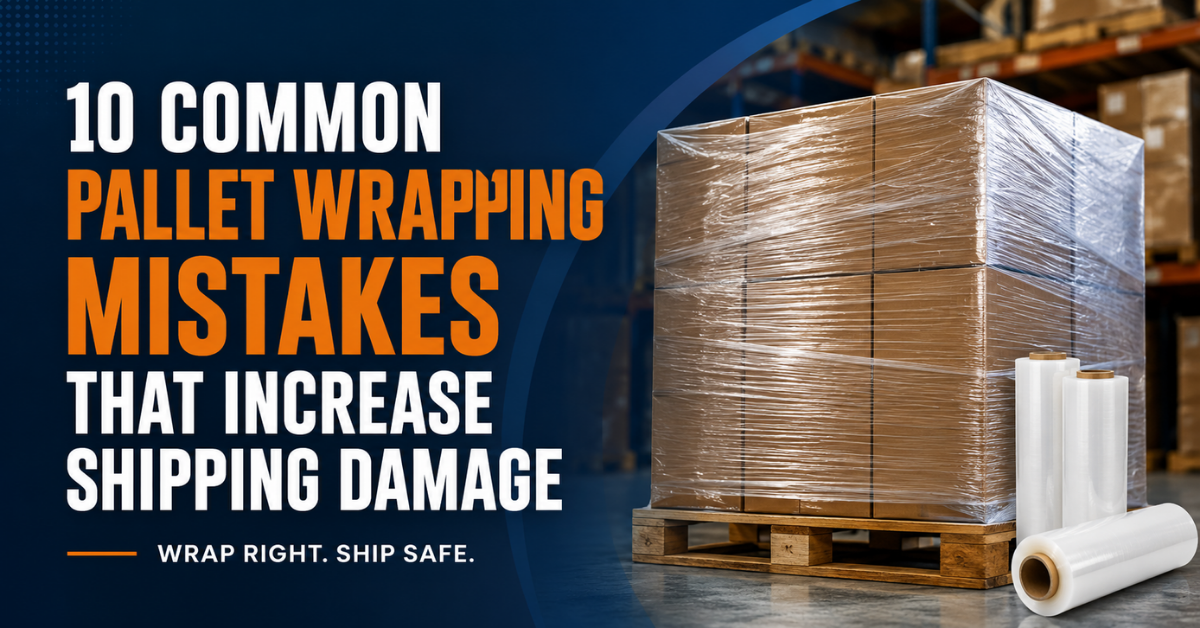
Pallet wrapping is a crucial step in warehouse packaging. It ensures load stability and protects goods during transit. However, common mistakes can lead to shipping damage.
Using the wrong stretch film is a frequent error. It can compromise pallet protection and increase costs. Proper selection is key.
Overstretching or understretching the film affects load stability. Both can result in packaging errors and potential damage.
Incorrect wrapping techniques are another issue. They can create weak points and lead to inefficiencies. Training is essential to avoid these pitfalls.
Ignoring weight distribution can cause instability. It’s vital to consider this when wrapping pallets. Proper alignment is crucial.
Damaged pallets undermine wrapping efforts. They can lead to increased shipping damage. Always inspect pallets before use.
Regular audits and inspections help identify issues. They ensure consistent quality and reduce the risk of damage.
Why Proper Pallet Wrapping Matters
Proper pallet wrapping is vital in preventing shipping damage. It ensures that products remain stable during transit. When done correctly, it minimizes the risk of shifting or toppling.
In the logistics industry, pallet protection helps to save costs. Reducing damaged goods means fewer returns and replacements. This boosts customer satisfaction and operational efficiency.
Several factors highlight the importance of efficient pallet wrapping:
- It enhances load stability.
- It reduces packaging errors.
- It improves transport safety.
Incorrect wrapping can lead to significant financial losses. The cost of damaged goods can quickly add up. This makes effective wrapping an essential practice for warehouse operations.
Moreover, well-wrapped pallets present a professional image. They reflect a company’s commitment to quality and reliability. This approach bolsters business reputation and customer trust.
Mistake 1: Using the Wrong Type of Stretch Film
Choosing the correct stretch film is crucial for effective pallet wrapping. Different loads require different film types. Using the wrong type can lead to insufficient pallet protection.
Each stretch film type has specific characteristics. For example, some films are designed for high puncture resistance. Others are better for heavy loads due to their elasticity.
Consider these factors when selecting stretch film:
- The weight and fragility of the load
- The shape and size of the pallet contents
- Environmental conditions, such as humidity or temperature
Ignoring these factors can result in compromised load stability. Using a film that doesn’t suit the load’s needs may lead to tearing or slippage. Proper film choice is essential to ensuring minimal shipping damage.
Mistake 2: Overstretching or Understretching the Film
Using incorrect tension when wrapping can affect the stability of the load. Overstretching the film may cause it to tear easily, leaving the pallet vulnerable. On the other hand, understretching may not provide adequate load containment, leading to shifting during transport.
To ensure optimal wrap quality, adjusting the tension of the stretch film is crucial. The film should be tight enough to secure the load but not so tight that it compromises the film’s integrity.
Consider these tips to avoid overstretching or understretching:
- Regularly calibrate wrapping machines
- Use proper tension settings based on load type
- Train staff in correct film application techniques
Inadequate tension adjustments can result in shipping damage. Properly managing film tension helps maintain load stability and security.
Mistake 3: Failing to Secure the Load to the Pallet
Securing the load to the pallet is crucial for preventing movement during transit. Without this step, even a well-wrapped pallet can become unstable.
This issue often arises from a poor connection between the load and the pallet base. Such inadequacies can lead to tipping or shifting, increasing the risk of damage.
To properly secure loads to pallets, consider the following:
- Use rope or straps for tight securing
- Ensure the stretch film covers the base of the load
- Utilize corner boards for added protection
By ensuring the load is firmly attached to the pallet, you improve shipping efficiency and reduce the likelihood of shipping damage. Proper connections are key to safe transportation.
Mistake 4: Incorrect Wrapping Techniques
Incorrect wrapping techniques are a common cause of shipping damage. Many overlook the importance of proper wrap application, leading to weakened protection.
Effective wrapping isn’t just about covering the load. It requires specific methods to ensure strength and stability. Incorrect techniques can result in loose ends and weak spots that jeopardize the entire load.
To improve wrapping techniques, consider the following:
- Maintain consistent tension throughout the wrap
- Avoid excessive overlaps that waste material
- Ensure even application for load stability
Investing time in mastering proper wrapping techniques is essential. This effort reduces packaging errors and enhances the protection of goods during transportation.
Mistake 5: Not Using Enough Layers of Industrial Stretch Wrap
Insufficient layering with industrial stretch wrap is a frequent oversight in pallet protection. Many assume fewer layers suffice, risking load stability.
Adequate layers are crucial for preventing damage and securing the load. Without enough layers, the film can easily tear or fail during transit, exposing the products.
For optimal protection, ensure that:
- Multiple layers of stretch wrap are applied
- Each layer is evenly distributed
- Extra layers cover critical areas like corners
Applying the right amount of industrial stretch wrap enhances load security. This practice mitigates shipping damage and ensures goods reach their destination intact. Investing in sufficient layering will save costs in the long run by reducing product loss.
Mistake 6: Ignoring Weight Distribution and Load Stability
Neglecting weight distribution is a common cause of load instability. Uneven weight can make pallets prone to tipping during transit.
Balanced weight distribution is key to maintaining load stability and preventing shipping damage. Loads that are improperly balanced can shift, leading to packaging errors.
Consider the following strategies to ensure stability:
- Place heavier items at the bottom
- Distribute weight evenly across the pallet
- Avoid overhanging items on the pallet edges
Ensuring proper weight distribution enhances the effectiveness of pallet wrapping. By taking these measures, you protect goods and improve safety during shipping. Addressing weight distribution is crucial for reducing risks and maintaining a reliable shipping process.
Mistake 7: Using Damaged or Weak Pallets
A strong pallet is the foundation of a stable load. Damaged or weak pallets can compromise the integrity of the entire shipment.
When pallets are flawed, they fail to provide necessary support, increasing the risk of shipping damage. This can lead to costly returns and dissatisfied customers.
To prevent such issues, follow these practices:
- Inspect pallets for visible damage before use
- Replace any pallets showing signs of weakness
- Use high-quality materials to ensure durability
By prioritizing pallet quality, you enhance load stability and reduce transit risks. Investing in robust pallets leads to fewer packaging errors and a more efficient shipping process. Always prioritize the use of structurally sound pallets to safeguard your cargo and improve overall shipping reliability.
Mistake 8: Inadequate Staff Training on Wrapping Techniques
Staff expertise plays a crucial role in effective pallet wrapping. When employees lack proper training, wrapping techniques often suffer.
Untrained staff may use incorrect methods, leading to packaging errors and shipping damage. These mistakes can affect load stability significantly.
To enhance staff skills, consider the following steps:
- Conduct regular training sessions on wrapping techniques
- Provide hands-on demonstrations for practical understanding
- Offer refresher courses to keep skills up-to-date
Investing in staff training ensures consistent wrapping quality. It helps reduce the risk of damage during shipping, ensuring a smoother logistics process. By empowering your team with knowledge, you increase efficiency and safeguard your shipments against avoidable errors.
Mistake 9: Overlapping Film Incorrectly or Inconsistently
Overlapping film correctly is vital for ensuring strong pallet wraps. Inconsistent or incorrect overlaps weaken the wrap’s integrity.
When the film overlaps improperly, it can create weak points. These weak spots are prone to tearing, reducing pallet protection.
To avoid this mistake, focus on:
- Keeping overlaps uniform throughout the pallet
- Ensuring overlaps are tight to prevent slack
- Checking overlaps visually for consistency
By paying attention to overlap techniques, you can significantly improve load stability. Consistent overlaps help maintain the wrap’s tension and strength, decreasing the likelihood of shipping damage. Adjust your processes to emphasize correct film overlapping, making your pallet wrapping more reliable.
Mistake 10: Failing to Inspect and Audit Wrapped Pallets
Skipping the inspection of wrapped pallets can lead to significant issues. Without checks, small errors may go unnoticed, increasing shipping damage risks.
Auditing wrapped pallets helps identify common packaging errors before they cause problems. Regular checks ensure that wrapping techniques consistently meet quality standards.
For effective inspection, consider these steps:
- Conduct a visual check of each wrapped pallet
- Look for inconsistencies or damage
- Confirm that the load is secure and stable
Regular audits also help improve warehouse packaging processes over time. By identifying recurring issues, you can implement targeted solutions. This proactive approach enhances load stability and ensures your pallets are always protected during transit.
Best Practices for Effective Pallet Wrapping
Applying best practices in pallet wrapping can significantly reduce shipping damage. Proper techniques ensure each load’s safety and stability during transit.
Start with selecting the right stretch film. Choose materials that fit the specific needs of your load type. Consider factors like weight, size, and destination conditions.
Incorporate consistent wrapping techniques. Use a uniform pattern to apply layers evenly. This strengthens load containment and minimizes the risk of shifting.
Regularly train and update staff on the latest wrapping methodologies. Engaged and knowledgeable employees are crucial for maintaining high wrapping standards.
To enhance pallet protection, consider these tips:
- Use corner boards for edge protection
- Ensure the load is well-centered on the pallet
- Inspect wrapping equipment for wear and tear
Adhering to these practices will bolster your overall warehouse packaging strategy. Consistently applied, they safeguard your shipments against potential damage.
Conclusion: Reducing Shipping Damage with Better Pallet Protection
Enhancing pallet protection effectively minimizes shipping damage. By understanding common wrapping errors, you can implement targeted improvements.
Focus on selecting the right materials and techniques. Consistent training and equipment checks further ensure reliable results. Together, these strategies protect loads and reduce costs associated with shipping damage. Adopting best practices in pallet wrapping not only strengthens load stability but also boosts overall operational efficiency.