
Introduction
Selecting the right packaging film is far more than a routine purchasing decision. In industrial operations, the packaging film you choose directly influences product protection, transportation efficiency, storage conditions, operational costs, and customer satisfaction. Whether you manufacture food products, pharmaceuticals, consumer goods, agricultural products, construction materials, or industrial components, using the appropriate packaging film helps protect your products throughout the supply chain while improving overall business efficiency.
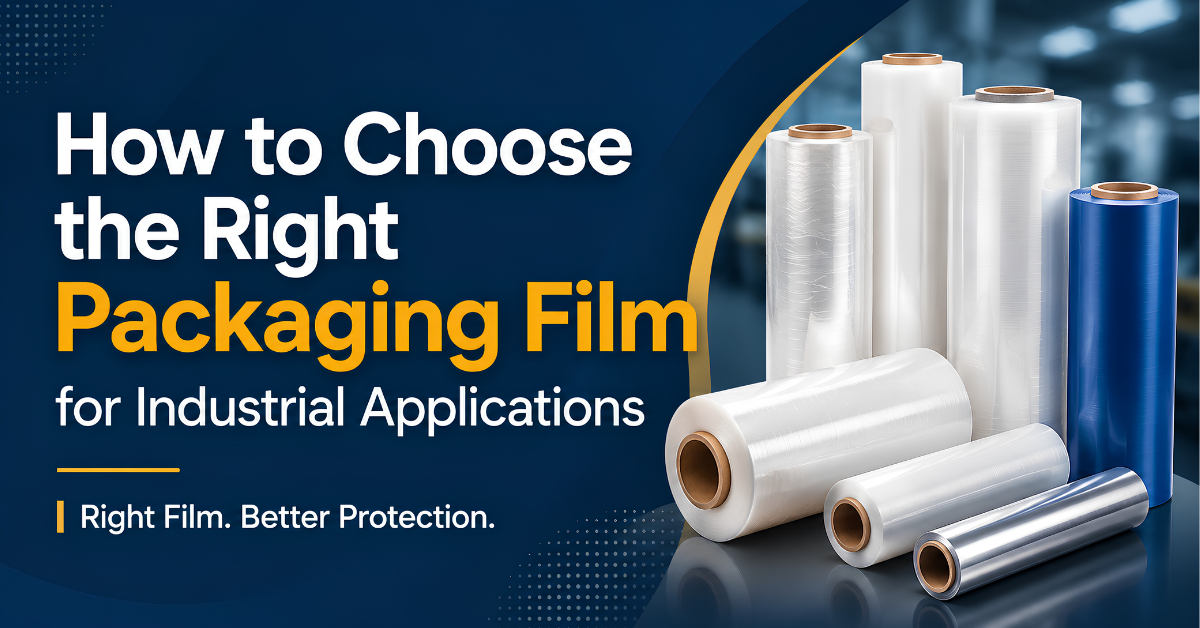
Today’s industries have access to a wide range of packaging films, each designed for specific applications. Stretch films secure pallet loads during transportation, lamination films enhance product appearance and durability, surface protection films prevent scratches on finished products, while agricultural films support modern farming operations. Choosing the wrong film can lead to damaged goods, increased waste, higher logistics costs, and unnecessary downtime.
This guide explains the different types of industrial packaging films, their applications, and the key factors businesses should evaluate before selecting a packaging solution. By understanding these considerations, manufacturers, distributors, exporters, and industrial buyers can make informed decisions that improve packaging performance while supporting long-term operational efficiency.
What Is Packaging Film?
Packaging film is a flexible polymer-based material used to protect, preserve, bundle, wrap, or transport products throughout manufacturing, storage, distribution, and retail. It acts as a protective barrier against moisture, dust, dirt, oxygen, chemicals, UV exposure, and physical damage depending on the type of film being used.
Unlike rigid packaging materials, packaging films provide flexibility while maintaining excellent strength. They are lightweight, easy to handle, and suitable for automated as well as manual packaging systems, making them one of the most widely used packaging materials across industrial sectors.
Industrial packaging films are available in different materials, thicknesses, widths, and performance characteristics to meet various application requirements. Some films focus on product protection during shipping, while others are designed to preserve food freshness, improve shelf appeal, or support agricultural production.
Today, packaging films are widely used in industries including:
- Food processing
- Beverage manufacturing
- Agriculture
- Pharmaceuticals
- Construction
- Warehousing
- Retail distribution
- Textile manufacturing
- Automotive
- Electronics
Because every industry has unique packaging requirements, selecting the right film should always be based on the intended application rather than price alone.
Why Choosing the Right Packaging Film Matters
Packaging plays a critical role throughout the product lifecycle. A well-selected packaging film protects products from the manufacturing floor to the final customer while reducing operational risks.
Better Product Protection
Industrial products are often exposed to vibration, impact, humidity, dust, and changing temperatures during transportation and storage. The appropriate packaging film creates a protective barrier that minimizes damage and preserves product quality until delivery.
For manufacturers shipping products across long distances or exporting internationally, effective packaging protection helps reduce claims, returns, and replacement costs.
Improved Supply Chain Efficiency
Packaging film contributes significantly to supply chain performance. Strong, reliable films help stabilize pallet loads, prevent shifting during transport, and simplify warehouse handling.
Proper load stability allows forklifts, storage systems, and transportation vehicles to operate more efficiently while reducing safety risks.
Reduced Packaging Costs
Choosing the right film is not simply about purchasing the lowest-priced product. High-quality packaging films often provide better performance using less material, reducing waste while maintaining load security.
Businesses that select packaging films based on their operational requirements frequently experience:
- Lower material consumption
- Reduced product damage
- Fewer shipping claims
- Improved packaging productivity
- Lower overall operating costs
Enhanced Product Presentation
Packaging also influences how customers perceive a product. Clean, properly wrapped products demonstrate professionalism and quality.
Retail products, industrial equipment, and export shipments all benefit from packaging films that maintain a neat appearance throughout storage and transportation.
Compliance with Industry Requirements
Many industries operate under strict packaging standards, particularly food processing, pharmaceuticals, agriculture, and export manufacturing.
Selecting packaging films designed for the intended application helps businesses meet customer expectations while supporting quality assurance and regulatory compliance.
Types of Packaging Films Used in Industrial Applications
Different industries require different packaging solutions. Understanding the purpose of each packaging film helps businesses select the most suitable option.
Stretch Film
Stretch film is one of the most widely used industrial packaging materials. It is a highly stretchable plastic film designed to secure palletized goods during storage and transportation. If your business regularly ships palletized products, learn more about our stretch film for industrial packaging
As the film stretches around products, it creates tension that keeps items tightly bound together without requiring adhesives.
Common applications include:
- Warehouse pallet wrapping
- Export packaging
- Distribution centers
- Manufacturing facilities
- Beverage industries
- FMCG packaging
- Logistics operations
Benefits
- Excellent load stability
- Reduced transportation damage
- Protection from dust and moisture
- Improved warehouse handling
- Cost-effective pallet security
Stretch film is available in manual and machine grades depending on packaging volume and operational requirements.
Lamination Film
Lamination films are commonly used to improve both product protection and packaging appearance. These films are applied to printed packaging materials to increase durability while providing resistance against moisture, scratches, grease, and other environmental factors.
Industries frequently using lamination films include:
- Food packaging
- Consumer goods
- Cosmetics
- Pharmaceuticals
- Flexible packaging manufacturers
Besides improving durability, lamination films also enhance print quality and shelf presentation.
Surface Protection Film
Finished products often require temporary protection during manufacturing, storage, and installation.
Surface protection films help prevent:
- Scratches
- Dust accumulation
- Abrasion
- Paint damage
- Surface contamination
They are commonly applied to:
- Stainless steel sheets
- Aluminum panels
- Glass
- Plastic sheets
- Furniture components
- Electronics
- Construction materials
The film can usually be removed without leaving adhesive residue, making it ideal for temporary protection.
Agricultural Film
Agricultural films are specially designed to improve farming productivity and crop protection. These films help farmers create better growing environments while increasing water efficiency and crop quality.
They are widely used for:
- Greenhouse cultivation
- Crop protection
- Soil moisture retention
- Temperature management
- Weed suppression
Modern agricultural films often include features such as UV stabilization and weather resistance, allowing them to perform effectively under challenging outdoor conditions.
Mulch Film
Mulch film is an important agricultural packaging solution that covers the soil around crops. It helps improve growing conditions while reducing resource consumption.
Its primary benefits include:
- Conserving soil moisture
- Suppressing weed growth
- Improving soil temperature
- Reducing fertilizer loss
- Supporting healthier crop development
Mulch films are widely used in vegetable farming, fruit cultivation, commercial agriculture, and horticulture.
Milk Packaging Film
Milk packaging film is specifically developed for dairy applications where product safety, hygiene, and sealing performance are critical.
These films are designed to provide:
- Leak resistance
- Strong sealing performance
- Product freshness
- Hygienic packaging
- Efficient processing on automatic filling machines
Milk packaging films are commonly used for milk pouches and other liquid dairy products.
Packaged Drinking Water Film
The packaged drinking water industry requires packaging films that combine strength, hygiene, and consistent sealing performance. Since water pouches are transported, stacked, and stored in different environments, the film must protect the product without compromising quality.
A high-quality packaged drinking water film is designed to withstand filling, sealing, handling, and transportation while helping maintain product integrity. Manufacturers often look for films that provide excellent seal strength, puncture resistance, and compatibility with automatic packaging machines.
Key benefits include:
- Reliable sealing performance
- Leak resistance during transportation
- Consistent machine performance
- High clarity for product presentation
- Suitable for large-scale production
Choosing the correct film helps beverage manufacturers reduce production interruptions and minimize product losses caused by packaging failures.
How to Choose the Right Packaging Film
Every business has unique packaging requirements. Rather than selecting a film based solely on cost, businesses should evaluate how the packaging will perform throughout manufacturing, storage, transportation, and final delivery.
1. Understand Your Product
The first step is identifying what needs to be protected.
Ask questions such as:
- Is the product heavy or lightweight?
- Is it fragile?
- Does it contain food or liquids?
- Will it be stored indoors or outdoors?
- Does it require moisture protection?
- Is surface protection necessary?
For example:
- Heavy pallet loads generally require strong stretch film.
- Fresh agricultural produce may require specialized agricultural films.
- Decorative panels benefit from surface protection film.
- Dairy products require hygienic milk packaging films.
Matching the film to the product helps improve packaging performance and reduce unnecessary costs.
- Consider Transportation Conditions
Packaging should perform well throughout the shipping process.
Products may experience:
- Long-distance transportation
- Repeated loading and unloading
- Humid environments
- High temperatures
- Rough handling
- Outdoor storage
Choosing a film that can withstand these conditions helps prevent torn packaging, unstable loads, and damaged products.
Businesses exporting products across Africa or internationally should pay particular attention to transportation requirements when selecting packaging materials.
- Evaluate Film Thickness
Film thickness significantly affects packaging performance.
A film that is too thin may tear easily or fail to secure products properly, while unnecessarily thick film can increase packaging costs without providing additional value.
Instead of assuming thicker is always better, businesses should select a thickness appropriate for:
- Product weight
- Load size
- Transportation distance
- Warehouse conditions
- Packaging equipment
The right balance improves protection while optimizing material usage.
- Review Environmental Conditions
Packaging films may be exposed to different environmental conditions depending on where products are manufactured, stored, or transported.
Important considerations include:
- Humidity
- Dust
- Rain
- Sunlight
- Temperature fluctuations
- UV exposure
For outdoor applications or agricultural use, films designed with weather and UV resistance provide longer service life and better performance.
- Choose the Appropriate Film Type
Not every packaging film serves the same purpose.
Examples include:
| Packaging Film | Typical Application |
| Stretch Film | Securing pallet loads |
| Surface Protection Film | Preventing scratches |
| Lamination Film | Flexible packaging and printing |
| Agricultural Film | Farming and crop protection |
| Mulch Film | Soil moisture conservation |
| Milk Packaging Film | Dairy packaging |
| Packaged Drinking Water Film | Water pouch packaging |
Selecting the correct film type improves efficiency while reducing unnecessary packaging expenses.
Packaging Film Selection by Industry
Industrial packaging requirements vary widely between sectors.
Food Processing Industry
Food manufacturers require packaging films that support hygiene, product freshness, and efficient processing.
Common solutions include:
- Lamination films
- Food packaging films
- Milk packaging films
- Packaged drinking water films
Agriculture
Agricultural operations rely on specialized films that improve crop production and resource efficiency.
Frequently used products include:
- Agricultural films
- Mulch films
- Greenhouse films
These films help improve growing conditions while supporting modern farming practices.
Warehousing and Logistics
Warehouses require packaging materials that improve handling efficiency while protecting products during storage and shipment.
Stretch film remains one of the most widely used packaging materials because it helps stabilize pallet loads and reduce product movement during transportation.
Construction Industry
Construction materials are often exposed to dust, scratches, and rough handling before installation.
Surface protection films provide temporary protection for products such as:
- Glass
- Aluminum
- Stainless steel
- Composite panels
- Decorative surfaces
This helps maintain product quality until installation.
Retail and Consumer Goods
Retail businesses often prioritize packaging that protects products while maintaining a clean, professional appearance.
Packaging films can improve product presentation, reduce handling damage, and support efficient inventory management throughout the supply chain.
Common Mistakes Businesses Should Avoid
Even experienced businesses sometimes select packaging films based on assumptions rather than application requirements.
Some of the most common mistakes include:
Buying Only Based on Price
Choosing the lowest-priced packaging film may reduce initial costs, but poor-quality films can lead to damaged products, increased waste, and higher long-term expenses.
Using One Film for Every Product
Different products require different packaging solutions.
Using the same film for all applications often results in inefficient packaging and inconsistent protection.
Ignoring Transportation Conditions
Products transported over long distances or through varying climates require packaging films capable of maintaining performance throughout the journey.
Ignoring transportation requirements can increase product damage and customer complaints.
Choosing the Wrong Thickness
Both overly thin and unnecessarily thick films can reduce packaging efficiency.
The best choice depends on the product, packaging process, and transportation needs.
Overlooking Supplier Expertise
A reliable supplier can recommend the most suitable packaging solution based on product type, industry requirements, and operational goals.
Working with an experienced manufacturer often helps businesses avoid costly packaging mistakes.
Why Choosing the Right Packaging Film Manufacturer Matters
Selecting the right packaging film is important, but choosing the right manufacturing partner is equally critical.
An experienced manufacturer offers more than just products—they provide consistent quality, technical knowledge, and dependable supply.
When evaluating a packaging film manufacturer, consider:
- Manufacturing experience
- Product quality consistency
- Wide product portfolio
- Modern production facilities
- Export capabilities
- Reliable delivery schedules
- Technical support
- Commitment to quality standards
A long-term supplier relationship can improve packaging performance while supporting business growth and operational efficiency.