
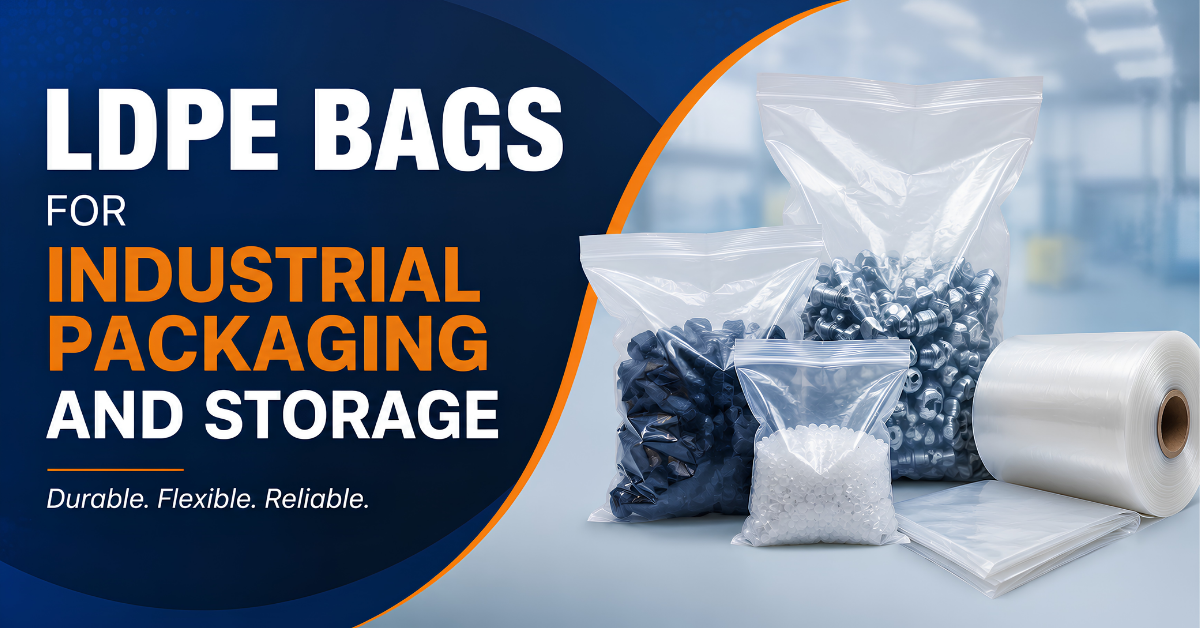
Industrial packaging is expected to do much more than simply hold products. Modern businesses require packaging that protects goods from dust and moisture, supports efficient handling, improves warehouse organization, and withstands transportation without compromising product quality. Across manufacturing, agriculture, retail, food processing, healthcare, and distribution sectors, selecting the right packaging material directly affects operational efficiency and product protection.
This is one reason why LDPE bags South Africa has become an increasingly searched solution among procurement teams and packaging professionals. Low Density Polyethylene (LDPE) bags combine flexibility, durability, lightweight handling, and excellent product visibility, making them suitable for a wide variety of industrial applications. Their ability to accommodate different product shapes while maintaining dependable protection makes them a practical choice for businesses that package products every day.
Unlike one-size-fits-all packaging materials, LDPE bags can support numerous operational requirements—from storing components in warehouses to protecting finished goods before shipping. Understanding where these bags perform best, how they compare with other plastic packaging materials, and what factors influence purchasing decisions allows businesses to invest in packaging that supports long-term productivity rather than simply reducing short-term costs.
Why LDPE Bags Are Widely Used in Industrial Packaging
Industrial packaging demands materials that can adapt to different products without creating unnecessary complexity in the packaging process. LDPE bags have earned their place across multiple industries because they balance flexibility with dependable performance during storage and transportation.
One of their most valuable characteristics is their soft and flexible structure. Unlike rigid packaging materials, LDPE conforms easily around products of different shapes while helping reduce the risk of surface damage during handling. This flexibility also simplifies manual packing operations and supports automated packaging systems used by larger manufacturers and distribution centres.
Another important advantage is product visibility. Clear LDPE bags allow warehouse personnel, retailers, and logistics teams to identify contents quickly without opening the package. Faster product identification improves inventory management, reduces picking errors, and helps streamline warehouse operations where thousands of items move through storage every day.
In addition, LDPE material provides dependable resistance against dust, dirt, and moisture during routine storage and transportation. While packaging requirements vary by industry, these protective characteristics help businesses maintain cleaner products throughout the supply chain.
Industrial Applications of LDPE Bags Across South Africa
The versatility of LDPE makes it suitable for numerous industries rather than a single packaging application. Businesses throughout South Africa rely on different forms of plastic packaging bags depending on the products they manufacture, distribute, or store.
Manufacturing and Industrial Storage
Manufacturing facilities often package machine parts, components, hardware, electrical accessories, and finished products before they enter warehouses or shipping channels. LDPE bags help organize inventory while protecting products from dust accumulation and handling damage during internal movement.
Their lightweight construction also reduces unnecessary packaging weight, making storage and transportation more efficient without sacrificing protection for everyday industrial applications.
Retail and Distribution
Retail operations require packaging that protects products while maintaining an attractive presentation. Transparent LDPE bags make it easier for customers and warehouse personnel to identify packaged products immediately.
Clothing, accessories, household products, consumer goods, and numerous retail items benefit from packaging that combines visibility with cleanliness throughout storage and delivery.
Food Packaging and Processing
Food manufacturers frequently require packaging materials that help maintain hygiene throughout production and distribution processes. LDPE bags are commonly used in applications where flexible packaging supports efficient handling while helping reduce contamination from dust and environmental exposure during storage.
Proper material selection remains important, and businesses should always ensure packaging is appropriate for their intended food application.
Medical and Healthcare
Healthcare environments require dependable packaging solutions for handling various products used in medical settings. Certain LDPE packaging solutions are used to help protect sensitive items during storage and transportation while supporting organized inventory management in healthcare facilities.
Shipping and E-commerce
Mailing products efficiently has become increasingly important as businesses expand their online operations. Flexible industrial bags help reduce packaging bulk compared with rigid containers while protecting products throughout transportation. This contributes to more efficient logistics without unnecessary packaging weight.
What Makes LDPE Different from Other Industrial Bags?
Choosing the correct packaging material often involves comparing different polyethylene options. Although they belong to the same material family, LDPE, HDPE, and LLDPE each offer characteristics suited to different operational requirements.
LDPE
LDPE is recognized for its flexibility, clarity, and soft texture. It performs well in applications requiring visibility, lightweight handling, and adaptable packaging for products with varying shapes.
Its ability to stretch without becoming excessively rigid makes it suitable for numerous commercial packaging operations.
HDPE
High Density Polyethylene offers greater rigidity and higher tensile strength than LDPE. Businesses typically choose HDPE when packaging heavier products that require increased structural support.
The reduced flexibility of HDPE, however, makes it less suitable for applications where product conformity or transparency is important.
LLDPE
Linear Low Density Polyethylene combines flexibility with improved tensile characteristics, providing an alternative for applications requiring higher load capacity while maintaining relatively flexible packaging performance.
Selecting between these materials depends on product weight, handling requirements, storage conditions, visibility needs, and operational priorities rather than assuming one material is universally superior.
Factors Businesses Should Consider Before Choosing LDPE Bags
Selecting industrial packaging involves more than purchasing bags that simply fit the product. Procurement teams should evaluate how packaging supports the entire supply chain, from production through final delivery.
The intended application should always be the starting point. Packaging requirements for retail display differ significantly from warehouse storage, food processing, or industrial component packaging. Understanding how the packaged product will be handled helps determine appropriate material selection.
Bag dimensions also influence operational efficiency. Packaging that is too large wastes material and storage space, while undersized bags may complicate packing operations or reduce product protection. Choosing appropriate sizes helps optimize packaging workflows.
Businesses should also evaluate customization requirements. Many industrial operations require custom dimensions, thickness options, or printed branding to improve product identification and support internal logistics. Packaging consistency across multiple production batches can further improve warehouse organization and purchasing efficiency.
Finally, buyers should consider long-term supplier reliability. Consistent manufacturing quality, dependable supply, and the ability to accommodate bulk industrial requirements often have a greater operational impact than focusing solely on initial purchase price.
Best Practices for Industrial Packaging and Storage
Even high-quality industrial bags perform best when combined with appropriate storage and handling practices. Packaging should always be matched with suitable warehouse conditions and operational procedures.
Products should be stored in clean, dry environments to help preserve packaging integrity throughout storage periods. Although LDPE offers moisture resistance, maintaining proper storage conditions contributes to consistent packaging performance over time.
Warehouse teams should also avoid exposing packaged products to unnecessary heat sources. While LDPE performs well under many normal industrial conditions, understanding material limitations helps businesses avoid inappropriate applications.
Good inventory management further improves packaging efficiency. Clearly identifying packaged products, maintaining organized storage systems, and selecting consistent bag sizes simplify warehouse operations and reduce handling errors.
Businesses that regularly review packaging performance often identify opportunities to improve packing speed, reduce material waste, and enhance logistics efficiency without major operational changes.
Sustainability and the Future of LDPE Packaging
Sustainability has become an important consideration for businesses throughout South Africa. Procurement teams increasingly evaluate packaging not only on performance but also on its environmental impact and long-term resource efficiency.
LDPE packaging continues to evolve through improved manufacturing processes that focus on reducing unnecessary material consumption while maintaining packaging performance. Recyclable LDPE options also contribute to broader sustainability initiatives where appropriate recycling systems are available.
Manufacturers are investing in production methods that improve consistency while supporting more responsible resource utilization. For industrial buyers, this means packaging solutions that continue meeting operational requirements while aligning with evolving environmental expectations.
As supply chains become more efficiency-focused, lightweight packaging materials like LDPE remain attractive because they support transportation efficiency, simplify handling, and help businesses balance operational performance with responsible packaging practices.
For companies seeking dependable packaging for storage, distribution, manufacturing, or retail operations, choosing the right material remains an important part of improving both productivity and product protection.
Conclusion
Industrial packaging plays a vital role in protecting products, improving warehouse efficiency, and supporting smooth distribution across supply chains. For businesses operating in South Africa, LDPE bags continue to provide a practical solution thanks to their flexibility, clarity, lightweight construction, and dependable protection against dust and moisture during everyday handling and storage.
Whether used in manufacturing, retail, food processing, healthcare, or logistics, selecting the appropriate packaging material requires understanding both product requirements and operational goals. Evaluating factors such as application, bag size, material characteristics, customization options, and supplier reliability helps businesses make informed purchasing decisions that support long-term efficiency.
If your organization is evaluating LDPE bags for industrial use, explore our range of LDPE bags designed for commercial and industrial packaging applications across South Africa.