
Introduction: Why Recycled Stretch Wrap Matters in Uganda Today
Uganda’s logistics sector has changed significantly over the past decade. Since around 2015, investment in industrial parks, warehousing, inland trade routes, and regional distribution has increased the volume of goods moving through Kampala, Namanve Industrial Park, Mukono, Jinja, and the wider corridor from Mombasa through Malaba to Kampala. As more goods are imported, stored, repacked, and distributed, demand for plastic packaging has grown quickly, especially stretch wrap used for pallet containment.
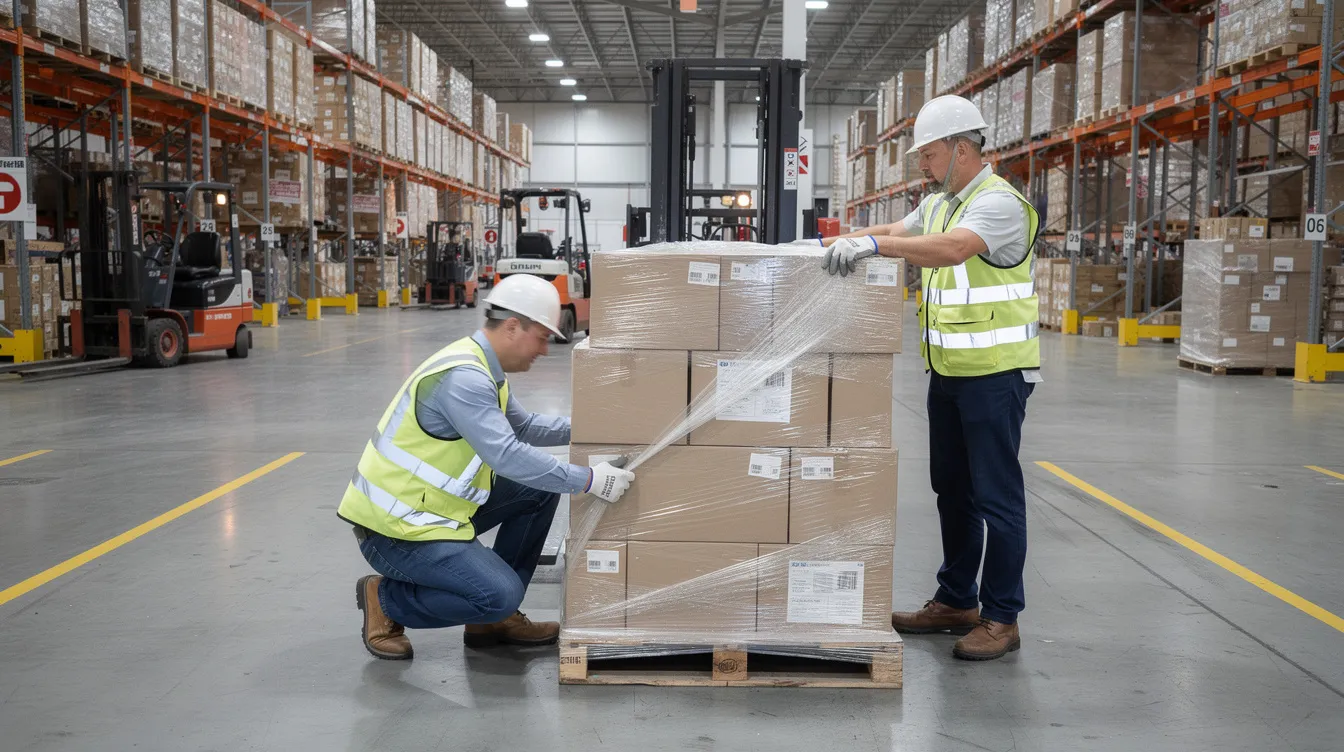
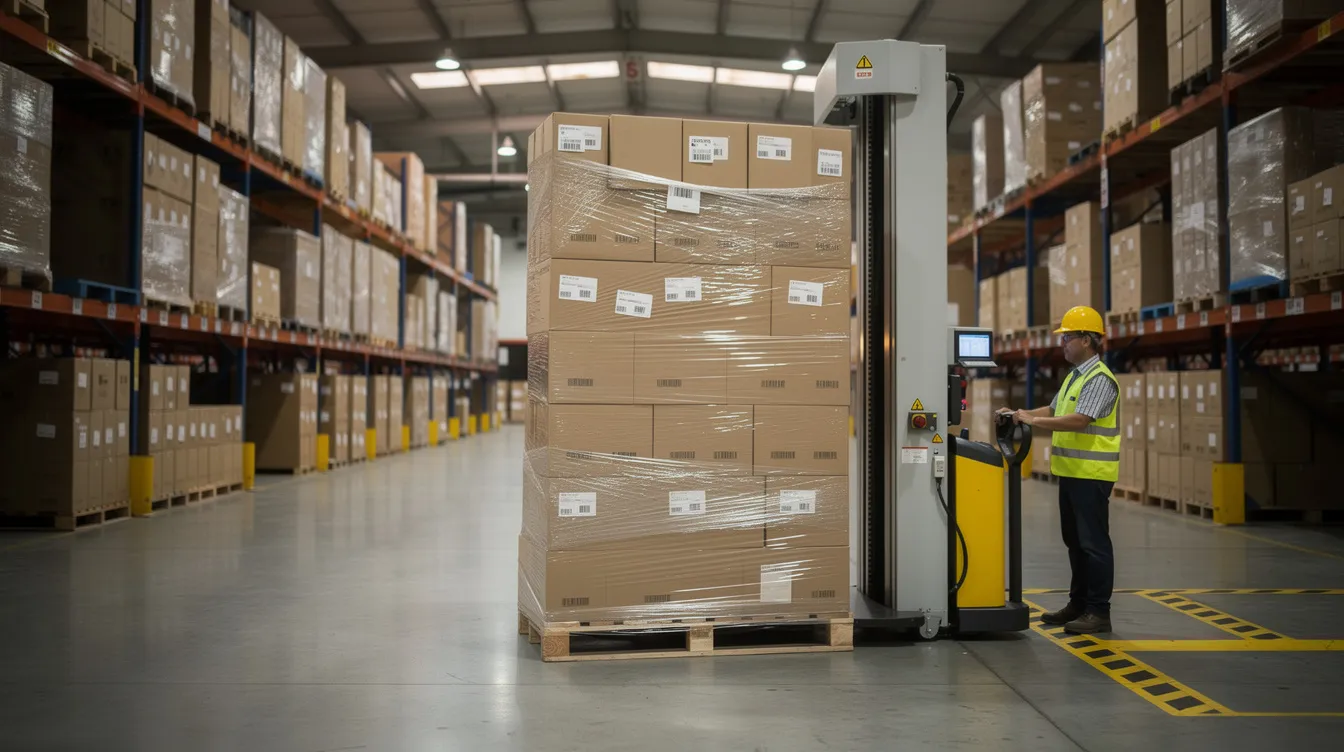
Stretch wrap, also called stretch film, is a thin polyethylene film used to secure pallet loads, cartons, sacks, crates, and bundled products. It is applied under tension so the film stretches, recovers, and holds goods tightly together. FMCG distributors use it for cartons and hygiene products, beverage bottlers use it for palletized water and soft drinks, agro-dealers use it for fertilizer and seed bags, and importers use it daily in warehouses handling goods from the Mombasa–Malaba–Kampala corridor.
The challenge is that conventional single-use plastic films are often difficult to recover after use. In Kampala, Mbarara, and other fast-growing urban areas, discarded film can end up in open dumps, drainage channels, or informal burning sites. This creates real environmental impact: blocked drains contribute to flooding, open burning releases toxic fumes and greenhouse gases, and flexible plastics add pressure to landfills such as Kiteezi, which receives large volumes of municipal waste every day.
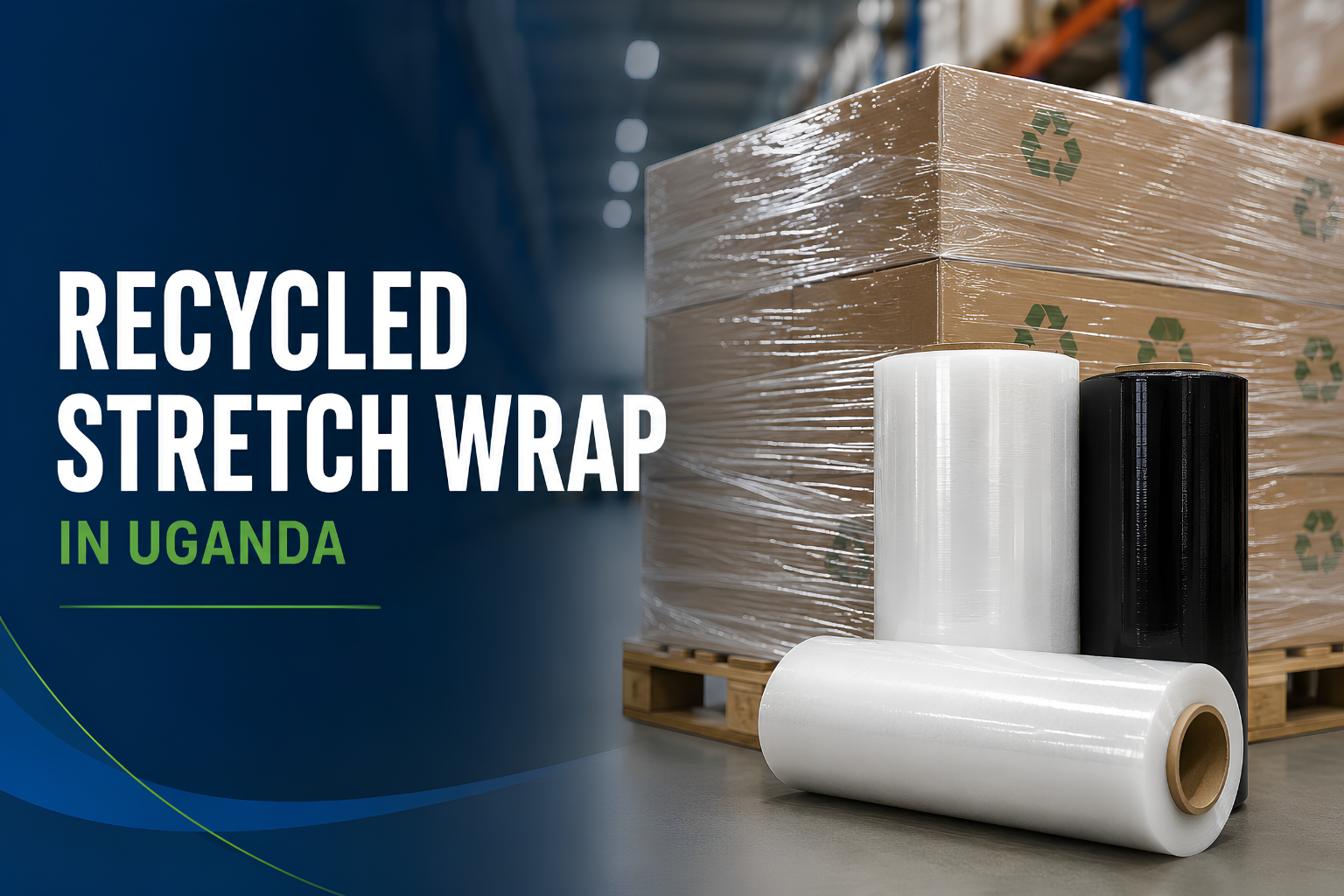
Recycled stretch wrap is stretch film manufactured with a significant proportion of post-industrial and post-consumer recycled LDPE or LLDPE, while still being engineered for cling, stretch, puncture resistance, and load retention. Recycled stretch wrap contains a minimum of 40% recycled content in many high-performance commercial grades, including products designed for African logistics conditions. It helps businesses reduce reliance on virgin plastic materials while keeping palletized goods secure.
In Uganda, local and regional packaging ecosystems are moving in this direction. Luuka Plastics was founded in 1986 and focuses on packaging, while Luuka Plastics exports packaging products to East African countries. Auromeera Industries manufactures plastic packaging solutions in Uganda, and Auromeera Industries follows a Green Policy for environmental safety. Alongside local companies, regional suppliers such as Tilak Polypack supply recycled stretch wrap across key African markets, giving Ugandan businesses more options as they assess sustainable pallet wrap against world buyer expectations.
This article gives procurement, warehouse, and operations teams a practical guide to recycled stretch wrap uganda: how it works, when to use it, what specifications to check, how it compares with conventional film, and how to introduce it into real Ugandan supply chains without increasing product damage.
Key Takeaways
Recycled stretch wrap in Uganda is becoming a practical way to combine pallet security with lower environmental impact. For warehouses, importers, manufacturers, and distributors, it offers a route to reduce virgin plastic use while keeping goods stable in transit.
- Modern recycled stretch film can contain 30–50% recycled content while still performing reliably for warehousing, FMCG, beverages, and agro-input supply chains in Uganda.
- Recycled stretch wrap helps Ugandan businesses cut reliance on virgin plastic materials, reduce waste sent to dumpsites like Kiteezi, and align with emerging EPR and ESG expectations from global buyers.
- High-quality recycled stretch wrap is available in Uganda in hand and machine formats, with options such as UV-stabilised, vented, coloured, antistatic, and VCI film depending on the application.
- The right specification matters: width, thickness, stretch level, cling, puncture resistance, and roll format should match the load, route, and warehouse workflow.
- This guide explains how recycled stretch wrap compares with conventional stretch film, where it works best, and how businesses can switch without compromising load safety.
Understanding Stretch Wrap and Recycled Content
Stretch film is usually made from linear low-density polyethylene, commonly known as LLDPE, often blended with LDPE for processability and cling. It is designed for elastic recovery: the wrap stretches during application, then tries to return toward its original shape, creating holding force around the pallet. This is why stretch wrap is different from shrink film, which contracts under heat, and different from pallet strapping, which provides rigid mechanical restraint. A good film must stretch consistently, cling to itself, resist punctures, and maintain containment during handling.
In Uganda, the most common formats are hand rolls and machine rolls. Hand rolls are used in small depots, retail backrooms, hardware stores, and lower-volume warehouses. They are often around 400–500 mm in width and commonly fall in the 12–20 micron thickness range for general wrapping. Machine rolls are used on semi-automatic or automatic pallet-wrapping systems in larger FMCG warehouses, bottling plants, 3PL hubs, and import consolidation centers. These rolls can be much wider, sometimes up to 1,500 mm, with thickness ranges around 17–29 microns depending on the load and machine type.
Recycled content refers to plastic recovered and processed back into usable raw material. There are two main types:
- Post-industrial recycled material, or PIR, comes from factory scrap, edge trim, offcuts, and production waste. It is usually cleaner and more consistent.
- Post-consumer recycled material, or PCR, comes from used packaging collected after commercial or consumer use. It offers strong circular-economy benefits but requires careful sorting, washing, and filtration.
Modern recycled stretch wrap blends recycled pellets with selected virgin polymers and additives. The purpose is to retain strength, clarity, cling, and load retention within safe working ranges. Recycled stretch wrap contains a minimum of 40% recycled content in many commercial specifications, while some general logistics applications may use 30–40% recycled content depending on load risk, machine settings, and customer sustainability targets.
A simplified recycling flow looks like this:
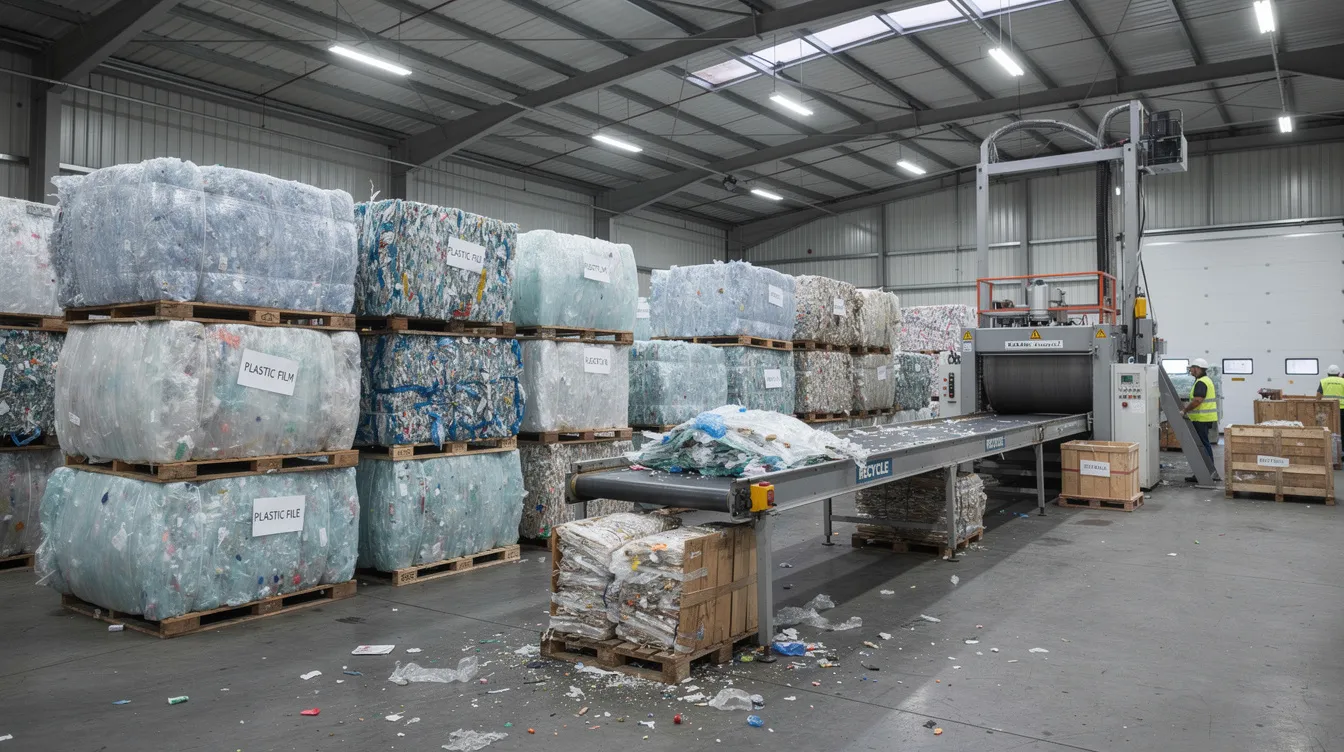
- Used film is collected from warehouses, factories, or recyclers.
- Material is sorted to remove mixed plastics, tapes, labels, dirt, and contamination.
- The plastic is washed, dried, and shredded.
- The material is re-granulated into recycled pellets.
- Pellets are filtered, checked for melt-flow index, and blended with virgin polymer.
- The blend is re-extruded into new stretch film and tested for gauge, stretch, puncture resistance, and cling.
Tilak Polypack’s recycled stretch wrap for African markets is engineered to maintain reliable cling and controlled stretch even when recycled content levels are increased, supporting circular-economy objectives without treating sustainability as a substitute for performance.
Environmental Impact and Circular Economy Opportunities of Stretch Wrap in Uganda
Uganda’s plastic waste challenge is tied to rapid urbanisation, increased imports, and limited formal collection systems for flexible packaging. Logistics hubs in Kampala, Mukono, Jinja, Gulu, and Mbarara handle large volumes of goods that arrive wrapped, bundled, strapped, and repacked. Each pallet may use a small amount of film, but across thousands of pallets per month, the accumulated plastic waste becomes significant. Conventional stretch wrap, when used once and discarded, is especially difficult to manage because it is lightweight, bulky, and easily contaminated.
When conventional wrap is not collected for recycling, it can accumulate in landfills such as Kiteezi, block drainage channels, contribute to urban flooding, or be burned in open areas. Open burning of plastic releases toxic fumes and greenhouse gases. Landfilled flexible packaging can persist for long periods, and loose film is easily carried by wind into roadsides, waterways, and informal dumping locations. That is why reducing the virgin plastic footprint of pallet packaging is a practical environmental policy step for Ugandan businesses.
Recycled stretch wrap reduces the demand for new petroleum-based plastics. Producing recycled plastics generally requires less energy compared to virgin material production, and manufacturing stretch films using recycled content lowers greenhouse gas emissions. Using recycled stretch wrap cuts carbon footprints for businesses because a portion of the material has already been recovered and reprocessed instead of being produced entirely from fossil-based resin. It also helps reduce the amount of plastic waste in landfills.
Circular economy simply means keeping materials in productive use for longer. Recycled stretch wrap promotes a circular economy by diverting plastic waste from disposal and turning reclaimed material into new packaging products. Using recycled materials supports local recycling efforts because demand for recyclate gives value to collected LDPE and LLDPE film. Utilizing reclaimed plastic for packaging diverts waste from landfills and encourages better segregation of clean flexible plastics at warehouses and distribution centers.
There are also commercial reasons to act. International buyers of Ugandan coffee, horticultural products, and manufactured goods increasingly assess packaging choices against ESG and sustainability criteria. The UK-based circular economy organization WRAP saved 56 million tons of GHG emissions globally through sustainability initiatives, and WRAP supports over 600 organizations for sustainable packaging solutions. These global benchmarks influence buyer expectations in export markets.
For example, a Kampala-based FMCG distributor replacing 100% virgin wrap with 40% recycled-content film could reduce its virgin plastic footprint by several tonnes per year if it wraps thousands of pallets annually. If pallet losses remain low, the business gains both environmental and operational value. Transitioning to recycled stretch wrap supports the circular economy without requiring companies to redesign every carton, bag, label, or pallet system overnight.
Technical Performance: How Recycled Stretch Wrap Compares to Conventional Stretch Film
Well-engineered recycled stretch wrap is designed to match or closely approach the performance of conventional film in everyday warehouse and distribution conditions. The key point is not simply whether recycled material is present, but how the film is manufactured, filtered, blended, tested, and matched to the application. Recycled stretch wrap is designed for reliable pallet containment during transit, and the film maintains strength and elasticity despite recycled materials when the resin blend and extrusion process are controlled properly.
Procurement and operations teams should evaluate several performance parameters before switching:
- Tensile strength and elongation at break.
- Elastic recovery and load retention over time.
- Cling on the inner surface and slip on the outer surface.
- Puncture resistance and tear propagation.
- Gauge consistency across the roll.
- Clarity, haze, and barcode visibility where needed.
Recycled content can slightly affect clarity and uniformity, especially if PCR streams vary in colour, contamination, or melt index. Reputable manufacturers manage this through filtration, controlled blending, drying, and process monitoring so film thickness remains consistent across the roll. For example, a 12, 15, 18, or 23 micron film must not have weak bands that cause breaks during wrapping. High-quality recycled stretch wrap ensures dependable durability against punctures, especially for cartons, sacks, and mixed loads.
For most standard pallet loads in Uganda, including cartons, shrink-wrapped beverage packs, fertilizer sacks, seed bags, and bags of animal feed, recycled stretch wrap with 30–40% recycled content can safely secure loads when the correct wrap pattern is used. Recycled stretch wrap contains a minimum of 40% recycled content in many available grades, making it possible to combine sustainability goals with practical load containment. High-performance films secure palletized goods during transport and reduce product toppling during logistics.
Ugandan conditions make testing important. A pallet may travel from Mombasa or Naivasha to Kampala, then continue to Mbale, Arua, Fort Portal, Gulu, or regional destinations. It may face rough roads, high warehouse temperatures, dusty yards, UV exposure during dry seasons, forklift impact, and repeated manual off-loading. UV-stabilised film may be useful where pallets wait outdoors, while stronger gauges may be needed for irregular loads.
Machine-grade recycled stretch film can run on most existing pallet-wrapping machines in Uganda. In many stable workflows, recycled stretch wrap supports efficient warehouse workflows without adjustments, particularly where the film is matched closely to the existing gauge and stretch profile. For high pre-stretch machines or demanding loads, however, teams should validate tension, speed, pre-stretch percentage, and number of bottom and top wraps. Tilak Polypack and similar regional manufacturers typically conduct batch testing for gauge, dart impact, and load retention to confirm that increased recycled content has not undermined safety margins.
Before a full changeover, ask the supplier for a technical data sheet, recycled content documentation, and sample rolls. Then test a few pallets on real routes before standardising the specification across the operation.
Applications of Recycled Stretch Wrap in Ugandan Supply Chains
Uganda’s economy creates many practical use cases for recycled stretch wrap. Agriculture, FMCG, beverages, construction materials, electronics, humanitarian supplies, and imported consumer goods all require pallet containment. The common need is simple: prevent cartons, sacks, crates, and bundles from shifting during storage, forklift movement, loading, and transport. Recycled stretch wrap provides protection against moisture and dust, while also helping loads stay stable from warehouse dispatch to final delivery.
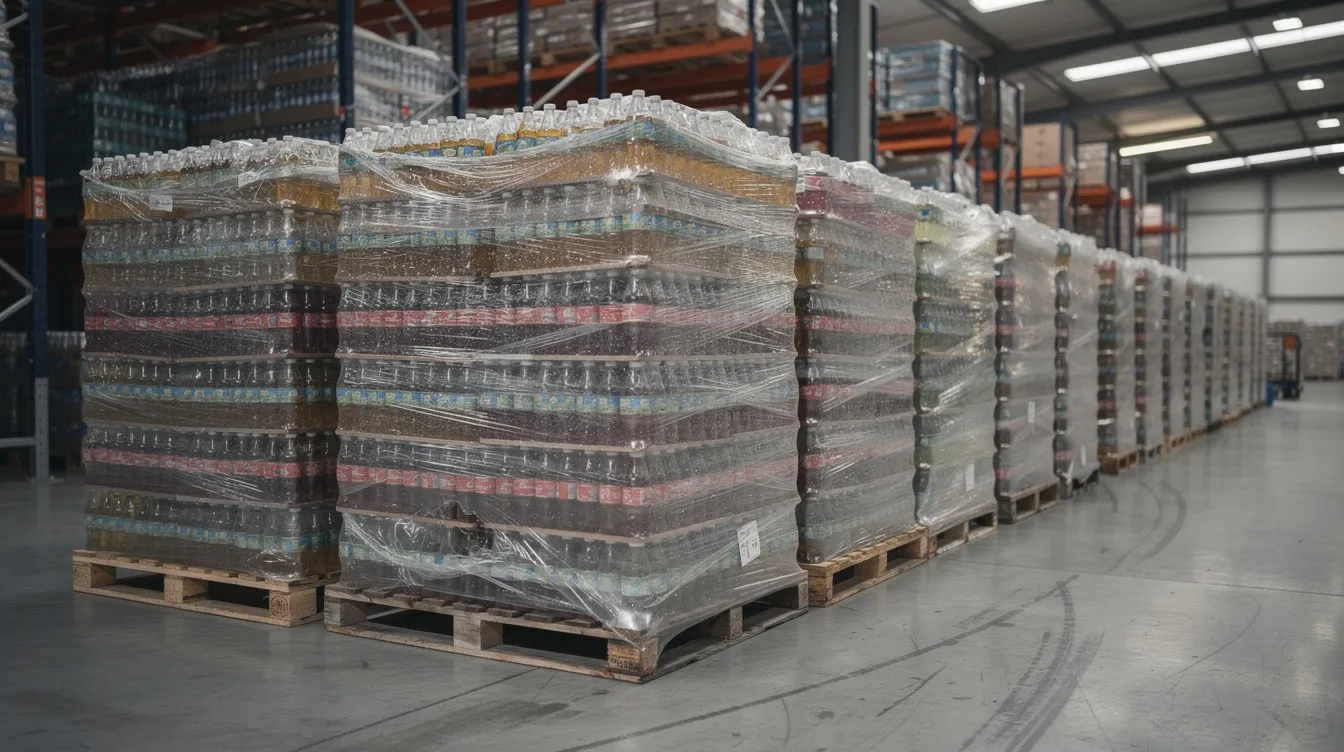
FMCG distribution is one of the strongest fits. Cartons of soap, snacks, personal care products, household goods, and hygiene items often move from Kampala warehouses to supermarkets and wholesalers in Gulu, Mbarara, Fort Portal, Mbale, and Jinja. These loads are usually regular and stackable, making them suitable for recycled stretch film with moderate recycled content. Beverage logistics is another clear application. Bottled water, soft drinks, beer, and other beverages are heavy but typically uniform, so the right film can keep palletized cases contained throughout national distribution.
Agro-input distribution also benefits. Fertilizers, agrochemicals, seed, and animal feeds move from industrial zones around Jinja, Mbale, and Kampala toward rural dealers. These loads can be heavy or slightly irregular, so puncture resistance, wrap pattern, and corner protection should be considered. Imports of electronics, consumer goods, spare parts, and building materials arriving via Mombasa and Dar es Salaam corridors are also commonly consolidated at inland container depots, then rewrapped for onward delivery.
Mini stretch wrap rolls are useful for bundling small items such as hardware, pipes, spare parts, small carton bundles, and retail-ready packs. These narrow rolls can also be produced with recycled content, giving sustainability benefits even in smaller packing stations. Hand-applied recycled stretch film works well in smaller depots and mixed-load operations, while machine-applied film is better for high-throughput 3PL hubs, bottlers, and manufacturers that need consistent wrap patterns and fast pallet output.
Optional features matter in Uganda’s climate and logistics environment:
| Feature | Where it helps |
| UV-stabilised recycled stretch wrap | Outdoor storage yards and dry-season exposure |
| Vented or perforated film | Fresh produce and moisture-sensitive loads |
| Coloured or tinted films | Product identification, security, and light-sensitive goods |
| Antistatic film | Electronics and dust-sensitive products |
| VCI film | Metal parts requiring corrosion protection |
Regional manufacturers like Tilak Polypack can supply custom widths such as 250 mm, 500 mm, and 1,000–1,500 mm, as well as gauges on request. This lets customers match film to pallet size, product type, and wrapping method instead of using one specification everywhere. A practical first step is to map predictable pallet lanes and introduce recycled stretch wrap there before moving to export, heavy, or irregular loads.
Cost, Availability, and Procurement Considerations in Uganda
Recycled stretch wrap is sometimes assumed to be more expensive than conventional film. In practice, the better measure is not price per kilogram but total packaging cost per shipped pallet. A slightly higher-quality roll may use fewer wraps, reduce breakage, improve containment, and lower damage claims. For Ugandan businesses moving goods over long corridors, pallet failure can cost far more than the film saved by choosing the cheapest roll.
The main cost drivers include global virgin LDPE and LLDPE resin prices, recycled pellet quality, recycled content percentage, film thickness, roll length, core size, colour, and additives such as UV protection, antistatic agents, or VCI. Transport and import logistics into Uganda also matter, especially when goods move from regional production hubs through ports, border points, or inland depots. Custom colours, unusual width requirements, and special performance specifications may require longer lead times.
Buyers should compare:
- Price per pallet wrapped.
- Number of wraps required for safe containment.
- Film breakage frequency during application.
- Damage and return rates after transport.
- Operator time and roll change frequency.
- Storage performance under heat, dust, and sunlight.
Typical procurement channels include direct import from regional manufacturers and purchases through local packaging distributors in Kampala, Jinja, Mbarara, and other commercial centers. Tilak Polypack supplies recycled stretch wrap across key African markets, including users serving Uganda and neighbouring countries. Local packaging activity also includes companies such as Luuka Plastics and Auromeera Industries, while BOPP films are replacing traditional packaging materials in Uganda for some flexible packaging applications. This broader shift shows how film technology is changing across the market, not only in pallet wrap.
When comparing suppliers, request technical data sheets, recycled-content certificates, and sample rolls. Ask for details on tensile strength, elongation, puncture resistance, cling, haze, recommended pre-stretch, storage conditions, and roll dimensions. Buyers should also confirm minimum order quantities, lead times, and whether buffer stock is available locally to reduce disruption from border delays or port congestion.
For medium and large users such as 3PLs, bottlers, FMCG manufacturers, and exporters, annual film reviews can generate meaningful savings. Small improvements in gauge, wrap count, and machine settings can reduce consumption significantly when multiplied across thousands of pallets. If a business is exporting to kenya, tanzania, rwanda, sudan, ethiopia, south africa, nigeria, ghana, qatar, kuwait, morocco, egypt, or beyond, consistency of packaging becomes even more important.
Global sourcing teams may compare specifications from markets such as china, malaysia, taiwan, germany, spain, ireland, australia, and brazil, but the best supplier is not always the lowest-cost exporter. The right manufacturer should understand African transport conditions, provide clear documentation, and support collaboration during trials. If you need exact product details, it is worth making direct contact with the supplier rather than relying only on catalogue assumptions.
Best Practices for Implementing Recycled Stretch Wrap in Your Operations
Successful adoption of recycled stretch wrap in Uganda depends on testing, training, and continuous monitoring. It should not be treated as a blind roll-for-roll swap across every warehouse lane overnight. Even a good film can perform poorly if the wrong gauge is selected, the wrap pattern is weak, or operators apply inconsistent tension. A structured approach helps businesses achieve sustainability gains while protecting load security.
A practical rollout plan looks like this:
- Audit current stretch film use. Record roll consumption, hand versus machine use, film thickness, pallet types, product categories, breakage rates, damage claims, and common routes.
- Identify low-risk trial lanes. Start with stable cartons, short routes, indoor storage, and predictable pallet profiles.
- Work with a suitable supplier. Suppliers such as Tilak Polypack can help select recycled-content film specifications based on load weight, route, machine type, and sustainability targets.
- Conduct controlled trials. Wrap sample pallets, adjust machine tension if needed, test hand application, and monitor film behaviour.
- Expand gradually. Move from low-risk lanes to heavier, longer-distance, or more irregular loads once performance is validated.
Training matters as much as procurement. Warehouse teams should know how to thread film correctly on machines, safely handle hand rolls, apply enough bottom wraps, overlap each layer properly, and cover the top section where needed. Operators should also know how to spot film damage, telescoped rolls, crushed cores, weak cling, or excessive tearing. If workers struggle with a roll, they should report it early rather than compensating with too many wraps.
Set clear KPIs after switching:
- Pallet damage and claim rates.
- Film consumption per pallet.
- Roll change frequency and downtime.
- Film break events.
- Worker feedback on ease of use.
- Load stability after delivery.
Storage is also important. Keep rolls in a cool, shaded area away from direct sunlight. Avoid crushing or deforming rolls because damaged cores can cause inconsistent wrapping. Rotate stock using first-in, first-out handling so older rolls are used before newer ones. Keep film away from dust, oil, sharp tools, and moisture where possible.
For long-distance or export shipments to South Sudan, DRC, Rwanda, or other regional markets, heavy or irregular pallets may need additional support such as corner boards, strapping, or tapes. Recycled stretch wrap can still be the primary containment layer, but very heavy loads should be engineered as a complete packaging system. With the right supplier partnership and data-driven evaluation, recycled stretch wrap can deliver both sustainability and reliable load containment in Ugandan operations.
FAQ: Recycled Stretch Wrap in Uganda
Is recycled stretch wrap strong enough for long-distance transport from Kampala?
Yes. Modern recycled stretch wrap, when correctly specified and applied, is designed to secure pallets on long routes such as Kampala–Arua, Kampala–Gulu, and regional export lanes. It can match the performance of many conventional films for standard palletized goods.
For very heavy, sharp-edged, or irregular loads, confirm the recommended gauge, wrap pattern, and pre-stretch level with your supplier. Trial shipments are the safest way to validate performance before a full-scale changeover.
Can recycled stretch wrap be used for food and beverage applications?
In most pallet applications, stretch wrap does not touch food directly. It wraps secondary packaging such as cartons, trays, shrink-wrapped beverage packs, or outer cases. That makes recycled-content film suitable for many food and beverage logistics uses.
However, companies exporting to strict markets should check customer requirements and request documentation from film suppliers. This is especially important when buyers require specific recycled-content declarations or packaging compliance records.
How can Ugandan businesses dispose of used stretch wrap responsibly?
Businesses should set up internal collection points to keep used stretch wrap clean and separate from food waste, soil, organic matter, labels, and mixed plastics. Clean film can be baled or bagged for recyclers handling LDPE and LLDPE materials.
Warehouses in and around Kampala, Mukono, Jinja, and other towns can engage local recycling firms or collection networks to arrange regular pickup. The cleaner the recovered film, the more useful it becomes for future recycling.
Does recycled stretch wrap work on all pallet-wrapping machines?
Most modern pallet-wrapping machines can run recycled stretch film if the grade is selected correctly. In many cases, the same machine can be used with minimal disruption.
For best results, involve the machine service provider and the film supplier during trials. Adjust pre-stretch, tension, speed, and wrap count if needed to maintain throughput and load stability.
What recycled content percentage should Ugandan companies aim for?
Many businesses start with 30–40% recycled content because it balances environmental benefit with robust performance for common pallet loads. Some high-quality products contain at least 40% recycled content while maintaining strength, elasticity, and cling.
Higher recycled percentages can be explored gradually. The right target depends on product weight, pallet risk, route conditions, customer sustainability requirements, and supplier technical support.