
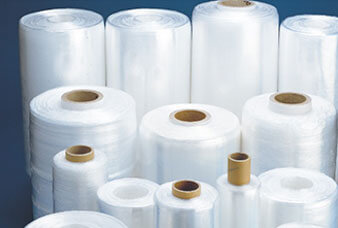
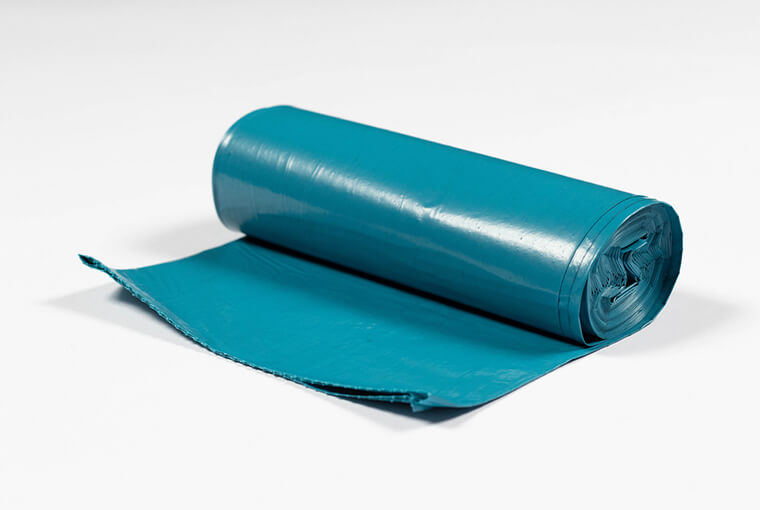
- Ideal for Handling Bulk Packing Dry Materials
- Widths Availables : 250 mm – 2400 mm
- Thickness : 20 Micron – 200 Micron
- Gussette Option Available
Packaging Films
Packaging films are an essential component of modern product packaging across industries in South Africa. Designed to protect, preserve, and enhance product presentation, high-quality packaging films provide reliable performance for manufacturers, distributors, and brand owners.
A premium packaging film roll creates a strong protective barrier against moisture, oxygen, contaminants, and external environmental factors. This is particularly important in South Africa’s diverse climate conditions, where temperature variations and humidity can impact product integrity. By maintaining product freshness and structural stability, packaging films help extend shelf life and reduce damage during storage and transportation.
In addition to protection, packaging films significantly improve product visibility and brand appeal. With excellent clarity, gloss, and print compatibility, these films support strong branding, product information display, and tamper-evident features. Businesses across food processing, pharmaceuticals, consumer goods, and industrial sectors rely on advanced shrink film packaging and flexible film solutions to ensure safety, compliance, and consumer trust.
From easy-peel applications for convenient access to high-performance sealing films that ensure leak resistance and durability, modern packaging films deliver versatile and reliable solutions tailored to industry-specific requirements.
Packaging Film Rolls Manufacturer
Tilak Polypack: Your Leading Packaging Film Rolls Manufacturer for Every Need
Tilak Polypack is a trusted manufacturer and global supplier of high-performance packaging film rolls engineered to meet diverse industrial packaging demands. We support businesses in South Africa with advanced film solutions designed for strength, sealing integrity, and consistent quality.
Our manufacturing expertise allows us to deliver precision-engineered packaging films suitable for automated and high-speed production lines. Whether you require superior seal performance, enhanced puncture resistance, or excellent print compatibility, our packaging film roll solutions are developed to ensure operational efficiency and product safety.
We work closely with South African importers, distributors, and industrial buyers to provide reliable supply, customized specifications, and consistent export-grade quality. Our shrink film packaging solutions and specialized sealing films are produced under strict quality control standards to meet international compliance requirements.
With decades of industry experience and exports to multiple global markets, Tilak Polypack continues to be a dependable partner for businesses seeking long-term, performance-driven packaging films.
Why choose Tilak Polypack?
If your business is looking for dependable, sustainable, and performance-focused packaging films in South Africa, Tilak Polypack offers the expertise and manufacturing capability you can rely on. With over 20 years of experience in flexible packaging solutions, we provide customized film structures designed to match your exact application requirements.
We prioritize innovation, product consistency, and environmentally responsible production practices to support businesses aiming for both performance and sustainability.
Highlights of using products from Tilak Polypack:
✅ Premium-quality packaging films with consistent thickness and strength
✅ Sustainable and eco-conscious manufacturing approach
✅ Customized packaging film roll solutions as per industry requirements
✅ Products manufactured under strict quality and safety standards
✅ Reliable long-term packaging partner for South African businesses
FAQs
1. What are Packaging Films?
Packaging films are flexible sheets made from various materials, used to wrap, protect, and preserve products during storage or transit. They offer versatility in packaging solutions and are often used as barriers to protect products from environmental factors such as moisture, dust, and contaminants.
2. What materials are used to make Packaging Films?
Packaging films are fabricated using a wide range of materials, including but not limited to:
- Polyethylene (PE): Commonly used for stretch films and shrink wraps due to its durability and flexibility.
- Polypropylene (PP): Used for clear wraps and food-safe applications due to its excellent clarity and barrier properties.
- Polyvinyl Chloride (PVC): Preferred for shrink films because of its elasticity and high shrink ratio.
- Biodegradable Polymers: These are eco-friendly options made from renewable resources such as polylactic acid (PLA).
Each material is selected based on specific application requirements, offering tailored functionality like food safety, UV resistance, or increased tensile strength.
3. What are the common types of Packaging Films?
- Stretch Films: Used for securing palletized goods during shipping.
- Shrink Films: Heat-activated films used to tightly conform to the shape of products.
- Barrier Films: Multi-layer films designed to protect perishables by preventing the passage of gases or moisture.
- Thermoform Films: Used in forming rigid and semi-rigid packaging in a variety of shapes.
- Specialty Films: Designed for unique applications, such as anti-static films for electronics or biodegradable films for eco-conscious packaging.
4. What are the applications of Packaging Films?
Packaging films are extensively used across various industries, meeting diverse requirements, such as:
- Food and Beverage Industry: Protects and preserves consumables such as snacks, meats, dairy, and beverages.
- Industrial Goods: Secures machinery, parts, and raw materials for storage or transportation.
- E-Commerce & Retail: Provides tamper-proof and protective packaging for goods like electronics, clothing, and beauty products.
5. How do Packaging Films protect products during transit?
Packaging films provide comprehensive protection through several mechanisms, including:
- Shock Absorption: Reduces the risk of physical damage by wrapping tightly around the product.
- Moisture Barrier: Prevents exposure to humidity and condensation, preserving product integrity.
- Secure Wrapping: Keeps goods bundled tightly to prevent movement during transportation.
All films are subjected to rigorous testing standards to ensure optimal protective qualities.
6. Are Packaging Films eco-friendly?
Yes, eco-friendly alternatives are available. Many manufacturers now offer biodegradable and compostable films made from renewable resources, such as PLA or PHA. Additionally, recyclable films made from single-material compositions are gaining popularity for their sustainability. Certification for recyclability and biodegradability ensures compliance with environmental standards.
7. Can Packaging Films be customized in size, thickness, and design?
Absolutely. Packaging films can be tailored to meet specific requirements, including variations in:
- Size: Custom widths and lengths for unique product dimensions.
- Thickness: Ranges from thin films for lightweight packaging to thick films for heavy-duty applications.
- Design: Can include branding elements like logos, colors, or printed patterns.
Customization is achieved through advanced manufacturing capabilities and stringent adherence to client specifications.
8. What industries use Packaging Films?
Packaging films are utilized across multiple sectors, including but not limited to:
- Food and Beverage
- Pharmaceuticals
- Cosmetics and Personal Care
- Industrial Manufacturing
- E-Commerce and Retail
Their adaptability makes them a preferred choice across industries that require high-quality, protective packaging solutions.
9. How do I choose the right Packaging Film for my product?
Selecting the appropriate packaging film involves considering factors such as:
- Product Nature: Fragility, perishability, and weight.
- Required Barrier Properties: Protection from moisture, oxygen, or UV light.
- Packaging Process: Compatibility with manual or automated packaging equipment.
- Environmental Concerns: Recyclability or biodegradability options.
Consulting with a packaging expert ensures the chosen film meets both functional and regulatory requirements.
10. Are Packaging Films suitable for food packaging?
Yes, many packaging films are specifically designed for food applications. They adhere to international food safety standards, including FDA and EU certifications, ensuring they are safe for direct contact with consumables. Barrier films, in particular, are highly recommended for extending shelf life and maintaining the quality of food products.