
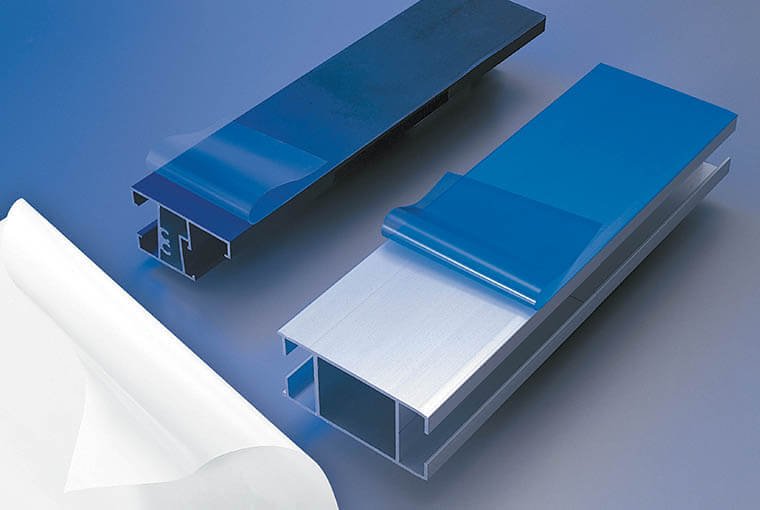
Tilak Polypack supplies Surface Protection Film in Morocco for manufacturers, fabricators, processors, distributors and other B2B buyers that need temporary protection for suitable finished and semi-finished surfaces. Also referred to in some markets as film de protection, the film helps reduce scratches, abrasion, dust, dirt and handling-related marks during manufacturing, fabrication, transportation, storage and installation.
The appropriate protective film can be selected according to the surface material, finish, application conditions, required protection period and adhesive requirements.
Surface Protection Film Applications
Stainless Steel and Metal
Surface Protection Film can help protect suitable stainless steel sheets, metal panels and fabricated components from scratches, scuffing and handling marks during production, transportation and installation.
It is particularly useful where maintaining the appearance of a finished metal surface is important before final use.
Aluminium
Aluminium sheets, profiles and finished components can be exposed to scratches and handling marks during processing, packaging and transportation. A suitable protective film provides temporary coverage while the material moves through these stages.
Glass
Protective film for glass can help reduce dust, contact marks and surface damage during processing, transportation and installation. Film selection should take account of the glass surface and required adhesion.
Acrylic and Plastic
Acrylic and plastic sheets can be susceptible to scratching during cutting, fabrication and handling. Surface Protection Film can provide temporary coverage until the material is ready for its final application.
Painted, Coated and Decorative Surfaces
Painted, coated, laminated and decorative surfaces may require temporary protection between manufacturing and installation. A suitable film can help reduce surface marking during handling, transportation and project work.
Materials Suitable for Protective Film
Depending on the film and adhesive specification, Surface Protection Film can be considered for applications involving:
- Stainless steel sheets
- Aluminium sheets and profiles
- Metal panels
- Acrylic sheets
- Plastic panels
- PVC surfaces
- Glass and mirrors
- Decorative panels
- Laminated surfaces
- Painted and coated materials
- FRP sheets
- Polycarbonate sheets
- Countertops
- Appliances
- Elevators and finished components
The appropriate film should be selected according to the actual material, surface finish and application conditions.
Surface Protection During Manufacturing and Distribution
Surface Protection Film can provide temporary protection as materials move through different stages of the supply chain.
During manufacturing, it can help reduce surface marking during processing, inspection and packaging.
During fabrication, it can provide temporary coverage during cutting, forming, machining and assembly.
During transportation, it can help reduce contact-related marks and exposure to dust.
During installation, it can remain on suitable surfaces while surrounding work is completed and then be removed when temporary protection is no longer required.
This makes protective film useful for businesses that need to maintain the condition and appearance of finished materials beyond the production stage.
Key Features of Surface Protection Film
| Feature | Purpose |
|---|---|
| Scratch protection | Helps reduce scratches, scuffs and surface marking |
| Controlled adhesion | Helps maintain film position during use |
| Clean removal | Supports practical removal after temporary use |
| Film strength | Helps withstand normal handling requirements |
| Surface compatibility | Film can be selected according to material and finish |
| Custom sizing | Supports different application and product requirements |
For sensitive, polished, painted, coated or decorative surfaces, representative testing is recommended before full-scale application.
Surface Protection Film Specifications
Tilak Polypack supports B2B requirements involving different film dimensions and configurations.
| Specification | Available Options |
|---|---|
| Width | 25 mm – 1500 mm |
| Thickness | 20 – 200 microns |
| Colours | Transparent, White, Black & White |
| Printing | Up to 4 colours |
Final specifications should be confirmed according to the specific product, surface and intended application.
Adhesion and Clean Removal
Adhesive performance is an important consideration when selecting Surface Protection Film. The film should remain suitably positioned during the intended protection period while allowing practical removal afterward.
Adhesion requirements can vary according to:
- Surface material
- Surface finish
- Application duration
- Environmental conditions
- Handling requirements
Smooth, glossy, painted, coated and decorative surfaces may require different adhesion characteristics.
For a new material or application, testing a representative sample before a larger order is recommended. This allows the buyer to evaluate adhesion, removal and the condition of the underlying surface.
Protective Film Manufacturer and Supplier for Morocco
Tilak Polypack manufactures and supplies Surface Protection Film for B2B applications and international markets. The product can be considered by businesses involved in metal fabrication, aluminium processing, glass processing, plastics, panels, appliances, construction and material distribution.
Commercial buyers in Morocco can discuss requirements for:
- Custom film widths
- Required thickness
- Colour
- Printing
- Surface compatibility
- Adhesive requirements
- Protection period
- Bulk quantities
The right specification depends on the material being protected and how the film will be applied and removed.
How to Select the Right Protective Film
Surface Material
Identify whether the application involves stainless steel, aluminium, glass, acrylic, plastic, painted, coated, laminated or another suitable surface.
Surface Finish
Smooth, glossy, matte and textured surfaces can have different adhesion requirements. The film should therefore be selected according to the actual surface finish.
Protection Period
Consider whether protection is required during short-term handling, transportation, storage, manufacturing or installation.
Environmental Conditions
Consider exposure to sunlight, temperature, moisture, dust and other conditions that may affect film performance during the intended application.
Application Method
Manual and automated application can have different film-handling and dimensional requirements. The application process should be considered when specifying the film.
Why Choose Tilak Polypack?
Application-Based Selection
Film selection can be based on the material, surface finish, application and expected protection period rather than using one specification for every surface.
Customizable Specifications
Width, thickness, colour and printing configurations can be considered according to the B2B requirement.
Consistent Manufacturing
Tilak Polypack manufactures protective film solutions for commercial applications requiring consistent product specifications and repeat supply.
B2B Supply
Our manufacturing capabilities support manufacturers, distributors and other commercial buyers requiring regular or larger-volume supply.
International Supply
Tilak Polypack supplies protective film solutions to international B2B markets for manufacturing, fabrication, construction and material-handling applications.
Surface Protection Film Supply in Morocco
For a product enquiry or quotation, Moroccan buyers can provide:
- Material or surface to be protected
- Surface finish
- Application
- Required film width
- Required thickness
- Approximate quantity
- Expected protection period
- Adhesive requirements, if known
Providing these details helps determine a suitable Surface Protection Film configuration for the intended application.
Contact Tilak Polypack to discuss your protective film requirements and request a quotation.
Please contact us on +91-9227422544 or email us info@tilakpolypack.com for quotations or other details.
FAQs
1.What are Surface Protection Films?
Surface Protection Films are specialized adhesive films designed to safeguard surfaces from damage such as scratches, abrasions, dirt, or contaminants during manufacturing, shipping, or installation processes. These films are typically applied as a temporary layer and removed once the surface no longer requires protection.
2. What are the common applications of Surface Protection Films?
Surface Protection Films are versatile and find application across numerous industries, including but not limited to:
- Electronics: To prevent scratches on screens, panels, and components.
- Automotive: For protecting car body panels, dashboards, and interiors during assembly or transit.
- Construction: Guarding windows, flooring, and countertops during installation.
- Metal Fabrication: Shielding stainless steel and aluminum sheets from scratches during processing and handling.
- Packaging: Ensuring scratch-free delivery of consumer goods.
3. What are the key benefits of using Surface Protection Films?
Surface Protection Films offer numerous advantages, including:
- Preservation of Surface Integrity: Ensures surfaces remain unblemished during production, storage, and transport.
- Reduction in Rework Costs: Protects against costly damage, reducing the need for repairs or replacements.
- Ease of Application and Removal: Designed for quick application and clean removal.
- Customizable Properties: Tailored to meet the specific needs of different surfaces and environments.
4. What materials are Surface Protection Films made from?
These films are typically manufactured using high-quality polymers such as polyethylene (PE), polypropylene (PP), or polyvinyl chloride (PVC), combined with specialized adhesives. The choice of material may vary depending on the application and the surface it is designed to protect.
5. Can Surface Protection Films be customized?
Yes, Surface Protection Films can be customized to match specific requirements, including thickness, adhesive type, UV resistance, and surface compatibility. Custom printing, such as logos or handling instructions, can also be added for branding or functional purposes.
6. Are Surface Protection Films suitable for outdoor use?
Yes, there are Surface Protection Films specifically engineered for outdoor applications. These films are designed to withstand UV exposure, temperature variations, and weathering, ensuring effective protection even under harsh outdoor conditions.
7. How do I choose the right Surface Protection Film?
Selecting the appropriate film depends on several factors:
- Surface Material: Determine the type of surface (e.g., metal, plastic, glass) to be protected.
- Environmental Conditions: Consider exposure to UV, temperature, or chemical agents.
- Film Specifications: Evaluate the required thickness, adhesive strength, and durability.
- Duration of Use: Assess how long the film needs to remain on the surface.
Consulting with an expert or supplier ensures the chosen film aligns with your technical requirements.
8. Do Surface Protection Films leave adhesive residue after removal?
High-quality Surface Protection Films are designed to leave no adhesive residue upon removal when used appropriately. However, selecting films with the correct adhesive type and following application guidelines are essential to preventing residue on surfaces.
9. What industries use Surface Protection Films?
Surface Protection Films are used across various industries, including:
- Manufacturing (Automotive, Electronics, Metal Fabrication)
- Packaging and Shipping
- Construction and Real Estate
- Consumer Goods and Furniture
- Aerospace and Defense
10. How long can Surface Protection Films be applied?
The duration for which Surface Protection Films can remain applied depends on the specific film type and environmental conditions. Most films are designed for temporary use, ranging from a few days to several months. Films intended for long-term applications or extreme conditions may require advanced specifications.