


- Simple to use — just roll it out and our specially formulated adhesive holds it down. Reverse wound with adhesive on the outside.
- The ultra tough, high-stretch polyethylene resists tearing.
- Ultra-safe – grips shoes, does not slip or slide.
- Chemical Resistant
- UV Resistant
- Custom Colors – Clear, White, Black + White, Yellow, Green, Blue
- Scratch Resistant
- Width Range : 18 MM – 1500 MM
- Thickness Range : 20 Micron – 200 Microns
Tilak Polypack supplies protective film solutions for businesses in Sudan that require temporary protection for finished surfaces, carpets, and floor coverings. Protective film helps reduce exposure to scratches, scuff marks, dust, dirt, stains, and handling-related damage during manufacturing, fabrication, transportation, storage, construction, renovation, and installation.
Our protective film range includes Surface Protection Film for suitable finished and semi-finished surfaces and Carpet Protection Film for temporary protection of carpets and floor coverings. Each product serves a different purpose, so selecting the appropriate film depends on the material being protected, the application method, the required protection period, and the conditions in which the film will be used.
For manufacturers, fabricators, contractors, distributors, and other commercial buyers in Sudan, choosing the correct protective film can help maintain surface condition while products move through production, handling, and installation.
Protective Film Solutions in Sudan
Different materials require different approaches to temporary protection. A film suitable for a hard finished surface may not be appropriate for a carpet or floor covering. Understanding the application helps businesses select a suitable protective film specification.
Tilak Polypack supplies two principal protective film options: Surface Protection Film and Carpet Protection Film. Surface Protection Film is intended for compatible finished surfaces, while Carpet Protection Film is designed to protect carpets and floor coverings during temporary work activities.
The selection should consider the surface material, finish, adhesive compatibility, expected handling conditions, and removal requirements. Testing the film on a small area before full application is recommended to assess compatibility and removal performance.
Surface Protection Film in Sudan
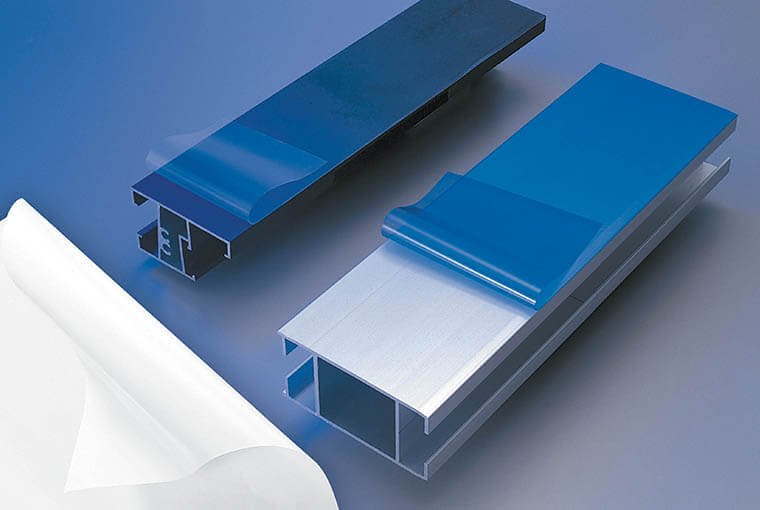
Surface Protection Film is designed to provide temporary protection for suitable finished and semi-finished surfaces during manufacturing, fabrication, transportation, storage, and installation. It creates a protective barrier that helps reduce exposure to scratches, scuffing, dust, and handling-related marks.
Depending on the selected film specification and surface compatibility, Surface Protection Film can be used on materials such as stainless steel, aluminium, glass, acrylic, plastic, and suitable painted or coated surfaces.
For industrial manufacturers and fabricators, temporary surface protection can help maintain the appearance of components while they are processed, assembled, inspected, packed, or transported. The film specification should be chosen according to the surface finish, handling conditions, adhesive requirements, and expected protection period.
Before applying protective film to a finished product, buyers should check its compatibility with the surface and confirm that it can be removed appropriately after use.
Carpet Protection Film in Sudan
Carpet Protection Film is designed to provide temporary protection for carpets and floor coverings during construction, renovation, painting, installation, moving, and other activities that can introduce dust, dirt, spills, or foot traffic.
The film is intended to help protect carpeted areas while work is being completed. Its adhesive and film construction should be suitable for the carpet type and the duration of application.
The Carpet Protection Film described in this product range features a reverse-wound construction with the adhesive on the outside of the roll. This design supports convenient application by allowing the film to be rolled out over the carpet.
The film uses high-stretch polyethylene designed to resist tearing during suitable applications. Its surface is intended to provide grip underfoot and help reduce slipping or movement when correctly applied to a compatible surface.
Before use, confirm that the adhesive is suitable for the carpet and that the film is appropriate for the expected traffic and working conditions. Remove the film when temporary protection is no longer required and follow the applicable product handling instructions.
Choosing the Right Protective Film
The right protective film depends on the material being protected, the application, and the expected protection period. Selecting a suitable product helps businesses avoid using the wrong film for a particular surface or work environment.
Surface material: Identify whether the product to be protected is stainless steel, aluminium, glass, acrylic, plastic, a painted or coated surface, carpet, or another compatible material.
Application requirements: Consider whether protection is needed during manufacturing, fabrication, transportation, storage, construction, renovation, or installation.
Adhesive compatibility: Check whether the adhesive is appropriate for the surface and whether the film can be removed without leaving unwanted residue or affecting the finish.
Protection period: Consider how long the surface or carpet needs to remain covered and the handling conditions during that period.
Working conditions: Evaluate exposure to dust, dirt, foot traffic, handling, and other conditions relevant to the intended application.
Removal requirements: Confirm the appropriate removal method and follow the product instructions to help avoid damage to the protected material.
For commercial buyers, these considerations help determine which protective film is appropriate for the intended work rather than selecting a single product for every application.
Protective Film Applications
Protective film can be used at different stages of commercial, manufacturing, and project activities. The appropriate product depends on the material being protected and the type of work taking place.
Manufacturing and Fabrication
During manufacturing and fabrication, suitable protective film can help reduce scratches, scuffing, and handling marks as materials move through processing, assembly, inspection, and packaging.
Transportation and Handling
Loading, unloading, and transportation can expose products to repeated handling and contact. A compatible temporary protective layer helps reduce surface marking and contamination during these stages.
Construction and Renovation
Construction and renovation work can expose finished surfaces and carpets to dust, dirt, spills, paint, and other site-related contamination. Suitable protective film helps keep these areas covered while work is underway.
Installation
Finished components, flooring, and other materials may need temporary protection during installation and surrounding work. Protective film helps maintain their condition until the work is completed, provided the film is suitable for the material.
Storage
Products awaiting final use may require protection against dust, dirt, and handling-related marks. Temporary protective film can help preserve the surface during storage when the selected film is compatible with the product.
Benefits of Protective Film
Helps Reduce Surface Damage
Protective film provides a temporary barrier that helps reduce scratches, scuffs, and abrasion caused by suitable handling and movement during work.
Helps Reduce Dust and Contamination
When properly applied, film can help shield compatible surfaces and floor coverings from dust, dirt, and some forms of temporary contamination.
Helps Maintain Product Appearance
For suitable finished materials, temporary protection can help preserve the original appearance until the product reaches its final application or installation stage.
Temporary and Removable Protection
Protective film is intended for temporary use and should be removed when protection is no longer required. The appropriate film, application period, and removal method depend on the protected material and product instructions.
Different Solutions for Different Materials
Surface Protection Film and Carpet Protection Film address different protection requirements. Choosing the product designed for the intended material helps businesses match their temporary protection method to the application.
Protective Film for B2B Buyers in Sudan
Protective film can support businesses involved in manufacturing, fabrication, construction, distribution, transportation, and installation. The required film specification may differ according to the material, surface finish, work environment, and handling process.
Typical commercial users may include:
- Manufacturers and industrial processors
- Metal fabricators and aluminium processors
- Glass and acrylic processors
- Plastic product manufacturers
- Construction companies and contractors
- Flooring and installation businesses
- Packaging distributors and industrial suppliers
- Importers and commercial buyers
For commercial enquiries, buyers should provide the material being protected, the intended application, the required product type, and the approximate quantity. Surface dimensions, adhesive requirements, and the expected protection period can also help identify a suitable specification.
Protective Film for Different Working Conditions
Protective film requirements can vary according to where and how the product will be used. A manufacturer protecting finished materials during production may have different needs from a contractor protecting carpets during renovation.
Transportation and storage conditions can also influence the type of protection required. The film should be suitable for the material, surface characteristics, expected handling conditions, and duration of application.
For this reason, protective film should be selected according to the actual requirement rather than using one solution for every surface or project. Buyers should also consider the application method, environmental conditions, and removal requirements before choosing a product.
B2B Protective Film Supply in Sudan
Tilak Polypack supports business enquiries for protective film used in manufacturing, material handling, construction, transportation, storage, and installation applications.
Whether the requirement is Surface Protection Film for compatible finished surfaces or Carpet Protection Film for temporary flooring protection, buyers can provide their application details to help determine a suitable product specification.
When requesting product information or a quotation, please specify the type of surface or material, intended application, required film dimensions where applicable, expected quantity, and any special adhesive or handling requirements. This information helps establish the requirements that need to be confirmed before an order is placed.
Why Choose Tilak Polypack?
Application-Based Selection
Protective film should be selected according to the material, surface finish, intended application, and required protection period. Understanding these factors helps determine which product is appropriate for the task.
B2B Supply Requirements
Manufacturers, contractors, distributors, importers, and other commercial buyers may have different requirements for protective film. Sharing the intended application and approximate order quantity helps clarify the product specifications that need to be evaluated.
Flexible Product Requirements
Different materials and work environments may require different protective film dimensions, adhesive characteristics, and handling properties. Product requirements should be confirmed according to the intended application.
International Business Enquiries
Tilak Polypack serves B2B customers across international markets and accepts enquiries for protective film used in manufacturing, construction, transportation, storage, and installation applications.
Request a Quote for Protective Film in Sudan
Looking for Surface Protection Film or Carpet Protection Film for your business in Sudan? Contact Tilak Polypack to discuss your application and request product information or a quotation.
To help us understand your requirements, please share the material being protected, the intended use, the required product type, relevant dimensions, expected quantity, and any specific adhesive or handling requirements.
Our team can review the information provided and confirm the applicable product specifications and supply arrangements.