
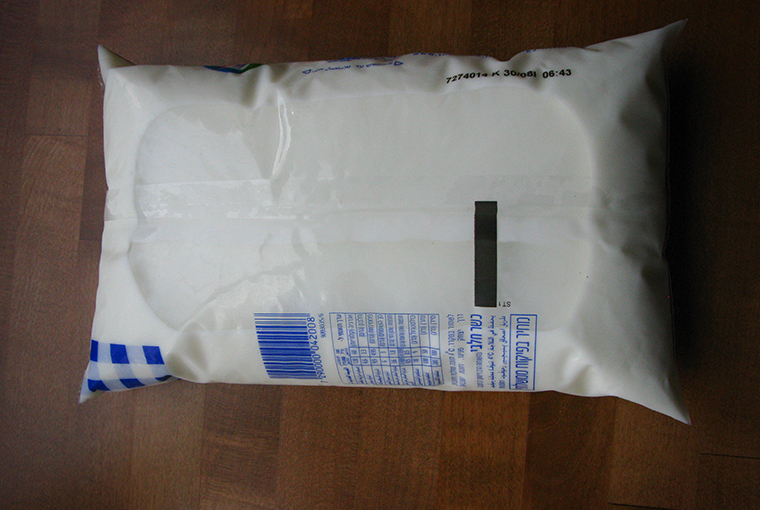
Extra Protection with Our Milk Packaging Pouch Films
Milk is highly perishable and far more vulnerable to bacterial growth than most other liquids. In South Africa’s warm climate and extended distribution networks, it is essential to use reliable Milk Packaging Film / Pouch solutions that maintain hygiene, freshness, and product safety.
As a trusted milk pouch film manufacturer, we produce high-barrier, food-grade films that protect milk from processing facilities to retail shelves. Our advanced milk packaging pouch solutions are engineered to prevent leakage, contamination, and quality deterioration making them ideal for dairy producers and distributors across South Africa.
Structured Dairy Distribution in Nigeria Requires Reliable Flexible Packaging
Nigeria’s dairy industry is evolving through a mix of domestic milk processing, reconstituted milk operations, regional cooperatives, and private-label dairy brands supplying urban and semi-urban markets. With growing demand for affordable liquid milk formats, pouch-based packaging remains one of the most commercially viable solutions for large-scale distribution.
As a dedicated Milk Pouch & Milk Packaging Film Manufacturer, we supply export-grade milk pouch film from India to Nigeria, engineered specifically for high-speed filling environments, tropical climate conditions, and extended inland transportation. For Nigerian dairy processors, packaging must perform consistently across fluctuating temperatures, variable cold-chain infrastructure, and long delivery distances between processing facilities and retail outlets.
Polyethylene-based milk packaging pouches provide the flexibility, strength, and sealing reliability required to maintain product integrity throughout the supply chain.
India–Nigeria Export Supply Alignment for Dairy Packaging
Trade between India and Nigeria continues to strengthen across food processing, pharmaceuticals, and packaging materials. Flexible milk packaging film is a critical input for Nigerian dairy processors, and sourcing from an experienced Indian manufacturer ensures stable quality, competitive pricing, and bulk supply reliability.
We operate as a global milk pouch film manufacturer, supplying export-ready milk pouch rolls that meet food-grade compliance and industrial production standards. Our manufacturing processes are aligned with international quality systems, ensuring consistent film thickness, tensile strength, and sealing performance suitable for Nigerian automated dairy plants.
Export packaging is structured for safe sea freight transit to Nigerian ports, with moisture-protected roll wrapping and palletized dispatch to preserve film integrity.
Film Engineering for Nigeria’s Climate Conditions
Nigeria’s high ambient temperatures and humidity levels create packaging stress, especially where refrigerated storage is inconsistent. Milk packaging film must maintain flexibility without premature softening and must seal effectively at controlled temperatures.
Our milk packaging film is produced using carefully selected grades of:
- LDPE (Low-Density Polyethylene)
- LLDPE (Linear Low-Density Polyethylene)
- HDPE (for specialized performance requirements)
These materials deliver strong heat-sealing properties, impact resistance, and moisture barrier performance. The flexibility of LDPE and LLDPE ensures reliable pouch formation on high-speed machines, while HDPE options provide added rigidity when required.
For optimal performance, milk pouch rolls should be stored in shaded warehouse environments and protected from direct sunlight before processing, particularly in Nigeria’s warmer regions.
Film Structure and Sealing Integrity
Milk pouch leakage can result in financial losses, hygiene concerns, and brand damage. Our polyethylene milk pouch film is engineered to deliver high bottom-seal strength and consistent side sealing performance during form-fill-seal operations.
The film structure provides uniform thickness across the roll, ensuring:
- Stable film tension during processing
- Smooth unwinding
- Reliable pouch formation
- Resistance to puncture during handling
- Strong seam integrity under liquid weight
These characteristics are critical in Nigeria, where packaged milk often undergoes multiple handling stages before reaching consumers.
Milk Pouch Sizes for Nigerian Market Distribution
We manufacture milk packaging pouch formats in multiple volume options to support varied retail channels and consumption patterns:
- 250 ml milk pouch
- 500 ml milk pouch
- 1 liter milk pouch
- 1.5 liter milk pouch
- 2 liter milk packaging
Custom size options are available based on production and market needs.
The most commonly requested thickness range is 50 to 80 microns, which can be customized depending on machine compatibility and required durability.
Roll Format for High-Speed Dairy Filling Machines
Nigerian dairy plants increasingly rely on automated pouch filling systems to increase output efficiency. Our milk pouch rolls are designed for compatibility with high-speed form-fill-seal equipment.
Performance attributes include:
- Controlled unwind direction
- Accurate edge alignment
- Uniform gauge control
- High tensile strength film
- Strong bottom seal formation
Each roll is manufactured with consistent length and width parameters tailored to machine specifications, reducing downtime and production wastage.
Food-Grade Safety and Material Compliance
As a responsible Milk Pouch & Milk Packaging Film Manufacturer, we prioritize food safety compliance. Our polyethylene films are produced from high-quality, food-grade resin materials suitable for direct milk contact.
Material performance includes:
- Excellent flexibility for pouch formation
- Strong thermal sealing capability
- High impact resistance
- Reliable moisture barrier
For extended shelf-life requirements, multilayer and barrier film options are available depending on storage duration and distribution conditions.
Custom Printing & Branding for Nigerian Dairy Brands
Nigeria’s dairy market is competitive, with established brands and emerging private labels competing for retail visibility. We offer custom printed milk pouch film with precise graphic alignment and vibrant color output.
Printing options include:
- Transparent film with printed branding
- Opaque colored film
- Multi-color brand designs
- Nutritional labeling
- Regulatory compliance text
Proof approval is conducted prior to production to ensure alignment accuracy and brand consistency.
Operational Efficiency & Cost Management
Flexible milk packaging offers cost advantages compared to rigid bottle formats. Milk pouch systems:
- Use less plastic material
- Reduce transportation weight
- Lower packaging cost per unit
- Optimize storage efficiency
For Nigerian processors managing large distribution networks, these efficiencies contribute to improved profit margins and competitive pricing.
Sustainability Considerations in Flexible Dairy Packaging
Environmental awareness is gradually increasing in Nigeria’s packaging industry. We support responsible production practices through:
- Recyclable monolayer polyethylene films
- Optimized thickness for reduced material consumption
- High-strength films with reduced gauge options
Flexible milk pouch packaging consumes significantly less plastic compared to rigid containers, reducing transportation emissions and material waste.
Quality Control Across Manufacturing & Export
Each batch of milk packaging film undergoes structured quality inspections covering:
- Thickness consistency
- Seal strength testing
- Tensile performance
- Puncture resistance
- Print quality verification
These checks ensure that every exported roll meets performance expectations for Nigerian dairy processing plants.
Partnership Approach for Nigerian Dairy Processors
Our role extends beyond supply. We collaborate with Nigerian dairy operators to determine appropriate specifications based on:
- Machine type
- Production speed
- Milk fat content
- Storage duration
- Distribution range
By aligning technical parameters with operational needs, we support consistent production output and minimized product rejection.
With advanced extrusion technology, strict quality control systems, and export-ready supply logistics, we serve dairy processors, private labels, and cooperative milk producers across global markets.
Our commitment remains focused on delivering reliable plastic bags for milk packaging and high-performance milk pouch rolls engineered for Nigeria’s dynamic dairy sector.
FAQs
1. What is milk packaging film/pouch?
Milk packaging film, commonly referred to as milk pouch material, is a specialized flexible plastic film used for the safe and hygienic packaging of milk. These films are designed to maintain the integrity of the milk, ensuring freshness, durability during transport, and ease of use for consumers.
2. What materials are used in milk packaging films?
Milk packaging films are typically made from food-grade polyethylene (PE), including low-density polyethylene (LDPE) and linear low-density polyethylene (LLDPE). These materials are chosen for their flexibility, strength, and ability to form airtight seals, preventing contamination and preserving freshness.
3. Why is milk packaged in plastic pouches instead of bottles?
Plastic pouches are preferred for milk packaging due to their cost-effectiveness, lightweight design, and ability to take up less storage and transport space compared to rigid bottles. Additionally, pouches offer flexibility for high-speed filling and sealing processes, making them an efficient option for dairy manufacturers.
4. Are milk packaging films safe for food contact?
Yes, milk packaging films are manufactured using food-grade materials that comply with strict regulatory standards, such as FDA and EU regulations. These films undergo rigorous quality testing to ensure they meet hygiene and safety requirements for direct food contact.
5. How does milk packaging film help in preserving freshness?
Milk packaging films are designed to provide an excellent barrier against moisture, air, and light, all of which can degrade milk. The airtight seal created by the film prevents contamination and oxidation, ensuring that the milk remains fresh for longer, even during transit or storage.
6. Can milk packaging pouches be recycled?
Yes, many milk packaging pouches can be recycled, particularly those made from monolayer polyethylene materials. However, recycling practices vary by region, and consumers are encouraged to check local recycling guidelines. To enhance sustainability, manufacturers are increasingly exploring recyclable and biodegradable film options.
7. What are the standard sizes and thicknesses available for milk packaging films?
Milk packaging films are available in a range of standard sizes to accommodate varying volumes, typically from 250 ml to 2 liters. Common thicknesses range between 50 to 80 microns, depending on requirements for durability and handling.
8. How is branding and printing done on milk packaging pouches?
Branding and printing on milk packaging pouches are achieved through advanced flexographic or rotogravure printing techniques. These methods allow for high-quality, multi-color designs to enhance brand visibility while maintaining clarity and durability. Specialized inks that are safe for food contact are used to meet regulatory standards.
9. What are the benefits of flexible milk packaging compared to rigid packaging?
Flexible milk packaging offers several advantages over rigid alternatives:
- Lower production and transportation costs, as flexible packaging is lighter and occupies less space.
- Reduced environmental footprint due to lower material usage.
- Convenience for consumers, as pouches are easy to carry, store, and dispose of compared to rigid containers.
10. What are the environmental concerns related to milk packaging films, and how are they being addressed?
Environmental concerns include plastic waste and limited recycling infrastructure in some regions. To address these issues, the industry is adopting innovative solutions such as:
- Developing recyclable monolayer films and biodegradable materials.
- Reducing the thickness of films without compromising durability.
- Partnering with stakeholders to promote recycling awareness and infrastructure development.