
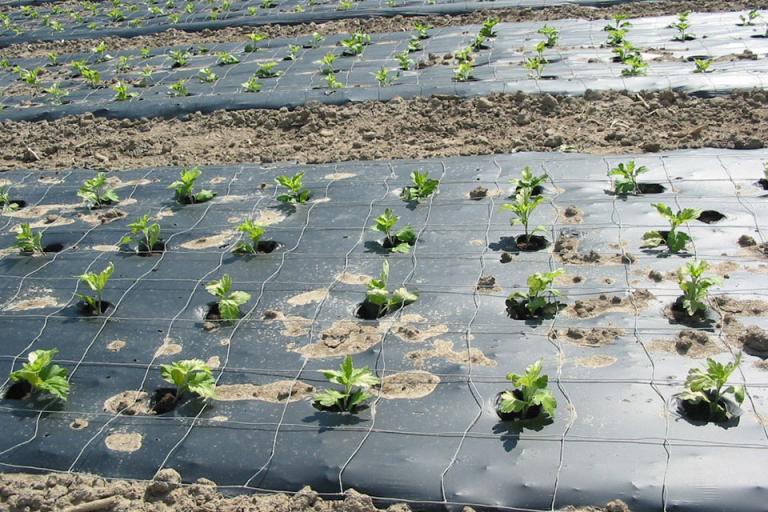
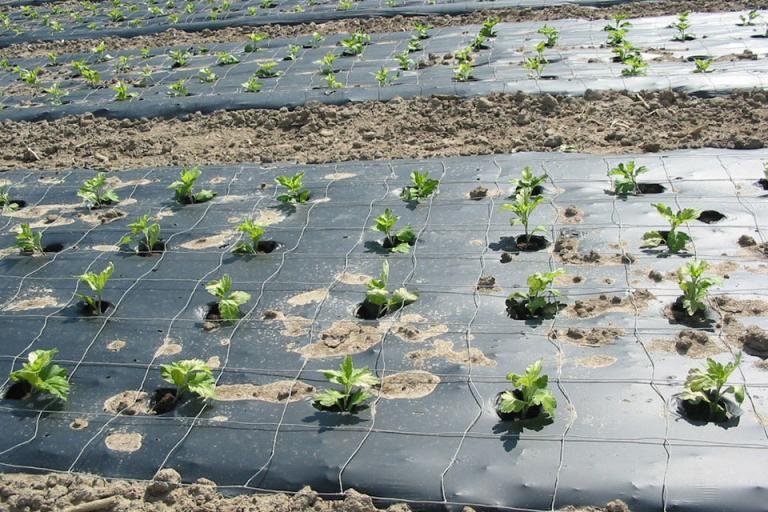
Less investment on weedicides: Weeds required light to grow. A coloured mulch film will not allow light to reach the soil hence reducing the number of weeds. This will benefit the farmer by reduction in use of weedicides.
Precision Soil Management for Nigeria’s Commercial Farming Sector
Across Nigeria, commercial agriculture is expanding beyond subsistence cultivation into structured agribusiness operations. From vegetable clusters in Plateau State to large-scale tomato and pepper farming in Kano and Kaduna, producers are increasingly adopting modern soil management techniques to improve output and reduce input waste.
Mulch Film plays a central role in this transition. By covering the soil surface with a controlled polyethylene layer, farmers create a more stable microclimate that supports early crop establishment, efficient fertilizer use, and moisture conservation. In a country where rainfall patterns can be inconsistent and irrigation costs are rising, professional mulching systems are becoming an operational necessity.
Our mulch film solutions are engineered for Nigerian climatic realities, offering durability, flexibility, and practical performance under high sunlight exposure and variable rainfall conditions.
Understanding Mulching in the Nigerian Context
Mulching refers to the agricultural practice of covering soil to enhance crop growth conditions. In Nigeria’s mixed farming systems, this technique helps mitigate:
- Rapid soil moisture evaporation
- Weed proliferation during rainy seasons
- Temperature fluctuations in dry zones
- Nutrient loss due to runoff
Using mulching film instead of organic mulch provides consistent coverage and measurable results across larger acreage. The polyethylene sheet acts as a physical barrier, regulating the interaction between soil, air, sunlight, and water.
Material Composition and Technical Reliability
Our mulch films are manufactured from high-quality polyethylene, selected for flexibility, tear resistance, and adaptability across various field conditions.
Technical Characteristics
- Durable polyethylene construction
- Available in multiple colors
- Wide thickness range options
- Flexible and easy-to-install structure
- UV-resistant performance for tropical climates
Film selection depends on crop type, growing cycle duration, and regional weather patterns. Thicker mulch film roll options are recommended for extended crop cycles, while optimized thinner films maintain strength while improving material efficiency.
Proper storage in shaded, ventilated areas is advised before deployment to preserve film integrity under Nigeria’s high ambient temperatures.
Clear vs. Coloured Mulch Film: Strategic Selection
Clear Mulch Film
Clear plastic mulch film is ideal for situations requiring maximum soil warming. By allowing sunlight penetration, it increases soil temperature rapidly and is beneficial during early planting seasons.
This option supports:
- Accelerated seed germination
- Faster root establishment
- Early harvest cycles
Clear mulch film is commonly used where early crop maturity offers competitive market advantages.
Coloured Mulch Film
Coloured mulch film limits light transmission into the soil, effectively suppressing weed growth. Since weeds require light to develop, blocking sunlight reduces reliance on chemical weedicides.
Benefits include:
- Lower herbicide expenses
- Reduced labor for manual weeding
- Cleaner cultivation environment
Selecting between clear and coloured mulch films depends on crop sensitivity, soil type, and weed pressure intensity.
Moisture Retention: A Critical Advantage
Water conservation remains one of Nigeria’s most pressing agricultural challenges. In many northern regions, irrigation water is limited and costly. Even in rain-fed systems, soil moisture loss through evaporation reduces productivity.
Mulch film significantly reduces evaporation rates by covering the soil surface. Crops require consistent moisture rather than excessive watering. By retaining soil moisture:
- Irrigation frequency is reduced
- Water-use efficiency improves
- Crop stress during dry spells decreases
This makes mulch films particularly valuable in semi-arid farming zones.
Enhanced Fertilizer Utilization
Efficient fertilizer use directly impacts farm profitability. When fertilizers are applied in open soil, nutrient loss can occur due to runoff, leaching, or evaporation.
Mulching film improves nutrient retention by:
- Reducing surface runoff during heavy rainfall
- Maintaining stable soil temperature
- Supporting consistent nutrient absorption
The combination of mulch film and controlled fertilization improves yield output while minimizing resource waste.
Accelerated Crop Growth and Early Harvest
One of the most commercially significant benefits of mulching film is earlier harvesting. By increasing soil temperature and conserving moisture, crops develop faster.
This early maturity provides:
- Faster market entry
- Higher seasonal pricing advantages
- Increased annual crop cycles
Vegetable crops such as tomatoes, peppers, eggplants, cucumbers, and similar plantations respond particularly well to mulch film application.
Weed Suppression Without Excess Chemicals
Weed control is a recurring expense for Nigerian farmers. Traditional weed management often requires manual labor or chemical herbicides.
Coloured mulch film roll applications reduce light exposure to the soil surface, suppressing weed germination. This lowers:
- Labor costs
- Chemical input costs
- Crop competition for nutrients
By minimizing weed growth, farmers allocate more soil nutrients to productive crops.
Soil Microclimate and the “Chimney Effect”
Mulched soil areas experience limited air exchange at the surface, reducing the escape of carbon dioxide generated by soil activity. This retained warmth and carbon dioxide contribute to enhanced root development and plant growth often referred to as the “Chimney Effect.”
In Nigeria’s vegetable farming systems, this effect contributes to stronger early-stage plant vigor.
Application Across Nigeria’s Diverse Crops
Mulch film is widely applicable across:
- Tomato farming
- Pepper cultivation
- Eggplant production
- Leafy vegetables
- Horticulture plantations
- Fruit farming systems
The scalability of mulch films makes them suitable for smallholder plots as well as commercial farming estates.
Economic Impact for Nigerian Agribusiness
As Nigeria continues its push toward agricultural self-sufficiency and export expansion, productivity per hectare becomes critical.
Using professional-grade mulch films supports:
- Higher yield per acre
- Improved crop uniformity
- Lower production risk
- Greater profitability
For agribusiness investors managing large tracts of land, mulch film roll systems allow structured and predictable soil management across multiple growing cycles.
Manufacturing Excellence and Export Supply
Tilak Polypack is an established global manufacturer and exporter of mulch film products. Our manufacturing systems ensure:
- Consistent polyethylene quality
- Controlled thickness production
- Customizable widths
- Export-ready packaging
- Reliable bulk shipment scheduling
We supply mulch films to distributors and agricultural enterprises across international markets, ensuring dependable supply to Nigeria’s growing farming sector.
Long-Term Partnership for Nigeria’s Agricultural Growth
Our approach focuses on long-term collaboration with Nigerian distributors, farm cooperatives, and commercial growers. We understand that local conditions vary significantly between southern humid zones and northern dry regions. Therefore, film selection and specification are aligned with specific climatic and crop needs.
By integrating advanced mulch film solutions into farming operations, Nigerian producers can improve efficiency, reduce waste, and strengthen their market competitiveness.