
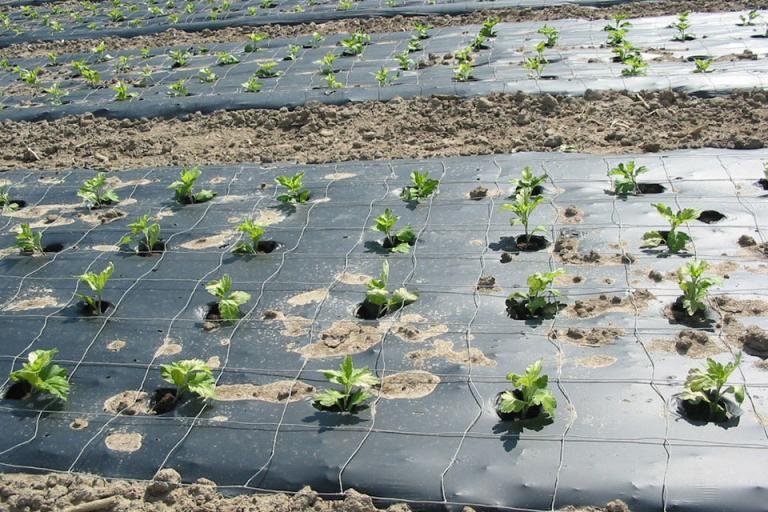
Soil Covering Materials for Controlled Crop Cultivation
Modern crop cultivation often relies on soil management techniques that regulate temperature, moisture retention, and weed growth. Mulch Film is widely used by agricultural producers to cover soil surfaces and create controlled growing conditions that improve crop performance.
This method, known as mulching, involves applying a thin plastic layer across planting beds or crop rows. The film acts as a barrier that limits evaporation, stabilizes soil temperature, and reduces weed development. Polyethylene mulching film is commonly selected for its durability and flexibility, allowing it to perform effectively throughout crop growth cycles.
Farmers and agricultural supply distributors working across Egypt frequently integrate mulch film roll products into field preparation strategies for improved yield management.
Understanding the Role of Mulching Film in Agriculture
Mulching is the agricultural practice of covering soil with protective material to enhance crop development. Plastic mulch films are used to regulate soil conditions and create an environment that supports healthy plant growth.
When applied correctly, the film reduces direct sunlight exposure to soil surfaces, suppressing unwanted plant growth and maintaining consistent soil moisture levels. This protective barrier improves the efficiency of irrigation and nutrient absorption.
Different crop varieties and climatic conditions require specific film properties. Therefore, mulch film is available in various thicknesses and colors to match agricultural requirements.
Clear and Coloured Mulch Film Variations
The selection of mulch film type influences soil temperature and weed management outcomes. Clear plastic mulch films are designed to maximize soil warming, making them suitable for crops that require higher soil temperatures to promote early growth.
Coloured mulch film options perform differently. Because they limit light transmission to the soil surface, they reduce weed growth beneath the film. This helps farmers maintain crop rows with fewer weeds competing for nutrients and water.
Agricultural producers in Egypt often select film types depending on crop cycles, soil temperature requirements, and weed control strategies.
Agronomic Advantages of Using Mulch Film
Applying mulch films in agricultural production provides several operational benefits for growers managing crop yield and soil conditions.
Reduced Weed Control Costs
Weeds require sunlight to grow. A coloured mulch film roll blocks sunlight from reaching the soil, significantly reducing weed development. This allows farmers to decrease reliance on herbicides and weed control chemicals.
Improved Soil Moisture Retention
Many crops depend more on stable soil moisture than frequent watering. Mulching film reduces water evaporation from the soil surface, helping maintain consistent moisture levels within the root zone.
Earlier Harvest Cycles
Plastic mulch helps warm the soil and maintain consistent growing conditions. This encourages faster crop development and can lead to earlier harvests compared with uncovered soil cultivation.
Efficient Fertilizer Utilization
When fertilizers are used together with mulch films, nutrients remain concentrated in the soil beneath the film. This improves fertilizer efficiency and supports stronger plant growth.
Enhanced Crop Development
The mulching layer helps limit air escape from the soil surface while retaining carbon dioxide and warmth. This phenomenon, often referred to as the “chimney effect,” supports improved plant development.
Crop Types Benefiting from Mulching Systems
Many vegetable crops respond positively to mulching techniques because of the improved soil environment created by plastic films.
Common crops cultivated using mulch film systems include:
- Tomatoes
• Peppers
• Eggplants
• Various vegetable plantations
By maintaining optimal soil conditions, these crops can achieve faster growth cycles and increased productivity.
Agricultural operations and farming enterprises in Egypt frequently adopt mulching systems to increase vegetable output and improve cultivation efficiency.
Manufacturing Supply for Agricultural Mulch Films
Tilak Polypack manufactures Mulch Film using polyethylene materials designed to meet agricultural durability requirements. Production processes ensure reliable film strength, flexibility, and resistance to environmental stress.
The company produces mulch film roll products in different colors and thickness options so growers can match film properties with crop cycles and climatic conditions.
With an established international supply network, Tilak Polypack provides mulch films to agricultural distributors and farming businesses operating across Egypt and other global markets.
SPECIFICATIONS OF MULCH FILM
| Thickness | Life | Width Available | Colours Available |
|---|---|---|---|
| 15 Micron-20 Micron | Single Season Crop | 600 MM to 1800 MM | Transparent, Black, White, Silver + Black, Red or as per customers requirement |
| 20 Micron-30 Micron | 2 or 3 Season Crops | 600 MM to 1800 MM | Transparent, Black, White, Silver + Black, Red or as per customers requirement |
| 50 Micron Onwards | Orchads for longer life | 600 MM to 1800 MM | Transparent, Black, White, Silver + Black, Red or as per customers requirement |