
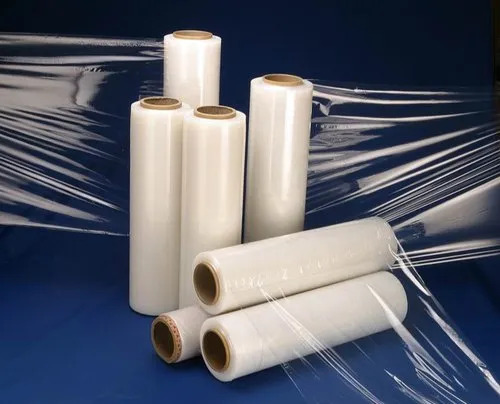
Advanced Stretch Film Technology for Efficient Load Containment
Modern logistics and industrial packaging systems increasingly require materials that combine load stability with responsible material usage. Oxy Fade Stretch Wrap represents a newer generation of stretch film technology designed to provide reliable pallet security while supporting improved sustainability performance.
Manufactured through an advanced extrusion process, the film is produced by forming melted polymer material into a durable and flexible structure. The resulting stretch wrap is engineered to protect palletized goods during storage, handling, and transportation while maintaining clarity and structural integrity.
For manufacturers, distributors, and warehouse operators in Algeria, packaging materials that combine operational efficiency with reduced environmental impact are becoming an important procurement consideration.
Material Engineering and Film Construction
Oxy Fade Stretch Wrap is formulated using a specialized material blend that helps reduce overall plastic consumption while maintaining the performance characteristics required in pallet wrapping operations. The engineered structure is designed to decrease plastic waste generation by up to 50% compared with conventional stretch films.
The film also incorporates an oxygen-barrier layer, which limits oxidation and contributes to improved protection of packaged goods during transportation and storage. This additional barrier characteristic is particularly useful for products that require controlled exposure to environmental conditions.
High optical clarity further improves the visibility of wrapped loads, allowing operators to inspect pallet contents without removing the protective film.
Application Methods for Industrial Wrapping
This stretch wrap is supplied in roll formats compatible with both manual and automated pallet wrapping systems. It can be applied using hand-operated dispensers or integrated machine wrapping equipment depending on the packaging workflow.
During the wrapping process, the film is stretched around pallet loads to generate tension that stabilizes cartons and packaged products. Proper application typically involves securing the end of the film before wrapping begins and forming a stable base layer around the pallet to support load stability.
Adjusting the level of film tension during wrapping allows packaging operators to control how tightly the load is secured. These practices ensure that palletized goods remain stable throughout transport and warehouse handling.
Performance Characteristics in Logistics Environments
Oxy Fade Stretch Wrap provides a combination of protective and structural benefits that support reliable packaging operations:
- High clarity film enabling visual inspection of wrapped goods
- Durable film structure designed to withstand transport conditions
- Oxygen barrier layer helping reduce oxidation exposure
- Stretchable film providing strong pallet containment
- Compatibility with both manual and machine wrapping systems
These performance attributes make the film suitable for packaging applications across logistics, warehousing, manufacturing, and distribution sectors.
Environmental Considerations in Stretch Film Use
As packaging industries focus more closely on environmental performance, stretch film technologies are evolving to improve material efficiency and waste reduction. Conventional stretch films are typically produced from polymers such as Linear Low-Density Polyethylene (LLDPE), which deliver elasticity and load containment but require responsible disposal and recycling practices.
Innovations in stretch film design including advanced extrusion techniques, improved elastic recovery, and specialized cling surfaces allow packaging operations to achieve secure wrapping with reduced material usage.
Some modern stretch films also incorporate dual-sided cling surfaces that help maintain load stability without the need for additional layers or extra packaging materials.
In Algeria’s growing logistics sector, such developments are increasingly relevant for companies aiming to optimize packaging efficiency while aligning with sustainability objectives.
Sustainable Packaging Direction
Manufacturers are exploring multiple approaches to reduce the environmental impact of stretch film packaging. These include improving recyclability, optimizing film thickness for lower material consumption, and developing alternative film compositions.
Eco-conscious stretch films may also include biodegradable formulations derived from plant-based materials, which can help minimize plastic waste when combined with responsible recycling and disposal practices.
Businesses evaluating packaging materials are encouraged to review recycling options available through local waste management authorities and to implement best practices for film disposal.
Manufacturing Capability and Industry Supply
Tilak Polypack manufactures a broad portfolio of stretch film products including hand stretch film, machine stretch film, and specialty films designed for specific packaging requirements. Our production facilities integrate advanced extrusion technology and strict quality control procedures to ensure consistent film performance.
With extensive export experience supplying packaging materials across major African markets including South Africa, Nigeria, Tanzania, Kenya, Sudan, Uganda, Algeria, Ethiopia, Egypt, DR Congo, Angola, Morocco, and Ghana, the company provides reliable packaging solutions to regional clients.
Through this supply capability, businesses operating in Algeria can access advanced stretch film products designed to support efficient pallet packaging and responsible material usage.