
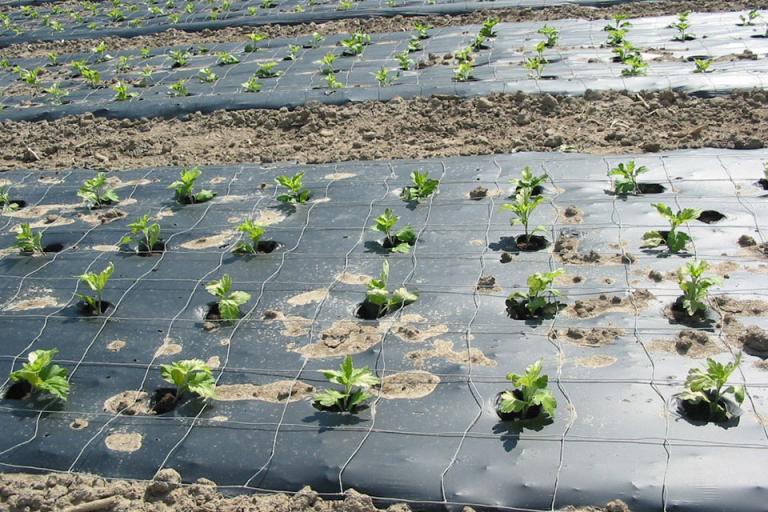
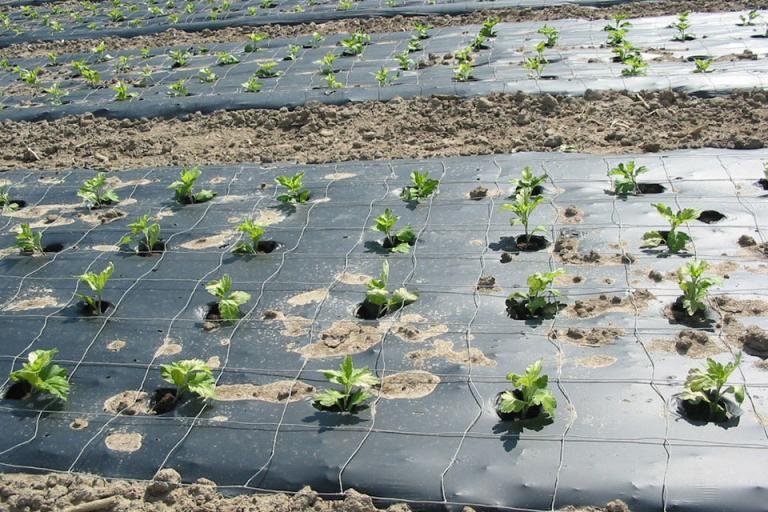
Less investment on weedicides: Weeds required light to grow. A coloured mulch film will not allow light to reach the soil hence reducing the number of weeds. This will benefit the farmer by reduction in use of weedicides.
Polymer Film Solutions for Modern Crop Management
Agricultural production systems increasingly rely on polymer-based materials to improve soil efficiency, protect crops, and optimize growing conditions. Agricultural Films are widely integrated into farming operations where moisture management, weed control, and environmental protection are essential for consistent crop performance.
Manufactured from high-quality polyethylene, these films provide durability, flexibility, and resistance to tearing or punctures. Their mechanical strength allows them to perform reliably under demanding outdoor conditions while supporting efficient crop management practices.
In Algeria’s agricultural supply chains, such materials are used across cultivation, greenhouse production, and post-harvest storage operations. Properly selected agri film helps agricultural operators maintain soil stability and enhance productivity across diverse crop systems.
Soil Management Through Agricultural Mulch
One of the most common applications of agricultural film is soil mulching. Agricultural mulch creates a protective barrier over the soil surface that limits light penetration, suppressing weed growth and reducing the need for chemical herbicides.
By covering the soil, mulch film also minimizes moisture evaporation and stabilizes soil temperature. These characteristics help maintain optimal conditions for plant roots, contributing to improved crop development and higher yield quality.
Mulch systems can also reduce overall water usage in agricultural fields, which is particularly valuable for growers managing irrigation efficiency in Algeria’s farming regions.
Range of Agricultural Film Applications
Different farming operations require specialized film structures depending on crop type, cultivation method, and environmental exposure. Agricultural films are therefore produced in multiple configurations to support varied agricultural processes.
Typical applications include:
- Greenhouse Covers – Films that create a controlled environment, protecting crops from wind, insects, and extreme weather conditions while maintaining suitable humidity and temperature levels.
- Silage Film – Used in agricultural packaging to preserve fodder by preventing exposure to air and moisture during storage.
- Fumigation Films – Applied during soil fumigation to improve the effectiveness of pest and disease control treatments.
- Low Tunnel Films – Used to form small protective structures over crop rows, accelerating plant growth and enabling earlier harvesting cycles.
These specialized agricultural film solutions contribute to improved crop protection and operational efficiency across agricultural production systems.
Engineering Characteristics of Modern Agri Film
Agricultural film manufacturers design polyethylene films with specific thicknesses, colors, and widths to match crop requirements and environmental conditions. Advances in film technology have also enabled the development of thinner films that maintain structural strength while reducing overall material usage.
This balance between durability and material efficiency improves cost management for agricultural businesses while supporting sustainability initiatives through reduced plastic consumption.
Proper selection of agricultural mulch or greenhouse film depends on crop cycle duration, sunlight exposure, and field conditions. By aligning film specifications with operational requirements, growers can achieve consistent performance and improved agricultural outcomes.
Manufacturing Capability and Global Supply Network
Tilak Polypack operates as a professional agricultural film manufacturer supplying high-performance agri film solutions to agricultural businesses worldwide. Each production batch undergoes strict quality testing to ensure consistent film strength, flexibility, and environmental resistance.
Our manufacturing infrastructure supports large-scale production across major African markets including South Africa, Nigeria, Tanzania, Kenya, Sudan, Uganda, Algeria, Ethiopia, Egypt, DR Congo, Angola, Morocco, and Ghana.
Through dependable manufacturing processes and structured logistics systems, we provide agricultural films designed to meet the operational expectations of agricultural buyers in Algeria.