
Introduction
Efficient waste management is a critical part of maintaining hygiene, safety, and operational efficiency in industrial and commercial environments. Businesses across sectors such as manufacturing, logistics, retail, and hospitality generate large volumes of waste daily, making it essential to use reliable and durable disposal solutions. Black refuse sacks have become a preferred choice due to their strength, versatility, and ability to handle different types of waste without tearing or leaking.
Choosing the right refuse sacks is not just about cost it directly affects workflow efficiency, cleanliness standards, and overall operational performance. For businesses operating in regions like South Africa, selecting high-quality waste management solutions ensures smooth day-to-day operations and compliance with industry standards.
What Are Black Refuse Sacks?
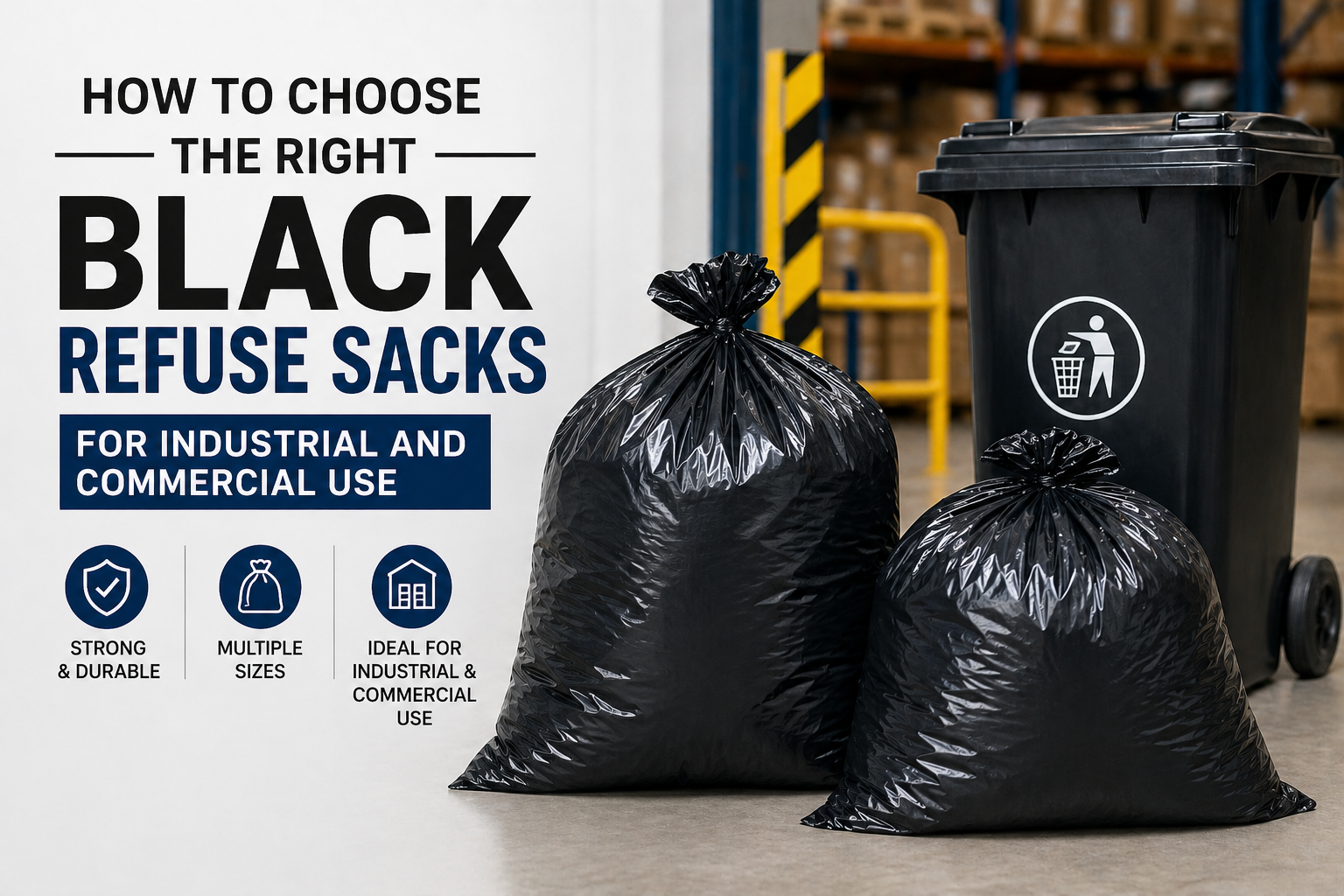
Black refuse sacks are heavy-duty plastic garbage bags designed for collecting and disposing of various types of waste. They are typically made from durable polyethylene materials that provide high resistance to punctures, tears, and leaks.
These sacks are widely used in environments where waste is generated continuously, including warehouses, factories, commercial kitchens, and public facilities. Their opaque design also helps conceal waste, maintaining a clean and professional appearance in customer-facing areas.
Businesses sourcing black refuse sacks in South Africa often look for products that combine durability, capacity, and cost-effectiveness to meet high-volume waste management needs.
Key Factors to Consider When Choosing Refuse Sacks
Selecting the right refuse sacks requires understanding specific operational needs and waste types. Several important factors influence the performance and suitability of garbage bags in industrial settings.
Material Strength and Thickness
The strength of a refuse sack depends on its material composition and thickness. Heavier and sharper waste materials require thicker sacks with higher puncture resistance to prevent damage and leakage.
Capacity and Size
Choosing the correct size ensures efficient waste collection without overfilling or frequent bag changes. Larger sacks are suitable for high-volume waste, while smaller ones are ideal for controlled disposal environments.
Type of Waste
Different industries generate different types of waste, including organic, recyclable, and industrial waste. Selecting sacks designed for specific waste types improves performance and reduces the risk of failure.
Resistance to Moisture and Leakage
In environments where wet waste is common, such as food processing or hospitality, leak-resistant sacks are essential to maintain hygiene and prevent contamination.
Cost Efficiency
While cost is an important factor, choosing low-quality sacks can lead to higher long-term expenses due to frequent replacements and potential product damage. Investing in durable refuse sacks provides better value over time.
Applications of Black Refuse Sacks Across Industries
Black refuse sacks are used across a wide range of industries due to their versatility and reliability.
Manufacturing and Industrial Facilities
Factories generate heavy and irregular waste materials that require strong and durable disposal solutions. Refuse sacks help maintain clean and safe working environments.
Warehousing and Logistics
Warehouses use refuse sacks to manage packaging waste, damaged goods, and general debris, ensuring organized operations and improved efficiency.
Hospitality and Food Services
Restaurants, hotels, and catering businesses rely on refuse sacks to handle organic and packaging waste while maintaining hygiene standards.
Retail and Commercial Spaces
Retail stores and shopping centres use refuse sacks for daily waste collection, ensuring clean and presentable environments for customers.
Facility Management and Cleaning Services
Cleaning companies depend on high-quality refuse sacks for efficient waste handling across multiple locations and large-scale operations.
Common Mistakes Businesses Should Avoid
Many businesses overlook the importance of selecting the right refuse sacks, leading to inefficiencies and increased costs.
One common mistake is choosing sacks based solely on price rather than quality, which often results in frequent tearing and leakage. Another issue is using incorrect sizes, leading to overfilled bags and handling difficulties.
Additionally, failing to match sack specifications with waste type can reduce performance and create hygiene risks. Proper evaluation of requirements helps businesses avoid these issues and improve waste management efficiency.
Benefits of Using High-Quality Refuse Sacks
Using durable and well-designed refuse sacks offers several advantages for businesses.
High-quality sacks reduce the risk of spills and contamination, improving workplace safety and cleanliness. They also enhance operational efficiency by minimizing the need for frequent replacements and reducing downtime.
Strong refuse sacks support better waste handling practices, contributing to a more organized and productive work environment. They also help businesses maintain compliance with hygiene and safety standards.
Why Supplier Quality Matters
The performance of refuse sacks depends heavily on the quality of raw materials and manufacturing processes. Working with a reliable supplier ensures consistent product quality, better durability, and solutions tailored to specific business needs.
A trusted supplier also provides guidance on selecting the right products, helping businesses optimize their waste management systems and reduce operational costs.
Conclusion
Black refuse sacks play a vital role in maintaining efficient waste management systems across industries. By choosing the right type of sacks based on strength, size, and application, businesses can improve operational efficiency, reduce costs, and maintain high hygiene standards.