
Introduction
Stretch film has become an essential component in modern packaging and logistics operations, providing a reliable method for securing and protecting goods during storage and transportation. Businesses across industries depend on stretch film to maintain product stability, reduce damage, and improve handling efficiency. However, selecting the right type of stretch film is not always straightforward, as different applications require different film properties and performance levels.
Understanding the various types of stretch film and how they function can help businesses make informed decisions that improve packaging efficiency and reduce operational costs. For companies operating in international markets, including South Africa, choosing the correct stretch film solution is critical for maintaining supply chain reliability and product safety.
What is Stretch Film and Why is it Important?
Stretch film is a highly stretchable plastic film commonly used to wrap around products, particularly palletized goods, to keep them secure and protected. Its elastic recovery allows it to hold items tightly together, preventing shifting during transport and minimizing the risk of damage.
In fast-paced logistics environments, stretch film plays a crucial role in ensuring that goods remain intact from warehouse to delivery. It also provides protection against dust, moisture, and external contaminants, making it suitable for a wide range of industries including manufacturing, retail, and distribution.
Businesses sourcing stretch film in South Africa often look for solutions that offer durability, consistency, and cost efficiency for both domestic use and export operations.
Different Types of Stretch Film
Selecting the right stretch film begins with understanding the different types available in the market. Each type is designed for specific applications and operational needs.
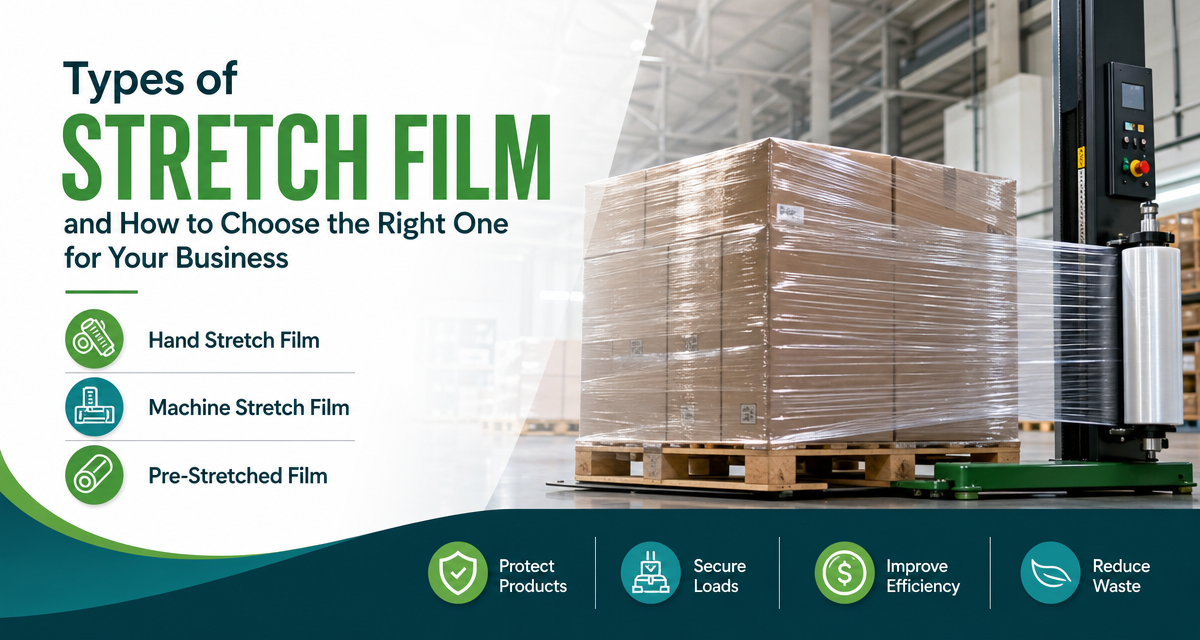
Hand Stretch Film
Hand stretch film is designed for manual application and is commonly used in smaller operations or where flexibility is required. It is ideal for businesses that do not rely on automated machinery and need a cost-effective wrapping solution.
Machine Stretch Film
Machine stretch film is used with automated wrapping machines in high-volume environments. It offers consistent application, higher efficiency, and reduced material usage compared to manual wrapping.
Pre-Stretched Film
Pre-stretched film is stretched during the manufacturing process, allowing users to apply it with minimal effort. This type of film reduces worker fatigue and ensures consistent wrapping performance.
Blown Stretch Film
Blown stretch film is known for its high strength and puncture resistance. It is suitable for heavy or irregular loads that require strong containment.
Cast Stretch Film
Cast stretch film provides excellent clarity and quiet unwinding, making it ideal for applications where visibility and smooth handling are important.
Key Factors to Consider When Choosing Stretch Film
Choosing the right stretch film depends on several factors that directly impact performance and cost efficiency.
Load Type and Weight
The size, shape, and weight of the load determine the type of film required. Heavier loads typically need thicker and stronger film to ensure stability.
Application Method
Businesses should consider whether they will use manual or machine wrapping. This decision influences the type of stretch film and its specifications.
Film Thickness (Gauge)
Thicker films offer better strength and durability, while thinner films can be more cost-effective for lighter applications. Selecting the correct gauge helps balance performance and cost.
Cling and Stretchability
High-quality stretch film should provide strong cling and excellent stretchability to ensure secure wrapping without excessive material use.
Environmental Conditions
In regions with varying climates, such as South Africa, it is important to choose film that can withstand temperature changes, humidity, and transportation conditions.
Applications of Stretch Film in Different Industries
Stretch film is widely used across multiple industries due to its versatility and effectiveness.
Logistics and Warehousing
Used for pallet wrapping and securing goods during storage and transportation.
Manufacturing
Helps protect products and components during internal handling and shipping.
Retail and Distribution
Ensures products remain intact and organized throughout the supply chain.
Agriculture and Food Industry
Used for packaging and protecting goods from environmental exposure.
Common Mistakes Businesses Should Avoid
Many businesses fail to optimize their packaging processes due to incorrect film selection or usage.
One common mistake is using low-quality film to reduce costs, which often leads to product damage and higher overall expenses. Another issue is selecting the wrong film thickness, resulting in either insufficient protection or unnecessary material usage.
Additionally, improper wrapping techniques can reduce load stability, increasing the risk of damage during transit. Training staff and using the right materials can significantly improve packaging efficiency.
Why Choosing the Right Supplier Matters
The quality of stretch film depends heavily on the manufacturing process and raw materials used. Working with a reliable supplier ensures consistent performance, better durability, and cost-effective solutions tailored to business needs.
A trusted supplier also provides guidance on selecting the right film type, helping businesses optimize their packaging operations and reduce waste.
Conclusion
Stretch film is a critical packaging solution that directly impacts product safety, operational efficiency, and overall costs. By understanding the different types of stretch film and selecting the right one based on specific requirements, businesses can improve their packaging performance and streamline their logistics processes.