
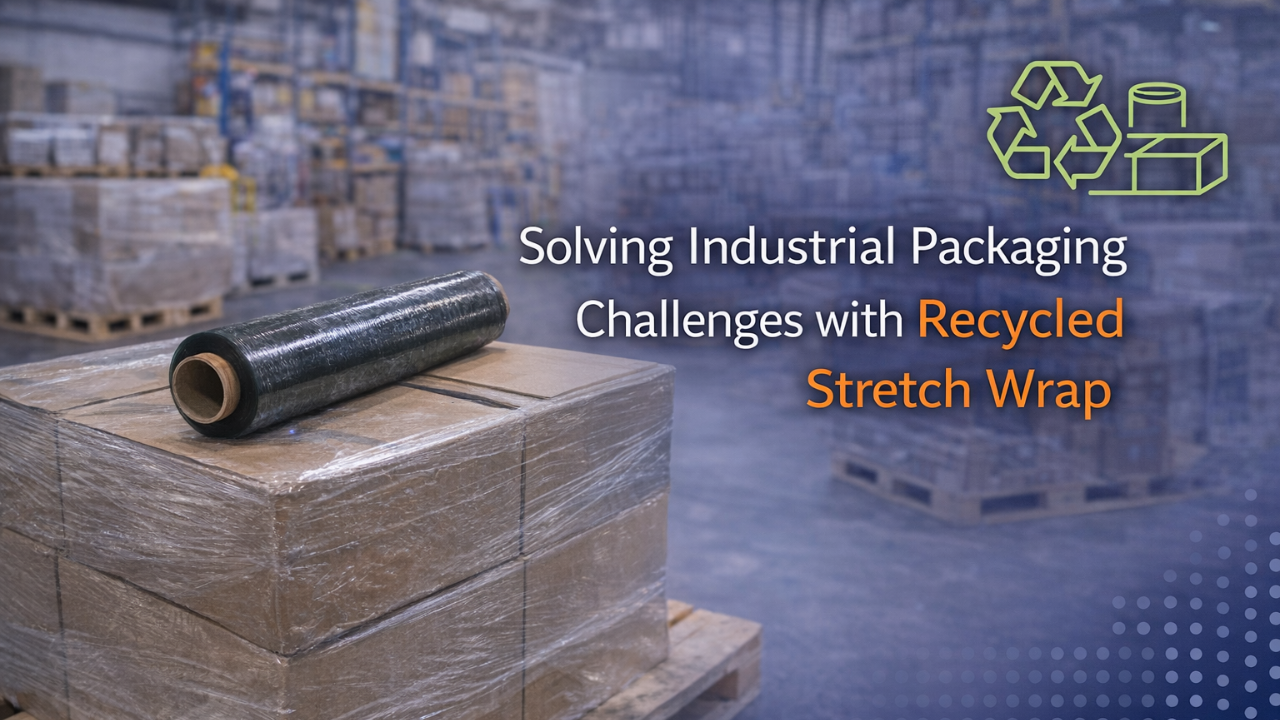
Industrial packaging operations often face a range of challenges, from maintaining load stability to reducing environmental impact without affecting efficiency. Traditional plastic films have long dominated the sector, but increasing pressure to adopt sustainable alternatives has created new complexities. Recycled stretch wrap is emerging as a practical solution that addresses both operational demands and environmental concerns. It enables businesses to transition toward eco-friendly practices while continuing to meet the rigorous requirements of logistics and warehousing environments.
Across African markets, companies are tackling packaging inefficiencies by adopting recycled materials that maintain performance. Businesses sourcing recycled stretch wrap in South Africa are improving sustainability without sacrificing load security. Similarly, industries exploring Nigeria recycled film solutions are addressing waste reduction challenges. Markets like Tanzania eco packaging improvements are also adapting to modern packaging demands.
Balancing Sustainability with Load Stability Requirements
One of the primary concerns in switching to recycled materials is whether they can deliver the same level of load stability as conventional films. Recycled stretch wrap is engineered to provide strong pallet containment, ensuring goods remain secure during storage and transportation. In regions such as Kenya pallet wrapping solutions, businesses are successfully integrating recycled films into daily operations. Similarly, Sudan industrial packaging challenges highlight the importance of maintaining consistent wrapping performance.
Reducing Material Waste Without Compromising Efficiency
Packaging waste is a major concern for industrial operations, especially in high-volume environments. Recycled stretch wrap helps minimize waste by incorporating post-consumer and post-industrial materials into production. This approach not only reduces environmental impact but also supports circular economy initiatives, making it a valuable solution for modern businesses.
Improving Application Speed and Operational Productivity
Efficiency in packaging operations is critical for maintaining productivity. Recycled stretch wrap is designed for smooth application in both manual and machine processes, reducing wrapping time and minimizing errors. Businesses operating in Uganda packaging efficiency improvements benefit from faster operations, while Algeria stretch film solutions demonstrate how improved materials can streamline workflows.
Addressing Durability Concerns in Recycled Materials
A common misconception is that recycled films lack durability, but modern manufacturing processes have significantly improved material strength. Recycled stretch wrap now offers excellent puncture resistance and stretch capability, making it suitable for demanding industrial applications. This ensures that businesses can rely on recycled materials without compromising product protection.
Supporting Environmental Goals While Maintaining Performance
Organizations are increasingly required to meet sustainability targets, and packaging plays a key role in achieving these objectives. Recycled stretch wrap provides a practical way to reduce environmental impact while maintaining operational standards. By adopting this solution, businesses can align with global sustainability trends without disrupting their supply chain processes.
Conclusion
Recycled stretch wrap effectively addresses many of the challenges faced in industrial packaging today. From improving load stability to reducing environmental impact, it offers a balanced solution for modern businesses. As industries continue to evolve, adopting recycled packaging materials will be essential for achieving both operational efficiency and sustainability goals.