
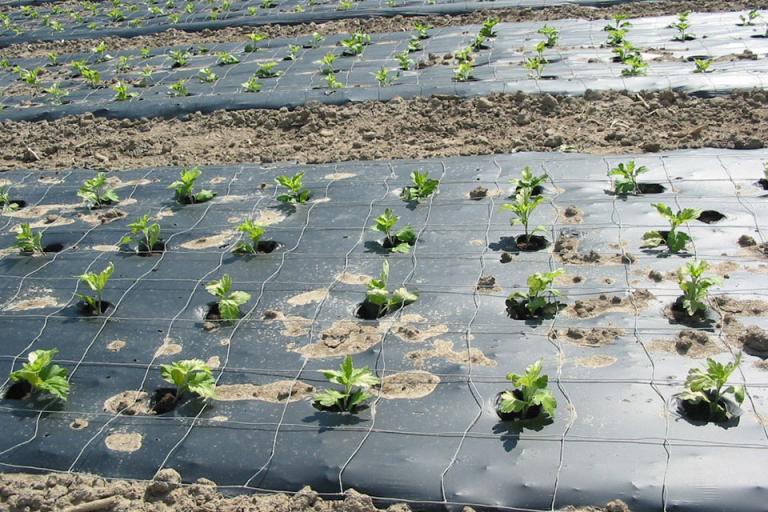
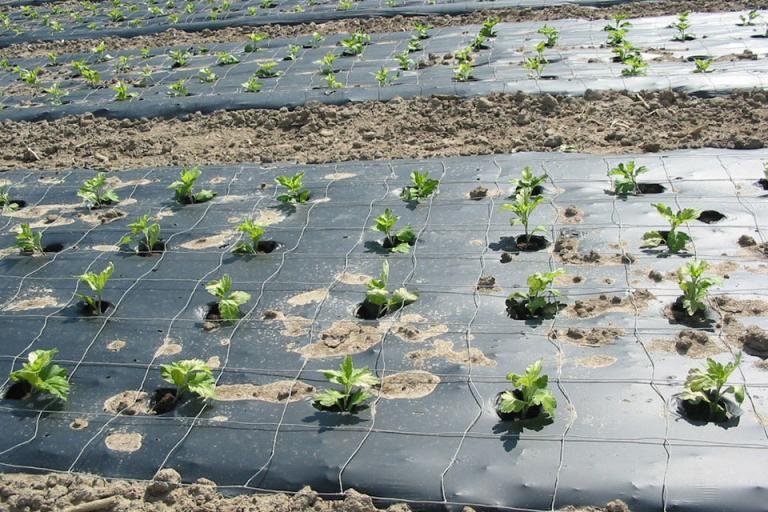
Less investment on weedicides: Weeds required light to grow. A coloured mulch film will not allow light to reach the soil hence reducing the number of weeds. This will benefit the farmer by reduction in use of weedicides.
Agricultural Films for Crop Protection and Yield Optimization
Agricultural Films are essential inputs in modern farming systems where consistent crop protection, moisture control, and soil management are required to improve productivity. Manufactured from high-quality polyethylene, these films are designed to perform under demanding field conditions, offering strength, flexibility, and resistance to tearing. In agricultural operations across Ghana, the use of agricultural film supports efficient cultivation practices by protecting crops from environmental stress and improving growing conditions.
These films are widely adopted in both open-field farming and controlled cultivation systems, where maintaining soil quality and reducing external impact plays a critical role in achieving better output.
Agricultural Mulch and Soil Management Applications
One of the primary uses of agricultural mulch is soil covering to regulate temperature, reduce evaporation, and suppress weed growth. By forming a protective layer over the soil, agricultural films help maintain consistent moisture levels, which is essential for crop development in varying climatic conditions.
Mulch films also contribute to reduced water consumption by limiting evaporation losses, making them suitable for regions where efficient water use is necessary. In addition, they help minimize weed growth, reducing reliance on chemical herbicides and supporting cleaner cultivation practices.
The use of agricultural mulch allows farmers to create controlled soil conditions that promote uniform plant growth and improved crop quality.
Types of Agricultural Film Used in Farming Systems
Different types of agricultural film are used depending on the specific requirements of farming operations. Each type is designed to address particular challenges related to crop protection, soil management, or storage.
Mulch films are used to cover soil surfaces and improve growing conditions.
Greenhouse films are applied to create controlled environments for crop cultivation.
Silage film is used for preserving animal feed by protecting it from moisture and air exposure.
Fumigation films assist in soil treatment by enhancing the effectiveness of fumigation processes.
Low tunnel films are used to create protective coverings over crop rows, helping accelerate growth and protect against external conditions.
These variations allow agricultural businesses to select the most suitable film based on crop type, climate, and operational requirements.
Material Properties and Field Performance
Agricultural films are engineered to provide durability and consistent performance in outdoor environments. Their polyethylene structure offers resistance to punctures and mechanical stress, ensuring reliability during installation and use.
These films also provide protection against environmental factors such as moisture, wind, and temperature variations. Advances in film production have enabled the development of thinner yet strong materials, allowing efficient material usage without compromising performance.
Because of their adaptability, agricultural films can be customized in terms of thickness, width, and color to suit different agricultural applications.
Agricultural Film Manufacturers and Supply Capabilities
Tilak Polypack is among the agricultural film manufacturers producing agri film solutions for diverse farming requirements. The manufacturing process involves controlled extrusion techniques that ensure consistent film quality, strength, and performance across applications.
The company supplies agricultural films across South Africa, Nigeria, Tanzania, Kenya, Sudan, Uganda, Algeria, Ethiopia, Egypt, DR Congo, Angola, Morocco, and Ghana, supporting agricultural operations with reliable film products suited for different cultivation systems.
Benefits of Using Agricultural Films
Agricultural films contribute to improved farming efficiency by supporting better resource management and crop protection.
Key benefits include:
Technical Characteristics of Agricultural Films
- Manufactured from durable polyethylene materials
- Available in multiple thicknesses, widths, and colors
- Suitable for mulch, greenhouse, silage, and fumigation applications
- Designed for outdoor agricultural conditions
- Provides resistance to tearing and environmental stress
- Supports sustainable and efficient farming practices