
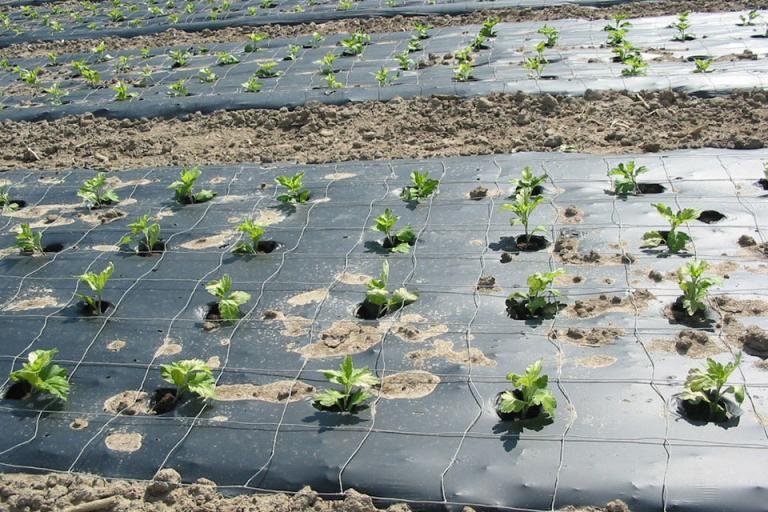
Mulch Film for Efficient Soil and Crop Management
Mulch Film is widely used in modern agriculture to improve soil conditions and support healthy crop development. The practice of covering soil surfaces with a protective plastic layer is known as mulching. By using a mulch film roll across cultivated fields, farmers create a controlled environment that helps maintain soil moisture, regulate temperature, and limit weed growth. Agricultural operations and farming suppliers serving Morocco often adopt mulching film solutions to improve crop productivity and optimize field management.
Mulch films are manufactured from polyethylene materials and are available in different colors, widths, and thickness levels depending on crop requirements and climatic conditions. These films form a protective barrier over the soil, allowing crops to grow in a more stable and efficient environment.
Understanding the Function of Mulching Film
Mulching film is designed to cover the soil surface around planted crops, reducing exposure to environmental elements while supporting healthy plant growth. When installed properly, the film limits direct sunlight from reaching the soil surface, which significantly reduces the growth of weeds.
Different film colors influence soil temperature in different ways. Clear plastic mulch film allows maximum sunlight penetration and increases soil warming, which can accelerate plant growth. Colored mulch films, on the other hand, reduce soil warming slightly while preventing light transmission that promotes weed growth.
This ability to manage soil temperature and sunlight exposure allows farmers to choose mulch films based on crop type, regional climate, and growing conditions.
Soil Moisture Retention with Plastic Mulch
One of the key benefits of using plastic mulch is improved soil moisture retention. Mulching film reduces evaporation by covering the soil surface and limiting direct contact between soil moisture and air.
Many crops require consistent moisture levels rather than large quantities of water. By using mulch films, farmers can maintain balanced soil humidity levels that support healthy root development. This approach helps reduce irrigation requirements and improves water efficiency in agricultural fields.
Maintaining soil moisture also contributes to better nutrient absorption and overall crop health.
Crop Growth and Early Harvest Advantages
Mulch films contribute to earlier crop development by maintaining favorable soil temperature and moisture conditions. When soil temperatures increase slightly under plastic mulch, crop growth may begin sooner compared to uncovered soil.
This early growth often leads to earlier harvest periods, allowing farmers to bring produce to market sooner. In many vegetable cultivation systems, mulching film supports improved yields and more consistent production cycles.
Vegetables such as tomatoes, peppers, eggplants, and other field crops often respond well to mulch film applications because of the stable soil environment created by the plastic layer.
Fertilizer Efficiency in Mulched Fields
Mulching film also supports more effective fertilizer utilization. By limiting water evaporation and protecting soil nutrients, the fertilizer applied to crops remains concentrated around the root zone.
This controlled nutrient environment helps plants absorb essential nutrients more efficiently while reducing fertilizer loss. Farmers can therefore achieve improved crop performance with more efficient use of agricultural inputs.
The mulching process also creates a microclimate around the soil surface that supports plant growth. Reduced air movement near the soil surface helps retain carbon dioxide around plant roots, a phenomenon sometimes referred to as the chimney effect in agricultural soil systems.
Applications of Mulch Film in Vegetable Farming
Mulch films are commonly used in vegetable cultivation where consistent soil conditions are essential for crop productivity. Crops such as tomatoes, peppers, cucumbers, and eggplants often benefit from the use of mulching film systems.
The controlled environment created by mulch films helps support earlier plant establishment and improved crop yields. Farmers are able to harvest vegetables earlier while maintaining consistent production across growing seasons.
These advantages make mulch film roll systems widely used in commercial vegetable production, horticulture operations, and agricultural supply chains.
Mulch Film Manufacturing and Supply
Mulch films are produced using polyethylene extrusion technology designed for agricultural applications. The film manufacturing process ensures consistent thickness, durability, and resistance to tearing during field installation.
Tilak Polypack manufactures mulching film solutions for agricultural distributors, farming cooperatives, and agricultural businesses. The company produces mulch films in various colors, widths, and thickness levels to support different crop systems and field conditions.
Its export distribution network includes South Africa, Nigeria, Tanzania, Kenya, Sudan, Uganda, Algeria, Ethiopia, Egypt, DR Congo, Angola, Morocco, and Ghana. Through this regional supply network, agricultural buyers operating in Morocco can obtain reliable mulch films suitable for modern farming operations.
Benefits of Mulching Film in Agriculture
SPECIFICATIONS OF MULCH FILM
| Thickness | Life | Width Available | Colours Available |
|---|---|---|---|
| 15 Micron-20 Micron | Single Season Crop | 600 MM to 1800 MM | Transparent, Black, White, Silver + Black, Red or as per customers requirement |
| 20 Micron-30 Micron | 2 or 3 Season Crops | 600 MM to 1800 MM | Transparent, Black, White, Silver + Black, Red or as per customers requirement |
| 50 Micron Onwards | Orchads for longer life | 600 MM to 1800 MM | Transparent, Black, White, Silver + Black, Red or as per customers requirement |