
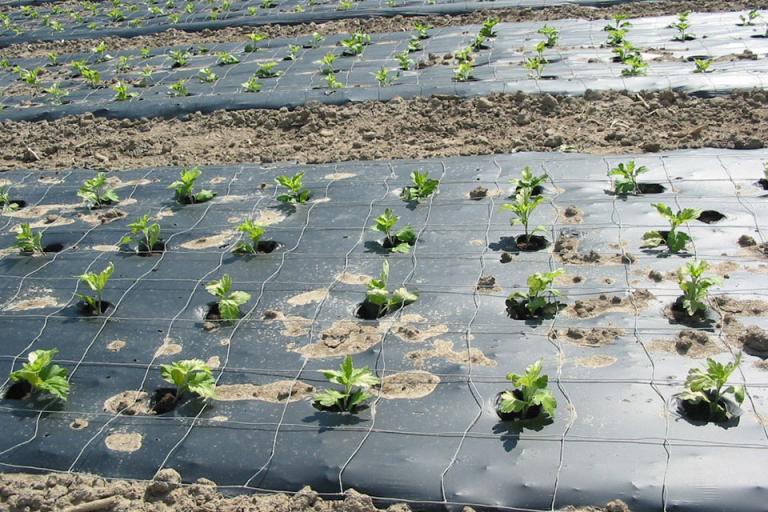
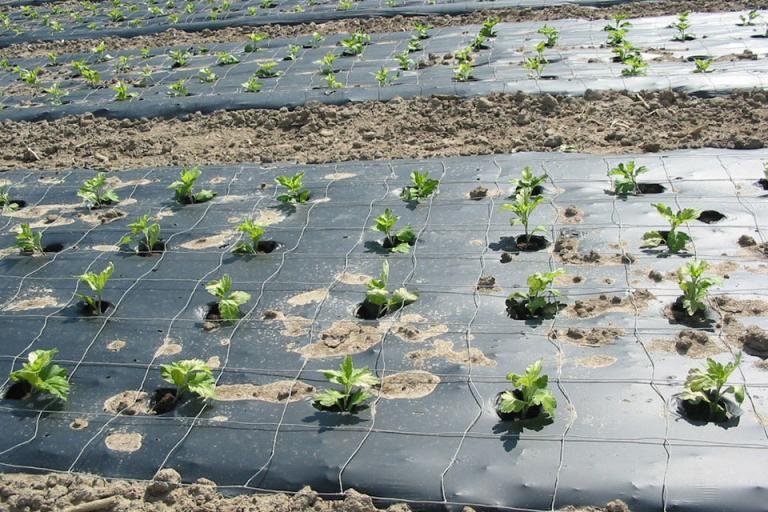
Less investment on weedicides: Weeds required light to grow. A coloured mulch film will not allow light to reach the soil hence reducing the number of weeds. This will benefit the farmer by reduction in use of weedicides.
Agricultural Films for Modern Crop Protection Systems
Agricultural Films are widely used in modern farming systems to improve crop performance, soil protection, and resource efficiency. Manufactured from high-quality polyethylene, these films provide durability, flexibility, and resistance to punctures and tearing under demanding agricultural conditions. Farmers and agricultural distributors working in Morocco often rely on agricultural film solutions to protect crops from environmental exposure while improving productivity and crop quality.
These films act as a protective layer between the soil and the external environment, helping growers maintain controlled growing conditions. By reducing moisture loss and shielding soil surfaces, agricultural films support efficient cultivation practices while protecting crops during various stages of growth.
Role of Agricultural Film in Soil and Crop Management
Agricultural mulch is one of the most common uses of agricultural films in farming operations. When applied to the soil surface, agricultural mulch helps regulate soil temperature, suppress weed growth, and retain moisture. These benefits create a more stable growing environment for crops and contribute to improved yield quality.
Plastic mulch also reduces water evaporation from the soil, allowing farmers to conserve irrigation resources. In many agricultural systems, this approach improves water efficiency while lowering the need for chemical herbicides. By maintaining stable soil conditions, agri film helps support consistent crop development throughout the growing cycle.
Agricultural films also contribute to better soil management by reducing erosion and protecting the top layer of soil from environmental exposure.
Different Applications of Agricultural Films
Agricultural films are used in several types of farming applications depending on crop type and production methods. These films are produced in different thicknesses, colors, and widths to match specific agricultural needs.
Greenhouse covers are used to create controlled environments where temperature and humidity can be regulated for crop production. These covers help protect crops from extreme weather conditions while extending growing seasons.
Silage film is commonly used to preserve livestock feed. By wrapping stored fodder with protective film, farmers prevent oxygen and moisture from damaging the stored material, ensuring proper fermentation and nutrient retention.
Fumigation films are applied during soil treatment processes to contain fumigants and increase their effectiveness in controlling pests and soil-borne diseases.
Low tunnel films are used to create temporary protective covers over crop rows. These structures help protect young plants from frost, wind, and insects while accelerating plant growth.
Each agricultural film type is designed to address specific cultivation requirements and improve overall farm productivity.
Material Properties of Agricultural Film
Agricultural films are manufactured using polyethylene polymers designed to withstand outdoor agricultural conditions. The material structure offers strength, flexibility, and resistance to tearing while remaining lightweight for easy installation in agricultural fields.
Modern film production technology also allows the development of thinner films that maintain durability while reducing overall material consumption. These improvements help farmers lower material usage per acre while maintaining reliable crop protection.
Many agricultural film products are also designed to support recycling initiatives, helping agricultural businesses adopt more sustainable farming practices.
Agricultural Film Manufacturing and Supply
Agricultural film manufacturers develop specialized agri film products for farmers, distributors, and agricultural supply companies. These films are produced using controlled extrusion processes that ensure uniform thickness, durability, and performance across large farming areas.
Tilak Polypack produces a wide range of agricultural film solutions designed for crop protection, soil management, and agricultural packaging applications. The manufacturing process includes quality testing to ensure that films perform reliably under varying agricultural conditions.
The company supplies agricultural films to distributors and agricultural businesses across several African markets including South Africa, Nigeria, Tanzania, Kenya, Sudan, Uganda, Algeria, Ethiopia, Egypt, DR Congo, Angola, Morocco, and Ghana. Through this distribution network, agricultural buyers operating in Morocco can access reliable agri film solutions for different crop management systems.
Types of Agricultural Films Available
- Agricultural mulch films for soil moisture retention and weed control
- Greenhouse films for controlled crop cultivation environments
- Silage films for livestock feed preservation
- Fumigation films for soil treatment operations
- Low tunnel films for crop row protection