
Mulch Film for Agriculture in Angola
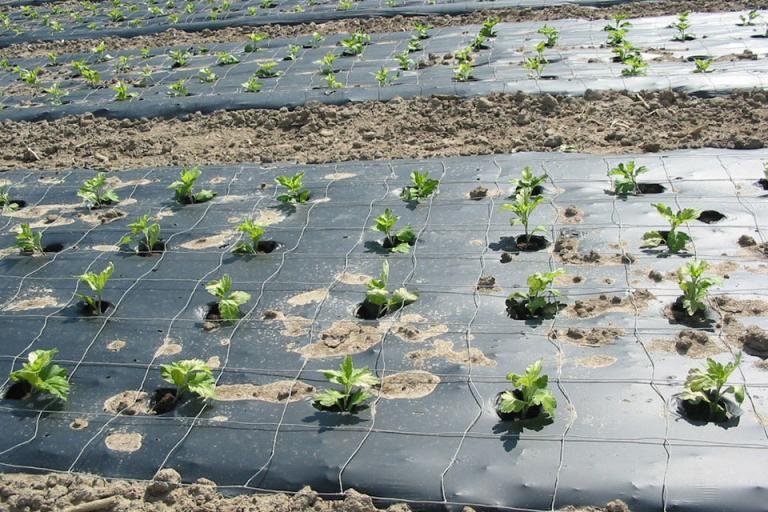
Tilak Polypack supplies mulch film in Angola for agricultural, horticultural, and commercial crop-production applications. Mulch film is used to cover the soil around crops and create a more controlled growing environment while helping manage moisture, weeds, and soil temperature.
Our mulching film is available in different thicknesses, widths, and colours to suit different crop cycles and soil-covering requirements. The film is supplied in roll form for practical handling and installation across agricultural fields and crop beds.
For commercial growers, agricultural distributors, and bulk buyers, mulch film can be selected according to the required crop duration, film thickness, width, colour, and quantity.
Plastic Mulch Film for Crop Production
Plastic mulch film provides a protective covering over the soil surface around growing crops. By covering the soil, the film can help reduce direct evaporation and limit light reaching the soil surface.
Depending on the film colour and application, mulch film can help:
- Retain moisture around the crop root zone
- Suppress weed growth
- Help regulate soil temperature
- Reduce direct exposure of the soil surface
- Support more consistent soil conditions
- Reduce the need for frequent manual weed removal in covered areas
The appropriate film should be selected according to the crop, cultivation system, required service life, and intended application.
Mulch Film Types and Colours
Tilak Polypack offers mulch films in different colours for different agricultural requirements.
Transparent Mulch Film
Transparent mulch film allows sunlight to pass through the film and can help warm the soil underneath. It can be selected for crop-production applications where soil warming is required.
Black Mulch Film
Black mulch film limits light reaching the soil surface and is suitable for applications where weed suppression is an important requirement. It provides continuous soil coverage around the crop.
White Mulch Film
White mulch film provides a light-coloured soil covering and can be selected according to the requirements of the crop and cultivation system.
Silver + Black Mulch Film
Silver + black mulch film provides a combination of surface colours for agricultural applications requiring specific light-management characteristics.
Red Mulch Film
Red mulch film is another available colour option for agricultural applications where a specific film colour is required.
Custom colour requirements can also be discussed according to production requirements.
Mulch Film Specifications
Tilak Polypack manufactures mulch film in different thickness ranges for different crop cycles and longer-duration applications.
| Thickness | Typical Application | Available Width | Colours Available |
|---|---|---|---|
| 15–20 micron | Single-season crops | 600–1800 mm | Transparent, Black, White, Silver + Black, Red or customer requirement |
| 20–30 micron | 2 or 3-season crops | 600–1800 mm | Transparent, Black, White, Silver + Black, Red or customer requirement |
| 50 micron onwards | Orchards and longer-life applications | 600–1800 mm | Transparent, Black, White, Silver + Black, Red or customer requirement |
The required mulch film thickness and width can be selected according to the intended application and expected duration of use.
For larger agricultural projects, distributors, and commercial farming operations, buyers can discuss their required specifications and quantities with Tilak Polypack.
Benefits of Mulching Film
Moisture Retention
Covering the soil with mulching film can help reduce moisture loss from the soil surface. This can support more consistent moisture management around covered crop areas.
Weed Suppression
Light-blocking mulch films, particularly black film, can help suppress weeds by reducing the light available at the soil surface. This can help keep the area around crops easier to manage.
Soil Temperature Management
The colour and construction of mulch film can influence the temperature of the soil underneath the film. Transparent film allows more sunlight through, while other colours provide different light-management characteristics.
Soil Surface Protection
Mulch film creates a physical covering over the soil surface, helping provide a more controlled environment around the crop during the growing cycle.
Mulch Film Applications
Mulch film rolls can be used for a variety of agricultural and horticultural applications, including:
- Vegetable cultivation
- Horticultural crop production
- Commercial crop farming
- Field crop beds
- Seasonal crop production
- Multi-season crop applications
- Orchard applications requiring longer-life soil covering
The appropriate film thickness, width, and colour can be selected based on the crop cycle and cultivation requirements.
Mulch Film Rolls for Commercial Agricultural Supply
Tilak Polypack supplies mulch film roll products in different widths and thicknesses for commercial agricultural use.
Available widths range from 600 mm to 1800 mm, providing options for different crop-bed layouts and soil-covering requirements. Thickness options range from 15–20 micron for single-season applications through 50 micron onwards for longer-life orchard applications.
Bulk buyers can specify their required:
- Film thickness
- Film width
- Colour
- Application
- Crop cycle
- Quantity
- Custom requirements
This makes the mulch film suitable for agricultural businesses and distributors looking for consistent roll supply.
Mulch Film Manufacturer and Supplier for Angola
Tilak Polypack is a manufacturer and exporter of plastic films for agricultural and industrial applications. Our mulch film range is manufactured in multiple thicknesses, widths, and colours to support different agricultural requirements.
If you are sourcing mulch film in Angola, Tilak Polypack can supply mulch film rolls according to the required specification and order quantity.
Our product range is suitable for buyers looking for:
- Mulch film manufacturer
- Mulch film supplier
- Plastic mulch film supplier
- Agricultural mulch film supplier
- Bulk mulch film rolls
- Custom mulch film specifications
For commercial agricultural projects and distribution requirements, contact Tilak Polypack with your required film specifications.