
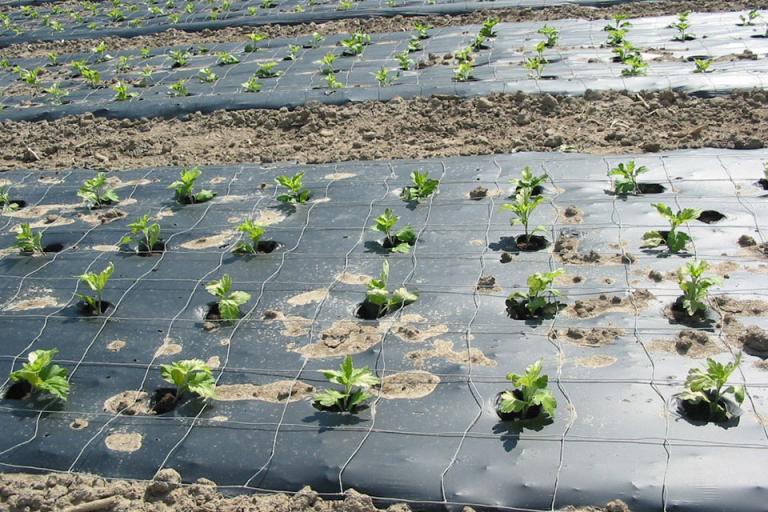
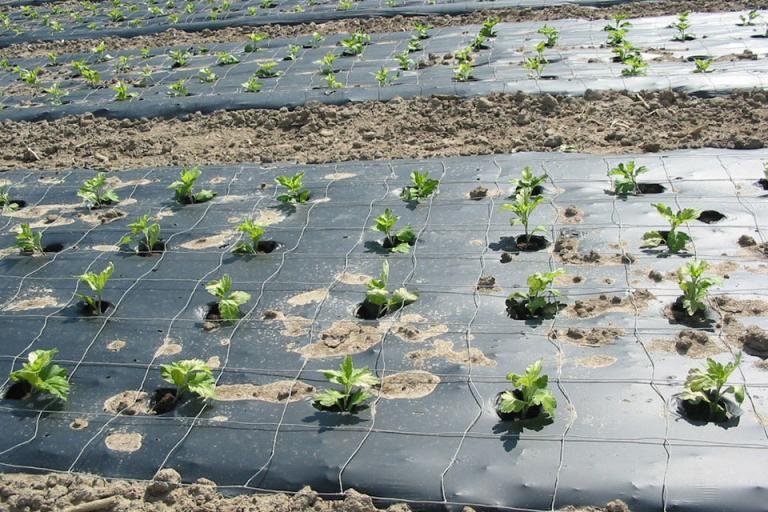
Less investment on weedicides: Weeds required light to grow. A coloured mulch film will not allow light to reach the soil hence reducing the number of weeds. This will benefit the farmer by reduction in use of weedicides.
Improving Crop Protection and Yield Management with Agricultural Films
Modern farming operations increasingly rely on protective materials that improve soil conditions, regulate moisture, and protect crops from environmental stress. Agricultural Films play a critical role in this process by creating a controlled micro-environment around crops. These films are widely used in commercial agriculture because they improve soil efficiency, protect plants from external elements, and support higher productivity.
Manufactured using high-quality polyethylene, agricultural film products are designed to provide flexibility, durability, and reliable field performance. Their resistance to tearing, puncture damage, and environmental exposure allows farmers and agricultural suppliers to maintain crop quality across multiple growing cycles. Agricultural distributors and farming operations in DR Congo increasingly utilize agri film technologies to improve water conservation and crop output in challenging growing conditions.
Soil Management and Moisture Retention Benefits
One of the most common applications of agricultural films is soil covering through agricultural mulch. By placing a thin polyethylene layer across planting rows, farmers can reduce evaporation and maintain stable soil moisture levels. This process supports efficient irrigation management and helps reduce unnecessary water usage in crop fields.
In addition to moisture retention, agricultural mulch plays an important role in temperature regulation. The film helps maintain warmer soil conditions during early growth stages, supporting faster plant development and improving germination rates.
Weed suppression is another major advantage. Because the film blocks sunlight from reaching the soil surface, unwanted plant growth is significantly reduced. Farmers using agricultural film systems often experience improved crop uniformity and reduced dependency on chemical weed control solutions.
Diverse Applications of Agricultural Film in Modern Farming
Agricultural production requires different types of protective materials depending on the crop, climate, and storage needs. Agricultural films are therefore manufactured in various configurations to support multiple agricultural applications.
These include greenhouse covers that help maintain stable growing environments, mulch films that improve soil productivity, and silage films used for preserving animal feed. Fumigation films are also commonly used during soil treatment processes to improve pest control effectiveness.
Each type of agri film serves a specific function within agricultural systems. Selecting the appropriate film depends on crop requirements, environmental conditions, and the desired performance characteristics during the growing season. Farmers and agricultural suppliers operating in DR Congo often select specialized agricultural plastic film products based on crop type and soil conditions.
Structural Properties of Agricultural Plastic Films
The performance of agricultural films is determined by their material composition and production technology. Polyethylene films offer several physical properties that make them highly suitable for agricultural applications.
These films provide strong resistance to moisture penetration while maintaining flexibility during installation. Their lightweight structure allows large field areas to be covered efficiently without excessive labor or equipment requirements.
Advanced agricultural film manufacturers design these films to balance thickness, durability, and UV stability, ensuring the material can withstand prolonged exposure to sunlight and environmental stress during the growing cycle.
The ability to customize width, thickness, and color also enables farmers to select films optimized for specific agricultural environments.
Types of Agricultural Films Used in Farming Systems
Different agricultural operations require specific film types designed for targeted purposes. Some commonly used agricultural films include:
Mulch Films – Used to cover soil surfaces, suppress weeds, and regulate temperature and moisture levels.
Greenhouse Films – Installed over greenhouse structures to maintain controlled temperature and humidity conditions for crop growth.
Silage Films – Applied in agricultural packaging to preserve animal feed by protecting it from oxygen and moisture exposure.
Fumigation Films – Used during soil fumigation treatments to increase the effectiveness of pest and disease control methods.
Low Tunnel Films – Installed over crop rows to protect plants from frost, insects, and extreme weather conditions.
By selecting the correct agricultural plastic film, growers can significantly improve crop productivity while reducing resource consumption.
Manufacturing Expertise and Agricultural Film Supply
Tilak Polypack operates as one of the established agricultural film manufacturers supplying polyethylene film solutions for modern agricultural applications. The company produces a wide range of agri film products engineered for durability, flexibility, and consistent field performance.
Using advanced manufacturing processes, Tilak Polypack produces films suitable for soil covering, greenhouse installations, and agricultural packaging requirements. These materials are designed to support farming efficiency while maintaining cost-effective production for large agricultural operations.
Agricultural suppliers and farming businesses in DR Congo can source high-performance agricultural films that meet commercial farming requirements and modern crop protection practices.
The company maintains export capabilities and supplies agricultural film products across major African markets including South Africa, Nigeria, Tanzania, Kenya, Sudan, Uganda, Algeria, Ethiopia, Egypt, DR Congo, Angola, Morocco, and Ghana.