
Specifications
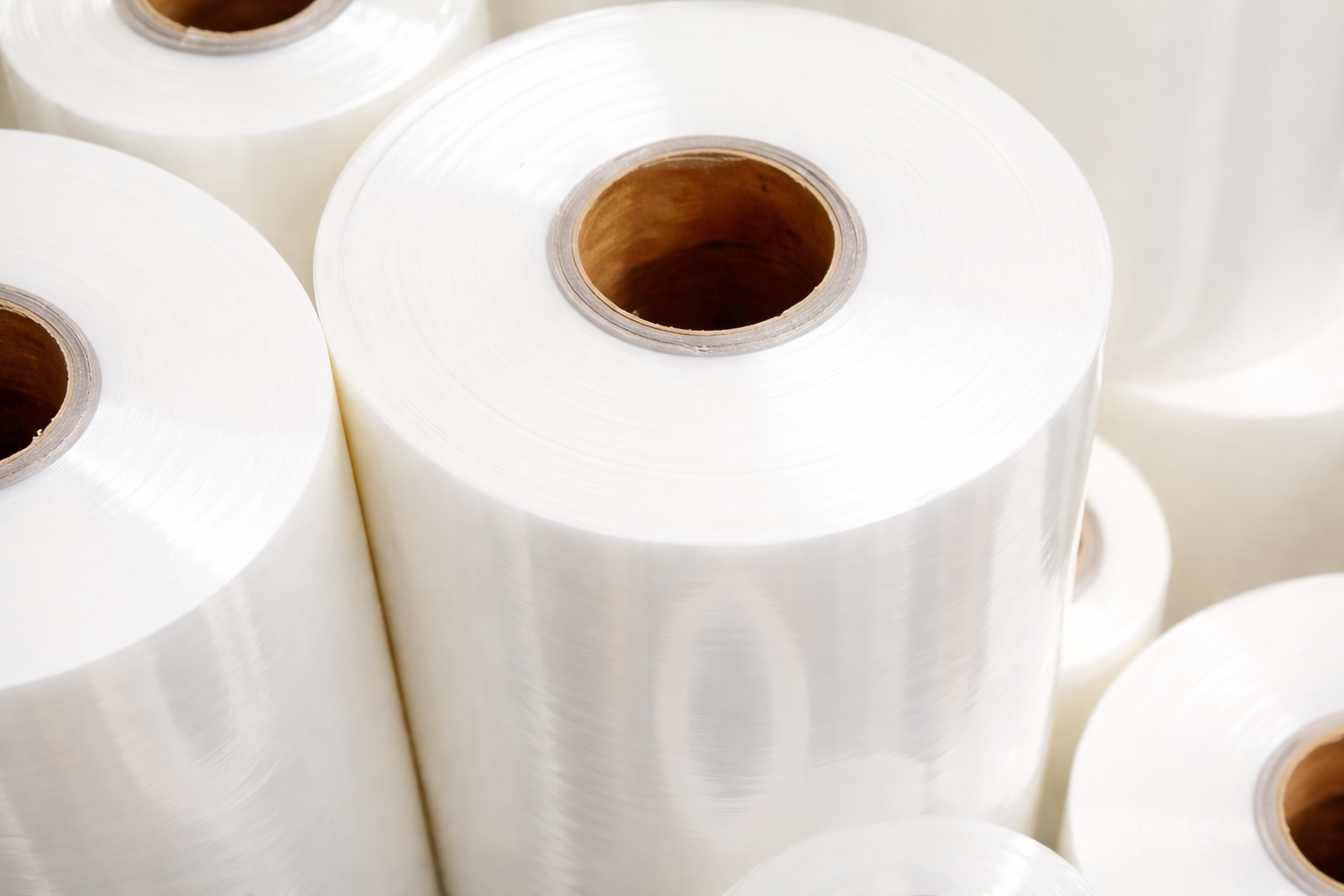
• Lamination to polyester
• Width up to 2.25 meters
• Thickness: 18–300 microns
• Colours: Natural, White Opaque (custom on request)
Applications
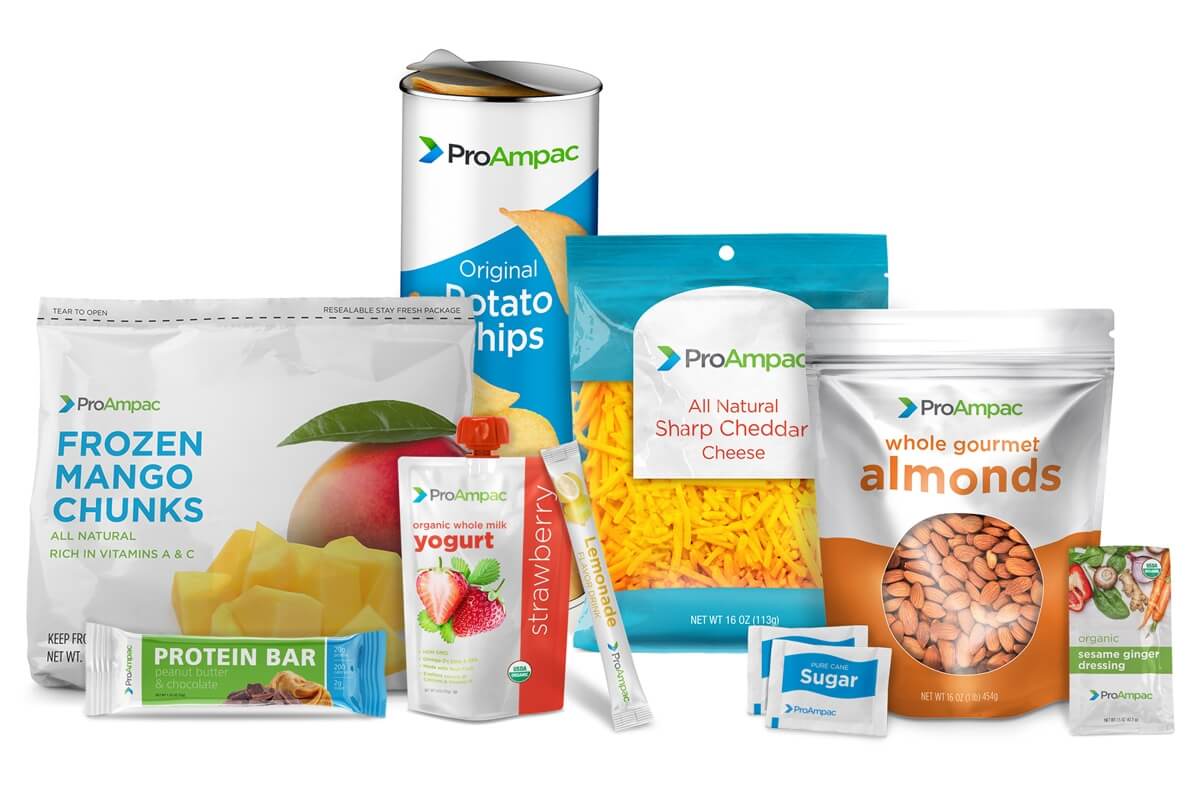
• Seeds Packaging
• Pesticide Packaging
• Dairy Packaging
• Vacuum Pouches
• Specialty Packaging Applications
Industrial Lamination Films for Packaging and Converting Operations
Manufacturers and packaging converters require reliable film materials capable of reinforcing packaging structures while maintaining production efficiency. Lamination PE Film is widely used in industrial lamination processes where strength, flexibility, and barrier performance are essential for modern packaging systems.
Produced from high-quality polyethylene, this film provides clarity, structural stability, and compatibility with multiple lamination technologies. Businesses engaged in packaging, labeling, and industrial product protection frequently use pe lamination film as an outer protective layer to improve packaging durability and product presentation.
Packaging manufacturers and converting facilities serving industries across Egypt integrate lamination films into flexible packaging systems designed for product protection during storage, distribution, and handling.
Role of Lamination Film in Multi-Layer Packaging
The lamination process involves bonding polyethylene film to substrates such as paper, cardboard, or other packaging materials. This bonding layer reinforces packaging structures and creates an additional barrier against environmental exposure.
In many packaging applications, lamination roll materials are combined with substrates including biaxially oriented polypropylene, polypropylene sheets, or specialized films to enhance mechanical strength and barrier performance. These multilayer structures improve resistance to moisture, dust, and abrasion.
Anti-static properties may also be integrated when packaging sensitive products such as electronics or medical devices, helping prevent electrostatic damage during handling or transport.
Applications Across Commercial Packaging Sectors
The versatility of Lamination PE Film allows it to be used across multiple industries where packaging durability and product protection are essential. The film is commonly incorporated into packaging solutions for food products, pharmaceutical goods, textiles, and industrial materials.
In addition to flexible packaging structures, lamination films are used in beverage packaging, container labels, protective coverings, and thermoformed packaging systems. The adaptability of polyethylene film enables businesses to design packaging that balances protection with visual presentation.
For packaging operations and converting facilities working with commercial supply chains in Egypt, lamination films support efficient production while maintaining consistent packaging quality.
Structural Properties of Polyethylene Film
The performance of polyethylene film is determined by its molecular structure and manufacturing process. PE film is known for its chemical resistance, electrical insulation capability, and resistance to oil and moisture.
Its low-density structure makes it lightweight and nearly non-absorbent, which supports efficient packaging and handling processes. These characteristics contribute to its widespread use as a protective packaging material.
Two primary forms of PE film are commonly used in packaging systems:
Through controlled extrusion processes, film thickness and mechanical properties can be adjusted to match specific application requirements.
Manufacturing Capability for Lamination Film Production
A professional pe film manufacturer plays a critical role in producing films that meet industrial performance standards. Modern lamination film production relies on advanced extrusion equipment and precise process control to ensure consistent film quality.
Manufacturers produce a variety of film types including barrier films, stretch films, and protective laminating films. These materials are used in industries such as food packaging, medical packaging, electronics manufacturing, automotive components, and industrial goods distribution.
Reliable film production ensures that each lamination roll delivers consistent thickness, moisture resistance, and abrasion protection.
Flexible Film Solutions from Tilak Polypack
Tilak Polypack manufactures Lamination PE Film using modern film processing systems designed to produce high-performance polyethylene films for commercial packaging applications. Strict quality control procedures ensure consistent film clarity, durability, and lamination performance.
The company supplies flexible packaging films to distributors, converters, and packaging manufacturers serving multiple industries. With experience producing a wide range of polyethylene film products, Tilak Polypack supports packaging operations that require dependable lamination materials.
Through its international distribution network, the company provides pe lamination film solutions to packaging partners and converters working across Egypt.
Performance Advantages of PE Lamination Rolls
Packaging manufacturers frequently select lamination roll materials because of their ability to enhance packaging protection and operational efficiency.
Key advantages include:
These characteristics make lamination PE films a practical material for businesses seeking reliable packaging performance across diverse commercial applications.