
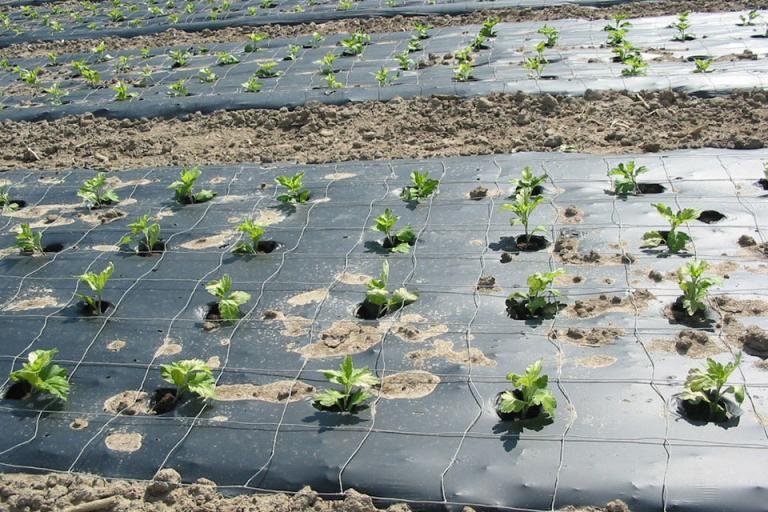
Soil Covering Materials for Efficient Crop Cultivation
Agricultural production systems frequently rely on soil covering materials to improve growing conditions and optimize field management practices. Mulch Film is widely used in commercial farming to create a controlled surface layer that helps regulate soil temperature, limit moisture loss, and support stable crop development.
This agricultural film is placed directly over cultivated soil to create a protective covering that influences plant growth conditions. Polyethylene mulch materials are commonly used in large-scale farming operations because they offer durability, flexibility, and resistance to tearing during installation and field use.
Agricultural suppliers and farming operations supporting crop cultivation in Ethiopia utilize mulch films as part of modern cultivation techniques designed to improve yield and field efficiency.
Understanding Mulching Film in Agricultural Practice
Mulching refers to the agricultural method of covering soil surfaces with protective materials to enhance crop performance. In this system, mulching film acts as a physical barrier between the soil and the surrounding environment.
The film helps maintain favorable soil conditions by controlling temperature fluctuations and reducing moisture evaporation. When installed correctly, mulch films support consistent plant development by stabilizing the growing environment throughout the crop lifecycle.
Because of these benefits, mulch films are frequently used in vegetable farming, horticulture, and commercial plantation systems.
Film Color and Performance Characteristics
Mulch films are manufactured in several colors and thickness levels depending on crop requirements and environmental conditions. Different film colors influence the amount of light reaching the soil surface and the level of heat retention beneath the film.
Clear plastic mulch films are typically selected when maximum soil warming is required for crop growth. In contrast, colored mulch films limit light transmission to the soil surface, which helps suppress weed growth while maintaining moderate soil temperatures.
This ability to control soil exposure to light and heat makes mulch film a practical agricultural input for farmers working across varying cultivation environments.
Agricultural Advantages of Mulch Film Application
The application of mulch film roll products provides several operational benefits for crop cultivation. These films support improved soil management and contribute to more efficient agricultural production practices.
- Reduced reliance on herbicides by limiting weed growth through light restriction
• Improved soil moisture retention by minimizing water evaporation
• Increased soil temperature that promotes faster crop development
• More effective fertilizer utilization within the covered soil area
• Controlled soil environment that supports consistent plant growth
By stabilizing soil conditions, mulch films help farmers maintain better crop health while reducing certain input costs.
Crop Cultivation and Vegetable Production
Mulch films are widely used in vegetable cultivation systems because they support both early crop development and improved harvest consistency. Crops such as tomatoes, peppers, eggplants, and similar vegetable varieties often benefit from mulching techniques.
The controlled soil conditions created by the film encourage earlier plant growth cycles, which can result in earlier harvest periods. At the same time, the film helps maintain soil warmth and moisture, supporting higher productivity across cultivated fields.
These advantages make mulch films a practical tool for improving vegetable farming productivity in Ethiopia’s expanding agricultural sector.
Manufacturing and Global Supply Capabilities
Tilak Polypack manufactures Mulch Film using advanced polyethylene film production systems designed for agricultural applications. Our production facilities ensure consistent film strength, flexibility, and durability suitable for outdoor agricultural use.
The company supplies agricultural film solutions across major African markets including South Africa, Nigeria, Tanzania, Kenya, Sudan, Uganda, Algeria, Ethiopia, Egypt, DR Congo, Angola, Morocco, and Ghana. This regional supply network supports farming cooperatives, distributors, and agricultural suppliers requiring dependable film availability.
Through this distribution system, agricultural buyers and farm suppliers in Ethiopia can access dependable mulch film solutions designed to support efficient crop cultivation and field management.
SPECIFICATIONS OF MULCH FILM
| Thickness | Life | Width Available | Colours Available |
|---|---|---|---|
| 15 Micron-20 Micron | Single Season Crop | 600 MM to 1800 MM | Transparent, Black, White, Silver + Black, Red or as per customers requirement |
| 20 Micron-30 Micron | 2 or 3 Season Crops | 600 MM to 1800 MM | Transparent, Black, White, Silver + Black, Red or as per customers requirement |
| 50 Micron Onwards | Orchads for longer life | 600 MM to 1800 MM | Transparent, Black, White, Silver + Black, Red or as per customers requirement |