
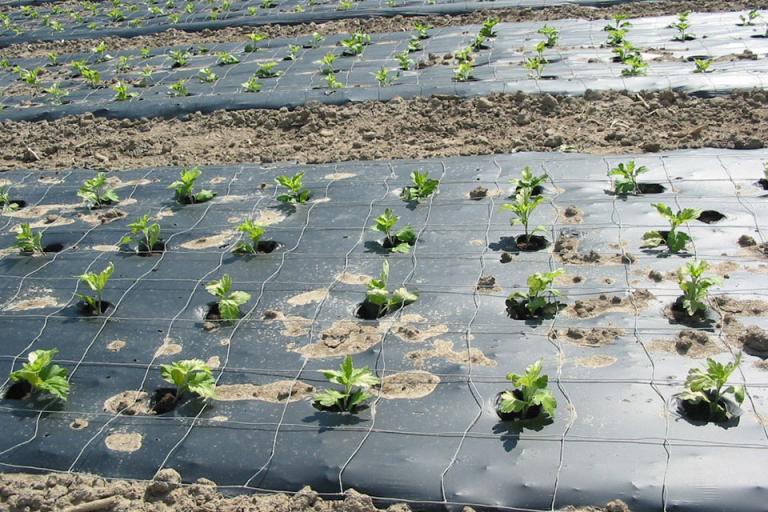
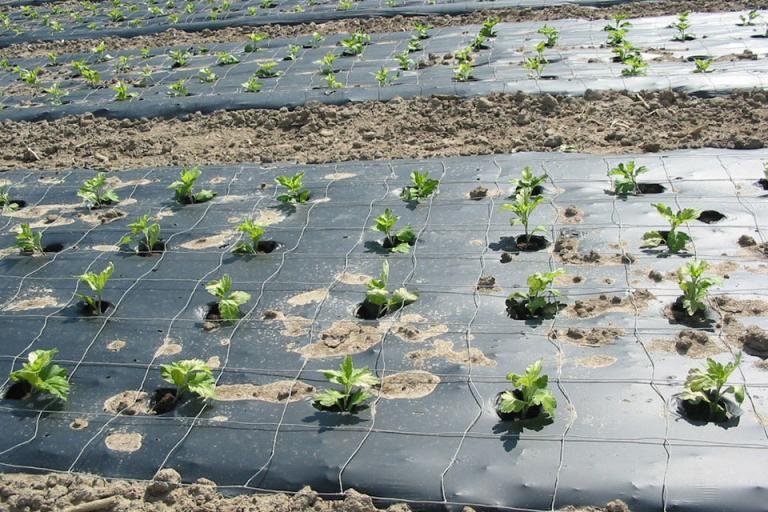
Less investment on weedicides: Weeds required light to grow. A coloured mulch film will not allow light to reach the soil hence reducing the number of weeds. This will benefit the farmer by reduction in use of weedicides.
Crop Protection Materials for Modern Farming Operations
Reliable crop protection materials are essential for maintaining stable agricultural output and improving soil management practices. Agricultural Films are widely used across commercial farming systems as a protective layer that shields crops from environmental exposure while supporting more controlled growing conditions.
Manufactured using durable polyethylene, these films are designed to withstand outdoor agricultural environments while providing flexibility, puncture resistance, and long-term field performance. Farmers and agricultural suppliers operating in Ethiopia increasingly rely on modern film technologies to manage soil moisture, temperature balance, and crop protection throughout the growing cycle.
Tilak Polypack produces polyethylene agricultural films engineered to support large-scale farming operations and agricultural supply chains.
Soil Management and Crop Growth Efficiency
One of the most widely used forms of agricultural mulch film is soil covering for crop rows. When applied over cultivated soil, the plastic film forms a barrier that helps regulate soil temperature and limit moisture evaporation.
This method allows farmers to maintain stable soil conditions that encourage consistent plant growth. By reducing weed competition and minimizing water loss, mulch films contribute to more efficient field management and improved crop yields.
The use of mulch film also helps reduce the need for repeated herbicide application, supporting more controlled agricultural practices while lowering production costs.
Protective Applications Across Farming Systems
Agricultural plastic films serve several functions across commercial agriculture. Depending on the specific crop or farming method, different film structures are used to achieve the required protective or environmental benefits.
Common agricultural uses include:
- Mulch film for crop rows and soil protection
- Greenhouse covers for controlled growing environments
- Silage film used for livestock feed preservation
- Fumigation film for soil treatment processes
Each type of agri film provides specific functional benefits that improve agricultural productivity and crop protection in different farming environments.
Film Variations for Different Growing Conditions
Agricultural films are produced in multiple configurations to meet the varying needs of farmers and agricultural distributors. These films may be manufactured in different colors, thickness levels, and roll widths to support diverse crop types and cultivation practices.
Recent advancements in agricultural film production have enabled the creation of thinner films that maintain structural strength while reducing material consumption per acre. These improvements help farmers achieve efficient crop protection while maintaining cost-effective agricultural operations.
Such film options allow agricultural buyers in Ethiopia to select film types that match specific crop requirements and field conditions.
Role in Sustainable Agricultural Practices
Modern agricultural film solutions contribute to sustainable farming practices by supporting water conservation and reducing chemical dependency in crop production. Mulch films help limit soil moisture loss through evaporation, which improves irrigation efficiency and reduces overall water consumption.
In addition, agricultural plastic films are increasingly designed to support recycling initiatives and environmentally responsible agricultural systems. These developments help agricultural producers balance productivity with long-term environmental management.
By improving crop protection and resource efficiency, agricultural films play a practical role in advancing sustainable agricultural operations.
Manufacturing Expertise and Agricultural Film Supply
Tilak Polypack operates as one of the established agricultural film manufacturers, producing polyethylene films designed to meet the technical requirements of modern farming systems. Our production facilities utilize advanced film extrusion technologies to ensure durability, flexibility, and consistent performance.
The company supplies agricultural packaging and crop protection films across major African markets including South Africa, Nigeria, Tanzania, Kenya, Sudan, Uganda, Algeria, Ethiopia, Egypt, DR Congo, Angola, Morocco, and Ghana. This regional supply network supports distributors, farming cooperatives, and agricultural suppliers requiring reliable film availability.
Through this export capability, agricultural suppliers and farming businesses in Ethiopia can access dependable Agricultural Films that support efficient crop protection, soil management, and modern agricultural production systems.