
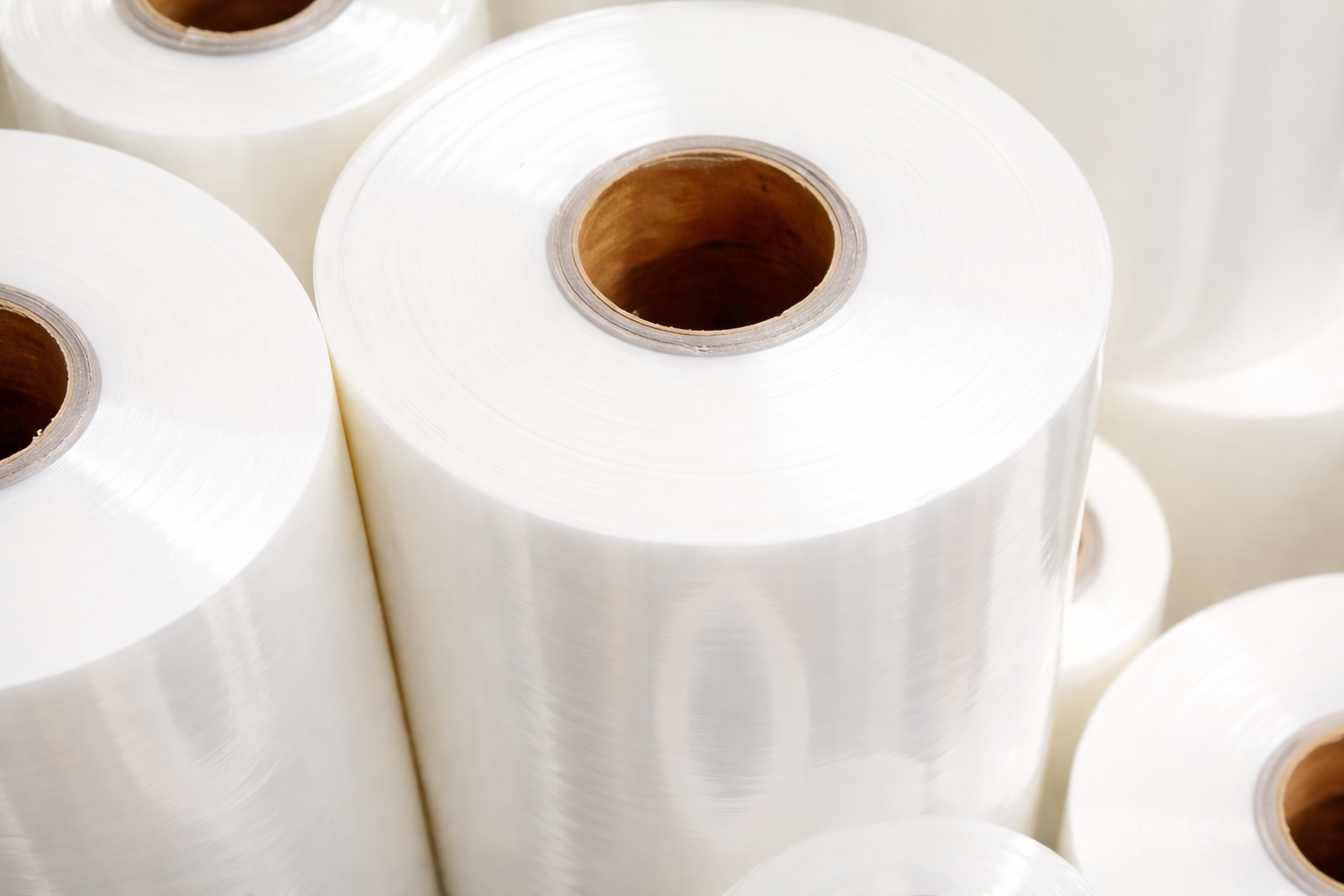
Film Bonding Materials for Multilayer Packaging Production
Flexible packaging converters require reliable bonding layers to create durable multilayer packaging structures. Adhesive Lamination Film functions as a critical material within industrial lamination systems where multiple packaging substrates must be securely combined into a single composite structure.
In manufacturing environments handling high-volume packaging production, adhesive lamination materials improve structural integrity and overall packaging durability. Packaging manufacturers operating across industrial sectors in Ethiopia rely on dependable lamination materials that maintain performance during processing, transportation, and storage.
Tilak Polypack produces industrial-grade adhesive lamination films engineered for consistent bonding performance and stable multilayer packaging construction.
Lamination Integration in Flexible Packaging Manufacturing
Flexible packaging frequently combines several film layers to achieve specific protective and mechanical properties. Through adhesive lamination, packaging films such as polyethylene or other specialty materials are bonded together to produce stronger packaging structures.
The lamination process creates a unified film structure that improves resistance to moisture, handling stress, and environmental exposure. By strengthening the packaging material, laminated film systems help manufacturers maintain product protection throughout distribution channels.
This bonding technique is widely used in flexible packaging systems designed for industrial production lines and automated packaging equipment.
Functional Properties Supporting Industrial Processing
Adhesive lamination film must perform consistently under demanding production conditions. Modern manufacturing systems use precision extrusion and coating technology to ensure reliable bonding performance across large film rolls.
The film structure supports several key packaging functions, including improved barrier protection, stable sealing characteristics, and enhanced surface clarity for printed packaging layers. A smooth and uniform film surface also allows packaging converters to maintain efficient production speeds.
For packaging operations supplying Ethiopian distribution networks, these characteristics help ensure that laminated packaging maintains durability throughout the supply chain.
Self-Adhesive Laminating Formats and Handling Options
Certain packaging and document protection applications require lamination solutions that can be applied without complex equipment. In these situations, self adhesive laminating roll formats provide practical lamination capabilities for industrial or commercial use.
These materials are supplied as pre-coated lamination films that bond directly to the substrate during application. Self adhesive laminating sheets can also be used in smaller-scale lamination tasks where protective film coverage or surface reinforcement is required.
Because adhesive laminating systems offer flexibility in both roll and sheet formats, they can support a wide range of packaging and protective lamination requirements.
Industrial Packaging Applications
Adhesive lamination films are widely used in packaging sectors that require multilayer structures capable of protecting products during handling and distribution.
Common industrial applications include:
- Multilayer flexible packaging films
- Industrial protective lamination systems
- Reinforced packaging structures
- Laminated packaging used in high-strength film production
In packaging supply chains supporting manufacturing growth in Ethiopia, these films help converters produce packaging structures that meet commercial durability requirements.
Technical Specifications
Adhesive lamination films are manufactured to precise technical specifications to ensure compatibility with industrial lamination systems.
- Available in widths up to 2.25 meters
- Thickness Range: 18–300 microns
- Colours: Natural and White Opaque (custom options available)
- Designed for industrial adhesive laminating processes
These specifications allow packaging manufacturers to select lamination films suitable for different packaging configurations and mechanical performance requirements.
Manufacturing Capacity and Export Supply
Tilak Polypack manufactures adhesive lamination films using modern extrusion and lamination equipment supported by strict quality control procedures. Production facilities are designed to maintain consistent film thickness, stable adhesive bonding, and reliable surface characteristics.
Our company supplies packaging films to converters, distributors, and industrial buyers operating in flexible packaging sectors. Through regional export operations, packaging manufacturers in Ethiopia can access dependable adhesive lamination materials supported by large-scale production capacity.
Tilak Polypack supplies packaging materials across major African markets including South Africa, Nigeria, Tanzania, Kenya, Sudan, Uganda, Algeria, Ethiopia, Egypt, DR Congo, Angola, Morocco, and Ghana, ensuring consistent supply for commercial packaging operations.
Please contact us on +91-9227422544 or email us info@tilakpolypack.com for quotations or other details.
FAQs
1. What is Adhesive Lamination Film?
Adhesive Lamination Film refers to a multilayered material created by bonding two or more layers of substrates using specialized adhesives. This film ensures increased strength, durability, and functionality. It is widely utilized in a range of industries for applications requiring enhanced performance of packaging and protective layers. The lamination process is typically carried out using advanced equipment to ensure precision and consistency.
2. What are the applications of Adhesive Lamination Film?
Adhesive Lamination Films are designed to serve a variety of applications, including but not limited to:
- Packaging for Consumer Goods: Used for flexible packaging, particularly in food products, pharmaceuticals, and cosmetics.
- Industrial Applications: Provides protective coatings for machinery parts and metal sheets.
- Automotive Industry: Utilized in creating robust and durable protective films for automotive interiors and components.
- Graphic and Print Industry: Applied as laminates for signage, posters, and banners, ensuring longevity and aesthetic quality.
3. What are the benefits of using Adhesive Lamination Film?
The key benefits of Adhesive Lamination Film include:
- Enhanced Durability: Offers improved tear, moisture, and chemical resistance.
- Superior Clarity and Appearance: Protects printed materials without compromising their visual appeal.
- Functional Versatility: Compatible with various substrates like paper, foil, and plastics, making it adaptable for different industries.
- Cost-Effectiveness: Reduces material wastage by improving the lifespan of packaging and products.
- Customizable Properties: Films can be tailored to meet specific requirements such as temperature resistance, barrier properties, or structural strength.
4. What types of adhesives are used in Adhesive Lamination Films?
Adhesive Lamination Films incorporate several types of adhesives depending on the application requirements, including:
- Solvent-Based Adhesives: Known for their strong bonding properties and durability, ideal for heavy-duty applications.
- Water-Based Adhesives: Eco-friendly and suited for applications where environmental standards are prioritized.
- UV-Curable Adhesives: Used for quick bonding processes, ensuring faster production turnaround.
- Hot Melt Adhesives: Provide excellent adhesion for substrates requiring precise durability without solvents.
5. Is Adhesive Lamination Film food-safe?
Yes, Adhesive Lamination Films designed for food packaging are manufactured in compliance with international food safety standards, such as FDA and EU regulations. These films undergo rigorous quality assurance procedures to ensure they are free from harmful substances and are suitable for direct or indirect contact with consumable products. Additionally, approved adhesives and substrates are used to ensure compliance with hygiene and safety protocols.