
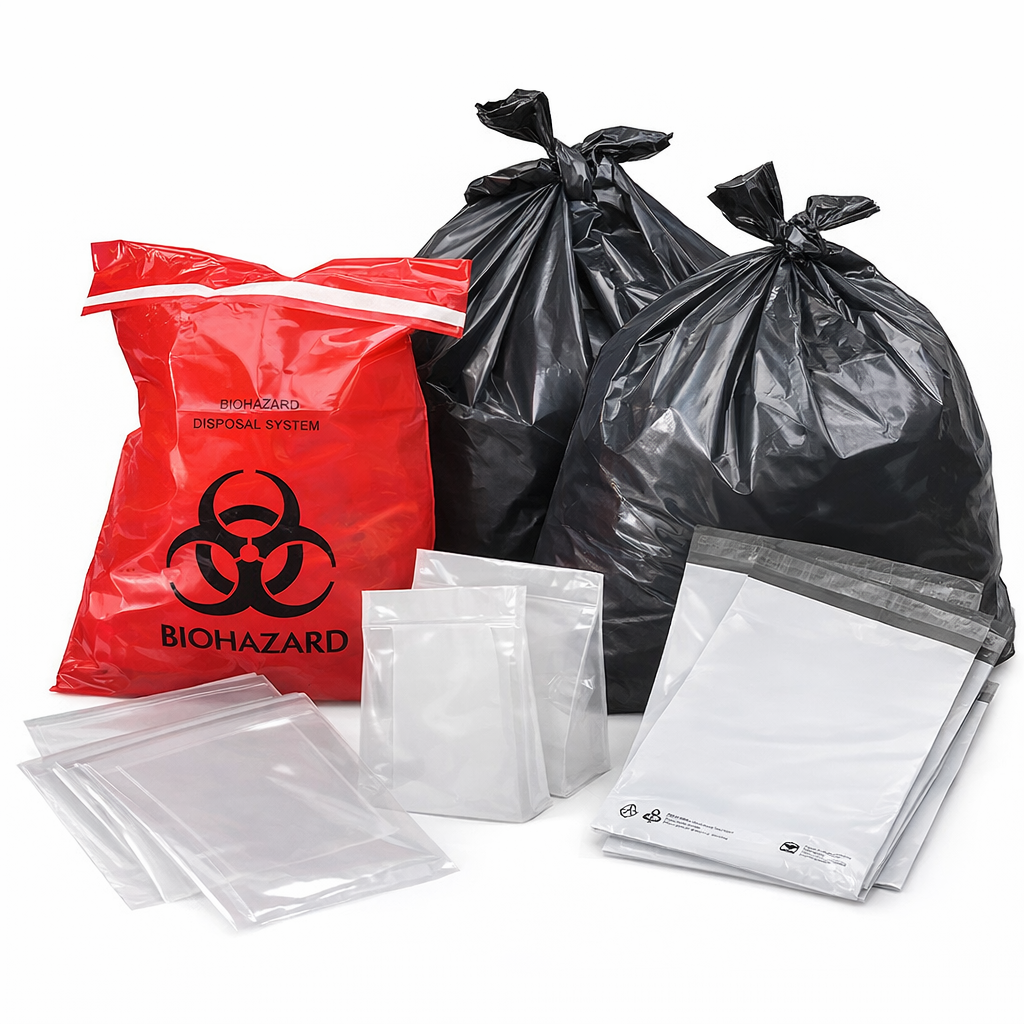
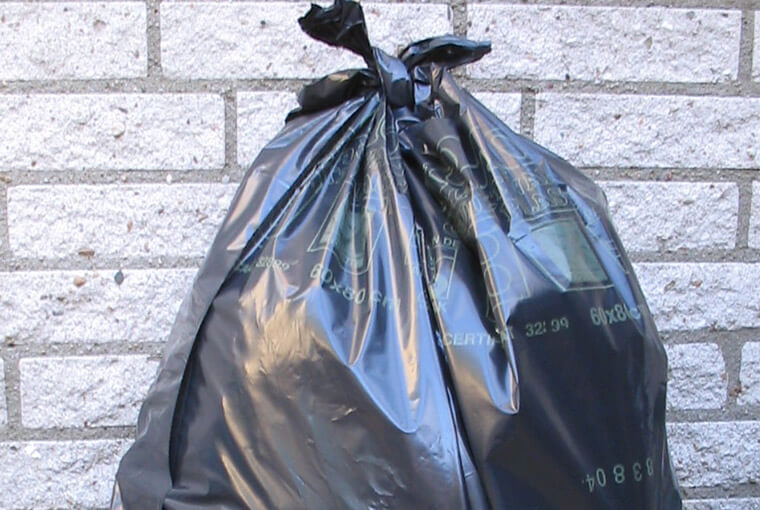
- Black Refuse Sacks- Large.
- QExtreme strength.
- Strong, durable and very tough.
- Stretch without breakage.
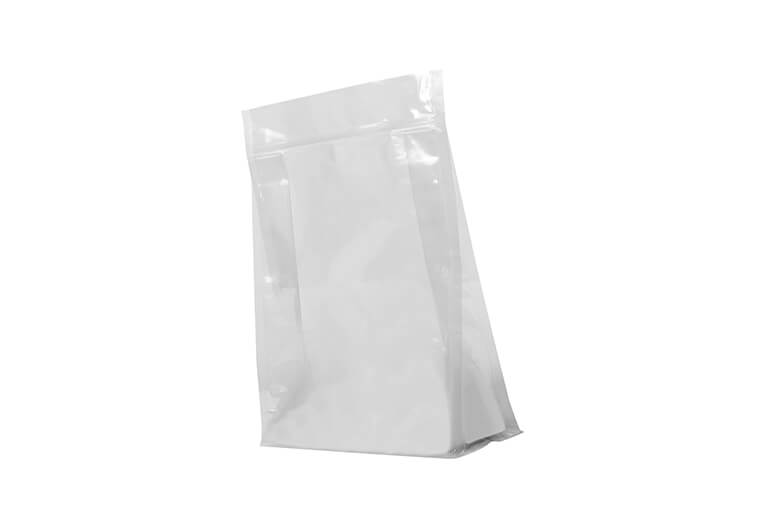
Clear Polythene Packing Bags are one of the most popular and economical forms of retail and industrial packaging. Transparent plastic bags not only allow the contents to be visible to the customer, they provide hygienic protection against dirt, dust and moisture.
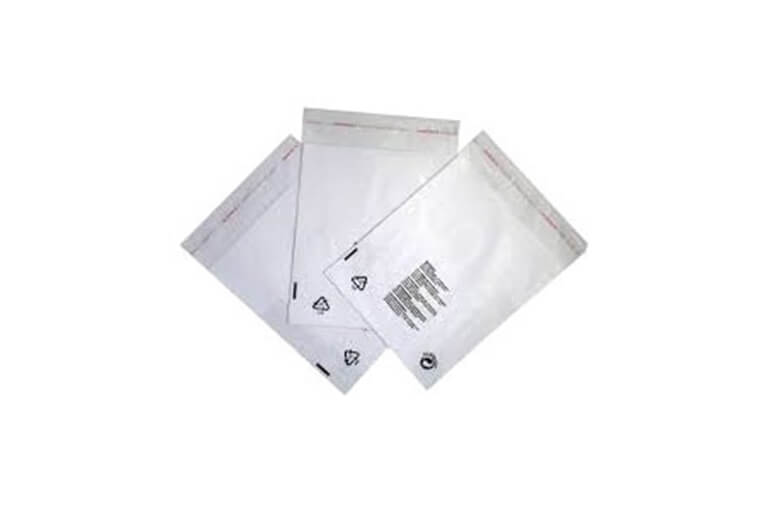
Tilak Polypack sell a wide range of clear polythene clothing packing bags, to present garments at their best. Our clothing display bags are self-sealing and are suitable for a wide range of uses, including display purposes for the clothing and retail industries, and they are also popular with dry-cleaners.
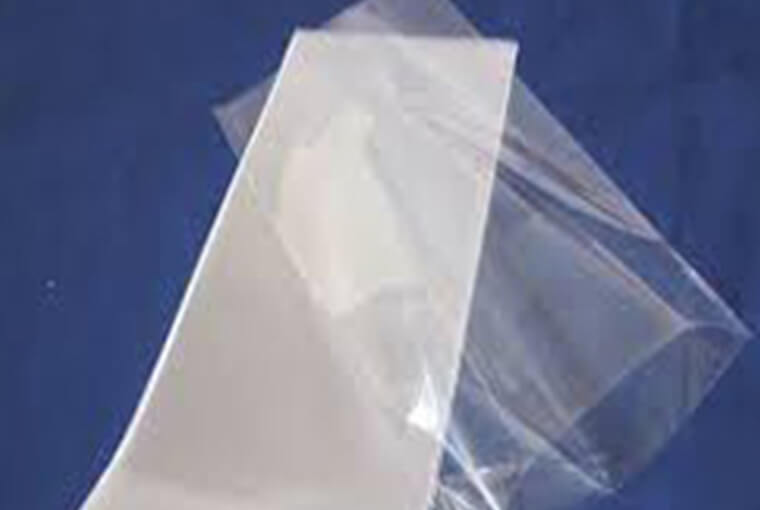
A range of sparkling crystal-clear polypropylene bags to showcase your products. Your retail products deserve to be presented in packaging that is beautiful, stylish and functional – so whether you need a protective barrier to prevent items spoiling or air-tight bags that keep perishables fresh, this range offers a host of eye-catching solutions.
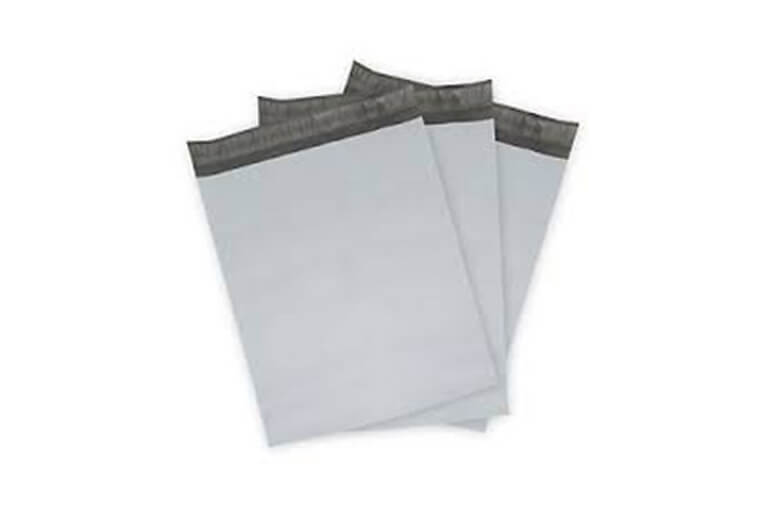
Show off your professionalism and personality by custom-printing your own unique mailer. These bags a more economical option when it comes to shipping, eliminating the high prices of shipping of bulky boxes.
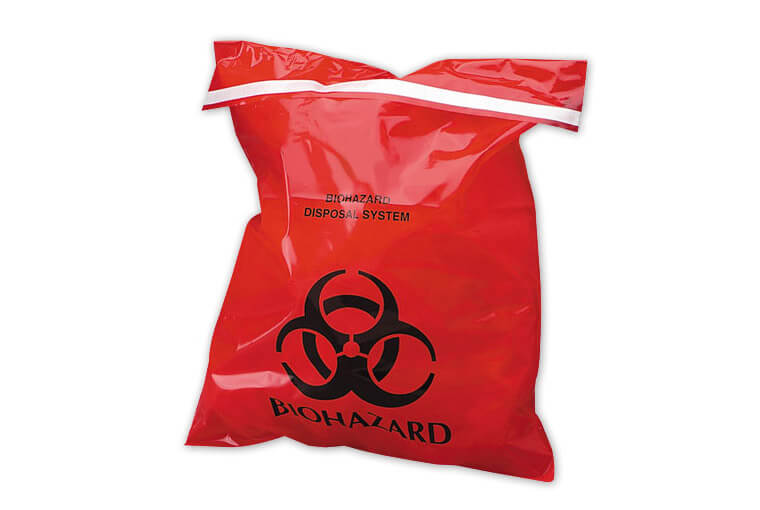
- Infectious waste bags, biohazard specimen bags & chemotherapy drug transport bags.
- Quality bags for everyday use in the medical & healthcare industry.
- Numerous stock sizes available.
LDPE Polythene Bags in Kenya: Flexible Packaging That Supports Growing Industrial Demand
Manufacturers, food processors, pharmaceutical suppliers, and retail distributors require packaging materials that balance flexibility, clarity, and durable performance. In Kenya, where distribution networks serve both urban retail channels and regional export routes, packaging must withstand handling to protect contents while maintaining product visibility. LDPE bags are ideal for businesses that require lightweight, heat-sealable, and moisture-resistant containment.
As experienced ldpe bags manufacturers, we produce low density polyethylene solutions designed to perform consistently across diverse industrial applications.
Summary LDPE polythene bags provide flexible, clear, and moisture-resistant packaging suited to Kenya’s diverse industrial, food, pharmaceutical, retail, and electronics needs. Compared to HDPE, LDPE offers greater softness and clarity for lightweight and display-oriented uses, while HDPE suits heavier loads. Controlled manufacturing and rigorous quality assurance ensure consistent, food- and pharma-ready performance, with recyclable options supporting responsible practices. Backed by global supply experience, Tilak Polypack delivers reliable, standards-compliant LDPE solutions for Kenyan businesses.
Material Characteristics and Functional Performance
Low density polyethylene is known for its flexibility, softness, and transparency. These structural characteristics allow LDPE polythene bags to stretch without tearing while providing excellent clarity for content identification and product display.
The branching molecular structure of LDPE creates wider spacing within the polymer, resulting in greater elasticity and lower density compared to HDPE. Because of these traits, ldpe plastic bags manufacturers are a preferred partner for industries requiring adaptable packaging for lightweight goods.
LDPE bags are heat sealable and suitable for protecting food products, medical components, electronics, and retail merchandise. However, due to lower temperature resistance, they are not recommended for freezer or microwave use and should not be used for hydrocarbons or high-heat applications.
Applications Across Key Sectors
From industrial packing to cleanroom environments, ldpe pouch manufacturers support a wide spectrum of sectors. These bags are widely used in:
- Food packaging and handling
- Pharmaceutical and life sciences packaging
- Clear polythene packing bags for retail display packaging
- Industrial and electronic component protection
- Biohazard bags and contamination-sensitive materials
In Kenya’s expanding processing and retail landscape, LDPE bags provide secure internal containment while maintaining professional presentation standards.
Comparison: LDPE vs HDPE
Understanding the distinction between LDPE and HDPE is essential when selecting the correct packaging material.
LDPE offers higher flexibility, softer texture, and superior clarity, making it suitable for lightweight applications and display packaging. HDPE, by contrast, has a denser and more compact structure, providing greater puncture resistance and strength for heavier loads.
The polymerization process determines these characteristics, with LDPE’s branched structure creating stretchability and lower density. For businesses prioritizing transparency and flexibility, LDPE remains the preferred option.
Controlled Manufacturing and Quality Assurance
As established ldpe plastic bags manufacturers, we follow controlled extrusion and sealing processes to ensure uniform thickness, strength, and sealing integrity. High-grade polyethylene resin is melted, extruded into film, and precisely cut and heat-sealed to meet specific dimensional requirements.
Quality control measures are implemented throughout production to maintain cleanliness and product consistency particularly critical for pharmaceutical, food-grade, and cleanroom applications.
Our recyclable options and environmentally conscious manufacturing practices align with responsible packaging initiatives increasingly valued in Kenya’s commercial sector.
Supply Capability and Industry Experience
Tilak Polypack operates as a global supplier of polyethylene packaging solutions, serving international markets including the US, Singapore, Australia, Germany, Canada, New Zealand, the United Kingdom, Ireland, Scotland, and Norway. This global exposure ensures adherence to international quality standards and consistent product performance.
For businesses across the country seeking reliable ldpe polythene bags in kenya that combine flexibility, durability, and professional presentation, our solutions deliver practical performance backed by manufacturing expertise. For related waste-management requirements, PE liners and garbage bags provide additional polyethylene packaging solutions for commercial and industrial applications.