
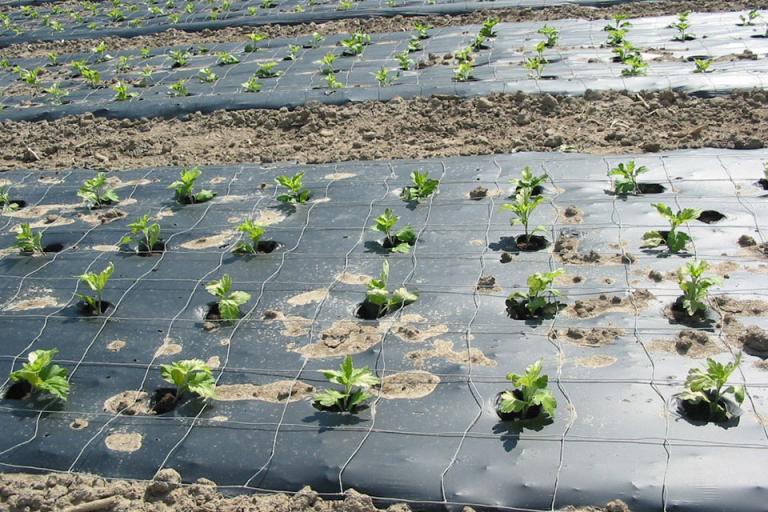
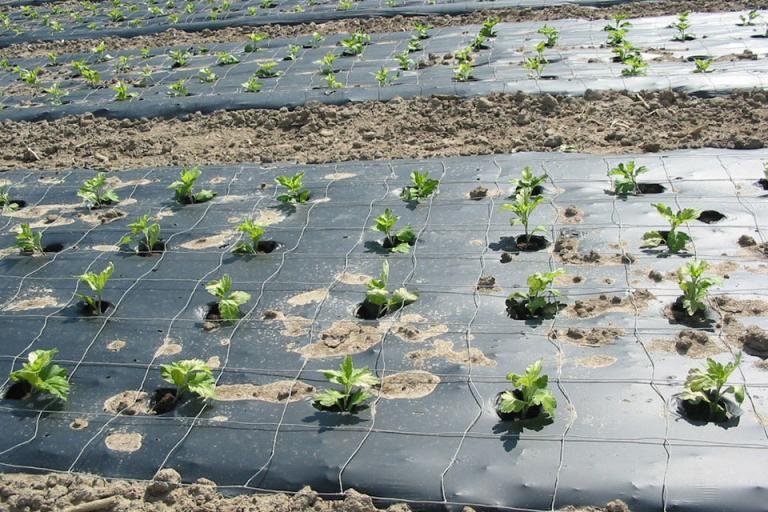
Less investment on weedicides: Weeds required light to grow. A coloured mulch film will not allow light to reach the soil hence reducing the number of weeds. This will benefit the farmer by reduction in use of weedicides.
Supporting Yield Optimization in Commercial Farming Operations
Large-scale horticulture, greenhouse cultivation, and export-oriented farming require consistent input control to maintain productivity. In Kenya, where growers manage varied climatic zones and intensive cropping cycles, protective ground and crop covering solutions directly influence output quality. Agricultural Films manufactured from high-grade polyethylene provide structured crop protection while improving operational efficiency.
These films are engineered to deliver durability, flexibility, and resistance to tearing or punctures. Their construction ensures dependable performance under field exposure, mechanical stress, and seasonal variations. For producers focused on cost control, agricultural film solutions also offer economical value without sacrificing performance standards.
Soil Management and Crop Performance Enhancement
One of the most widely adopted applications is agricultural mulch. By covering the soil surface with plastic film, farmers create a controlled micro-environment that supports root development and plant growth. Agricultural mulch reduces weed emergence, conserves soil moisture by limiting evaporation, and stabilizes soil temperature.
Reduced water evaporation contributes to lower irrigation demand, which is essential in areas facing seasonal rainfall variability. Mulch films can also reduce material usage per acre due to optimized film thickness and strength, supporting both cost efficiency and sustainability targets.
By selecting the correct agricultural film type, growers improve crop quality, increase yield potential, and achieve more predictable harvest cycles.
Application-Specific Film Categories
Different agricultural operations require targeted film solutions. Each product category addresses specific agronomic needs:
- Mulch Films: Designed for weed suppression, moisture conservation, and soil temperature regulation.
- Greenhouse Covers: Create controlled environments, protecting crops from weather fluctuations, pests, and insects.
- Silage Film: Essential for protecting stored fodder from air and environmental exposure, ensuring proper fermentation and nutrient retention.
- Fumigation Films: Used during soil treatment processes to enhance fumigant effectiveness and reduce chemical escape.
- Low Tunnel Films: Provide frost, wind, and insect protection while accelerating crop development for earlier harvesting.
When evaluating agricultural film applications, selecting the appropriate product depends on the crop type, environmental conditions, and operational objectives.
Material Performance and Sustainability Considerations
Agricultural films are available in various colors, thicknesses, and widths to match specific field conditions. Recent advancements have introduced thinner films that maintain structural strength while reducing overall material consumption.
The polyethylene structure provides flexibility and mechanical durability suitable for extended field use. In addition to performance benefits, these films support sustainable farming practices by contributing to water conservation and enabling recycling initiatives where applicable.
For growers in Kenya seeking to balance productivity and responsible material usage, agri film solutions offer a measurable advantage.
Manufacturing Standards and Product Development
As one of the recognized agricultural film manufacturers, Tilak Polypack produces a comprehensive portfolio of agricultural plastic mulch films and low tunnel films designed for commercial farming operations. Production processes incorporate strict quality controls to ensure consistent film thickness, tensile strength, and durability.
Continuous product development enables adaptation to evolving agronomic requirements. Our engineering team collaborates with clients to determine optimal film specifications based on crop cycles and environmental exposure.
Through established export networks serving the US, Singapore, Australia, Germany, Canada, New Zealand, the United Kingdom, Ireland, Scotland, and Norway, we maintain reliable supply chains for international markets. For agricultural enterprises in Kenya, our agricultural film range supports improved crop protection, resource efficiency, and long-term operational performance.