
Specifications
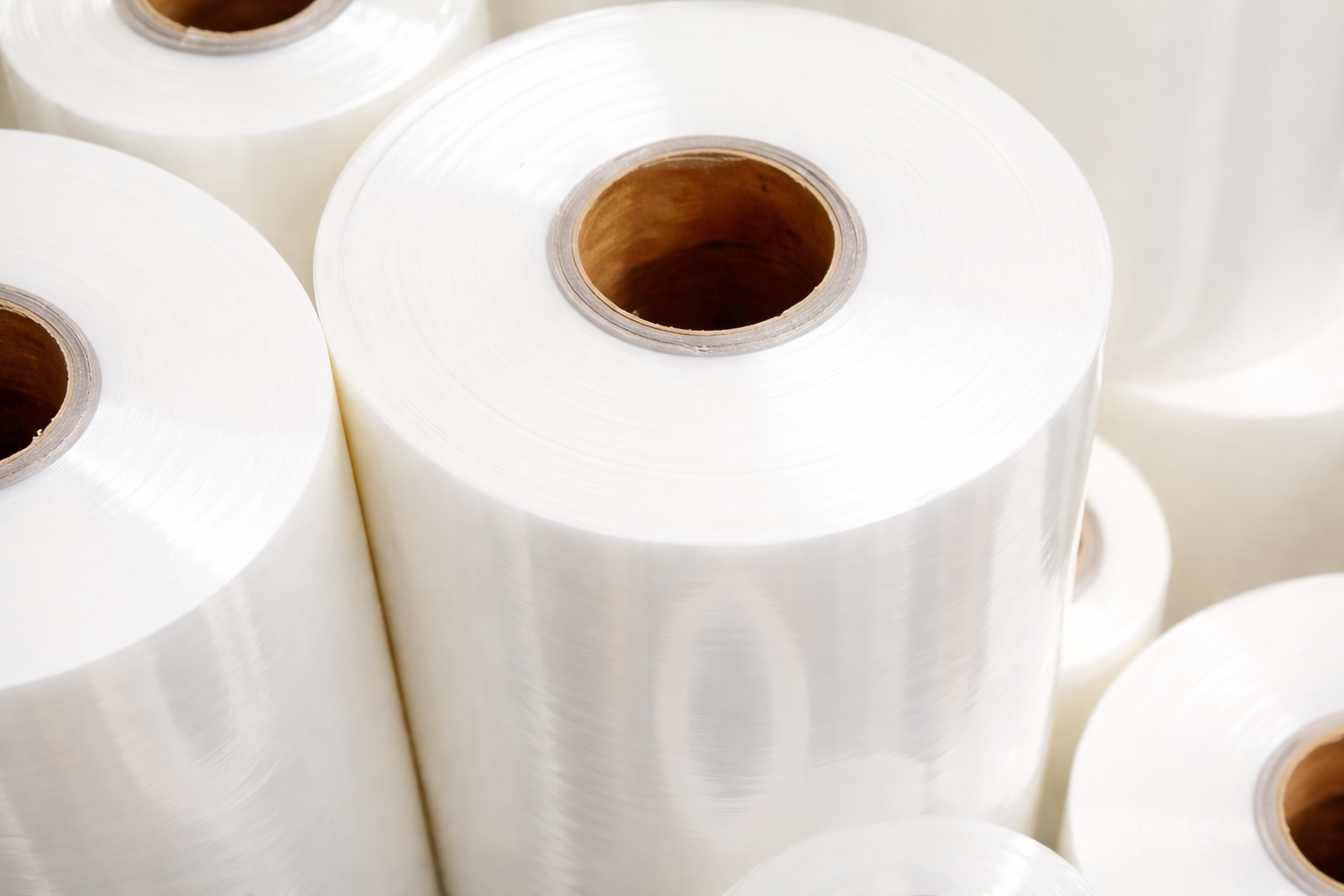
• Lamination to polyester
• Width up to 2.25 meters
• Thickness: 18–300 microns
• Colours: Natural, White Opaque (custom on request)
Applications
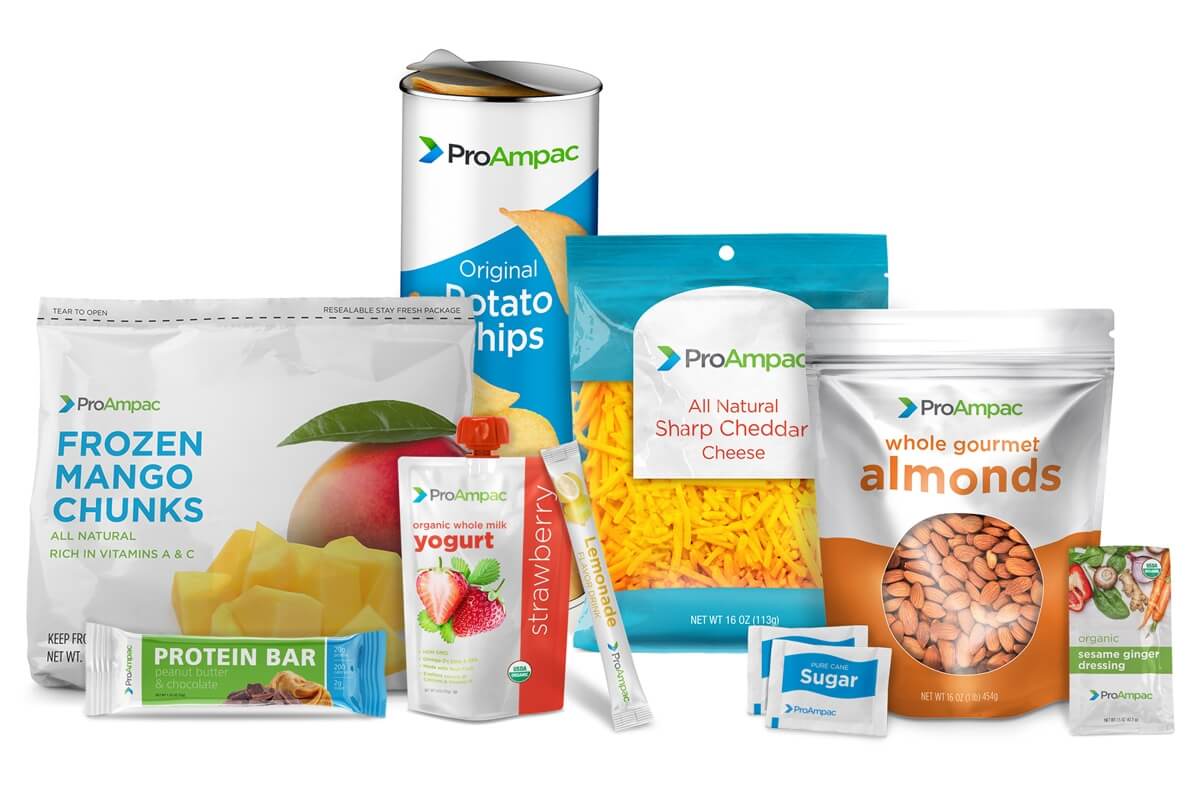
• Seeds Packaging
• Pesticide Packaging
• Dairy Packaging
• Vacuum Pouches
• Specialty Packaging Applications
Lamination Roll in Tanzania
Performance-Driven Flexible Packaging for Expanding Trade & Manufacturing Networks
Industrial packaging in Tanzania must support a mix of local production, port-based imports, inland distribution, and regional trade corridors. From Dar es Salaam’s processing facilities to upcountry agro-processing units and pharmaceutical distributors, packaging materials are expected to deliver durability, moisture resistance, and consistent lamination performance under varying climatic conditions. Lamination rolls can be purchased in Tanzania through specialized distribution channels, and trusted partners can supply lamination roll in tanzania for regional fulfillment. For procurement teams seeking pe packaging film, reputable distributors can provide specifications and samples aligned with converter requirements.
In such an environment, Lamination PE Film supports the two main market application types: Thermal (Hot) Roll Film and Cold Lamination Film. It functions not simply as a plastic layer, but as a structural reinforcement system that enhances product protection, visual presentation, and storage reliability, with rolls available in different sizes, widths, and micron options in Tanzania. For converters and packaging manufacturers working with paper, board, woven materials, and flexible substrates, lamination quality directly affects finished pack integrity.
As an export-oriented pe film manufacturer supplying to Tanzania from India, we produce polyethylene-based lamination solutions engineered for commercial scale applications, ensuring compatibility with industrial lamination equipment and demanding handling conditions.
Functional Role of Lamination in Commercial Packaging
Lamination integrates polyethylene film with other substrates to create multi-layer packaging structures. The bonding process enhances surface durability while adding moisture resistance and abrasion protection. In practical terms, laminated materials resist environmental exposure during storage, transport, and shelf display.
For manufacturers dealing with paperboard cartons, woven bags, or flexible pouches, the addition of pe lamination film transforms lightweight substrates into durable barrier materials. This is especially valuable in climates where humidity levels fluctuate seasonally.
The lamination process can involve combining polyethylene film with biaxially oriented polypropylene (BOPP), polypropylene sheets, or other specialty materials. Through this integration, packaging converters can tailor mechanical strength, barrier performance, and thermal resistance according to product requirements.
Anti-static properties are available where electronic components or sensitive medical products require protection from static discharge.
Structural Properties of Polyethylene Film
The effectiveness of lamination PE film originates from the inherent properties of polyethylene. Composed of repeated methylene units, the polymer structure provides flexibility, chemical resistance, and low moisture absorption.
Polyethylene film is available primarily in two forms:
Low Density Polyethylene (LDPE)**LDPE offers softness, clarity, and flexibility. It is suitable for applications requiring transparency and adaptable film movement during processing.
High Density Polyethylene (HDPE)HDPE provides increased strength and higher heat resistance, supporting more demanding industrial packaging tasks.
The production process allows thickness calibration and mechanical property adjustments to match specific lamination requirements. This customization capability ensures the right balance between tensile strength and flexibility.
The material’s oil resistance, waterproof characteristics, and electrical insulation properties further expand its application scope.
Climate & Storage Considerations in East African Conditions
Humidity, temperature variations, and extended inland transport can influence packaging performance. Laminated materials must resist moisture ingress during warehouse storage and transit.
Polyethylene-based lamination films provide reliable barrier protection against water vapor and external contaminants. When stored in shaded, dry conditions prior to processing, the film maintains stable lamination properties.
Converters working near coastal areas benefit from moisture-resistant performance, while inland processors handling agricultural or industrial goods rely on consistent adhesion and durability.
Applications Across Processing & Industrial Sectors
The use of lamination roll solutions spans diverse industries:
Food Processing Lamination enhances packaging durability, protects against contamination, and supports extended shelf life for dry and semi-perishable products.
Pharmaceutical & Medical Packaging Barrier films protect sensitive products from moisture and environmental exposure.
Textile & Industrial Products Laminated materials improve abrasion resistance and protect goods during transport.
Beverage Labels & Containers Film lamination contributes to enhanced print clarity and durability.
Thermoformed Packaging Polyethylene lamination supports formability while maintaining structural integrity.
The adaptability of lamination PE film enables packaging manufacturers to create custom polyethylene film products tailored to commercial needs, including pe packaging film options for flexible formats.
Manufacturing Capability & Technical Expertise
A reliable lamination film supplier must maintain precise extrusion and lamination control systems. Advanced equipment ensures consistent film thickness, smooth surface finish, and reliable bonding characteristics.
Our manufacturing infrastructure supports:
- Production of barrier films
- Stretch film variations
- Protective lamination films
- Custom thickness configurations
Each lamination roll undergoes quality checks to verify moisture resistance, abrasion durability, and heat performance.
By integrating advanced extrusion technologies with controlled lamination processes, we ensure uniform performance across production batches.
Export Supply Chain: India to Tanzania
India and Tanzania maintain active trade relations in packaging materials and industrial supplies. Our export operations include containerized shipments prepared for marine transit and inland distribution.
Rolls are palletized and moisture-protected prior to dispatch. This preparation ensures material stability during shipment and minimizes handling damage.
Bulk supply capacity supports large-scale packaging converters, while customized production runs accommodate specific substrate requirements.
Operational Benefits for Packaging Converters
The use of lamination roll products contributes to improved production efficiency. Smooth unwinding and consistent thickness reduce machine downtime and material waste.
Key operational advantages include:
- Enhanced durability and structural reinforcement
- Reliable barrier against moisture and oxygen
- Customizable thickness options
- Improved product aesthetics
- Extended shelf life for perishable goods
- Compatibility with multiple lamination techniques
- Cost efficiency in large-volume applications
- Compliance with industry standards
By integrating lamination PE film into packaging workflows, converters can elevate finished product performance while maintaining cost control.
Customization & Specialized Film Grades
Linear Low Density Polyethylene (LLDPE) options are available for applications requiring higher tensile strength and puncture resistance.
Ultra High Molecular Weight polyethylene grades can be produced for specialized industrial uses where abrasion resistance and durability are critical.
Through controlled polymer selection and thickness calibration, the lamination film can be engineered to meet specific mechanical and barrier specifications.
Industry Positioning & Market Role
As a leading supplier, we supply a comprehensive portfolio of polyethylene films and plastic films serving commercial packaging industries.
Our role extends beyond production; we operate as a reliable distributor partner supporting consistent supply and technical consultation for converters seeking dependable lamination solutions.
With scalable manufacturing capacity and international quality standards, we provide flexible packaging films that meet the structural and performance demands of Tanzania’s processing and distribution sectors.